
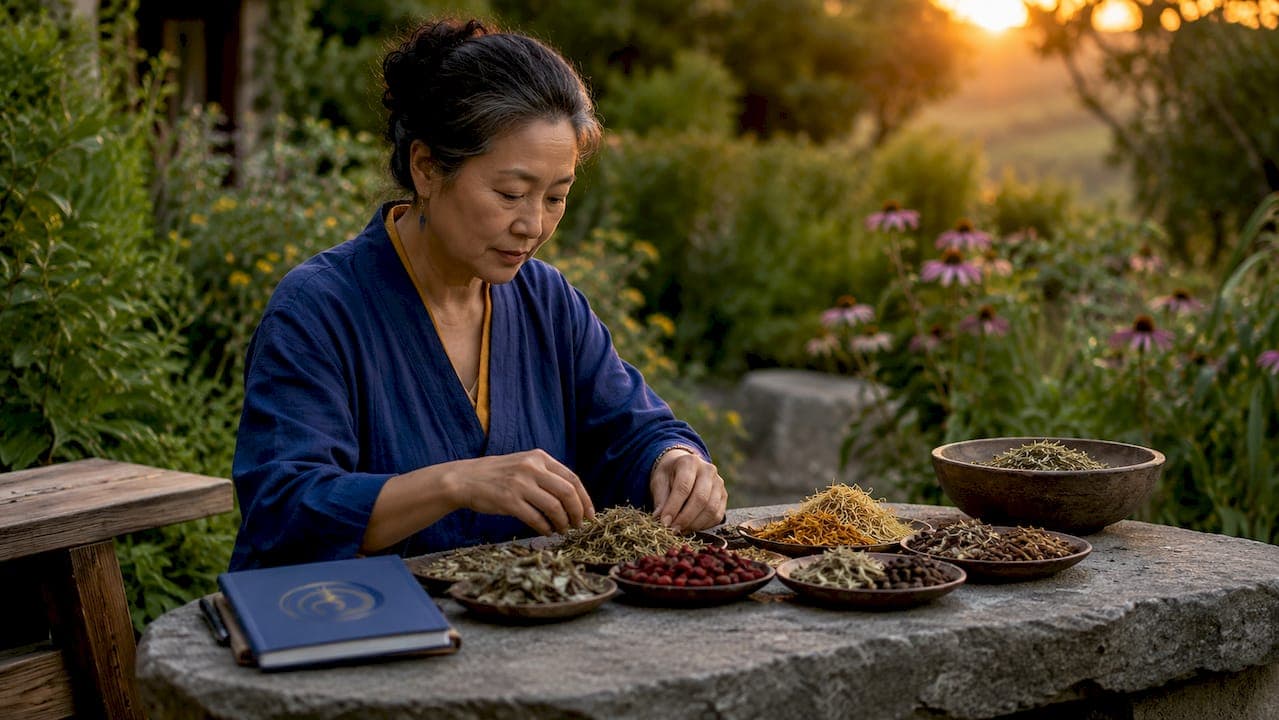
Natural health, defined as the use of traditional, plant-based, and mind-body practices to support the body's own healing capacity, stands in sharp contrast to Western medicine's evidence-based, standardized approach to diagnosing and treating disease. The debate around natural health versus western medicine is not about which system wins. It is about understanding what each does well, where each falls short, and how you can use both wisely. The World Health Organization and Mayo Clinic both recognize that informed, integrated choices produce the best outcomes for most people.
What are the main differences between natural health and Western medicine?
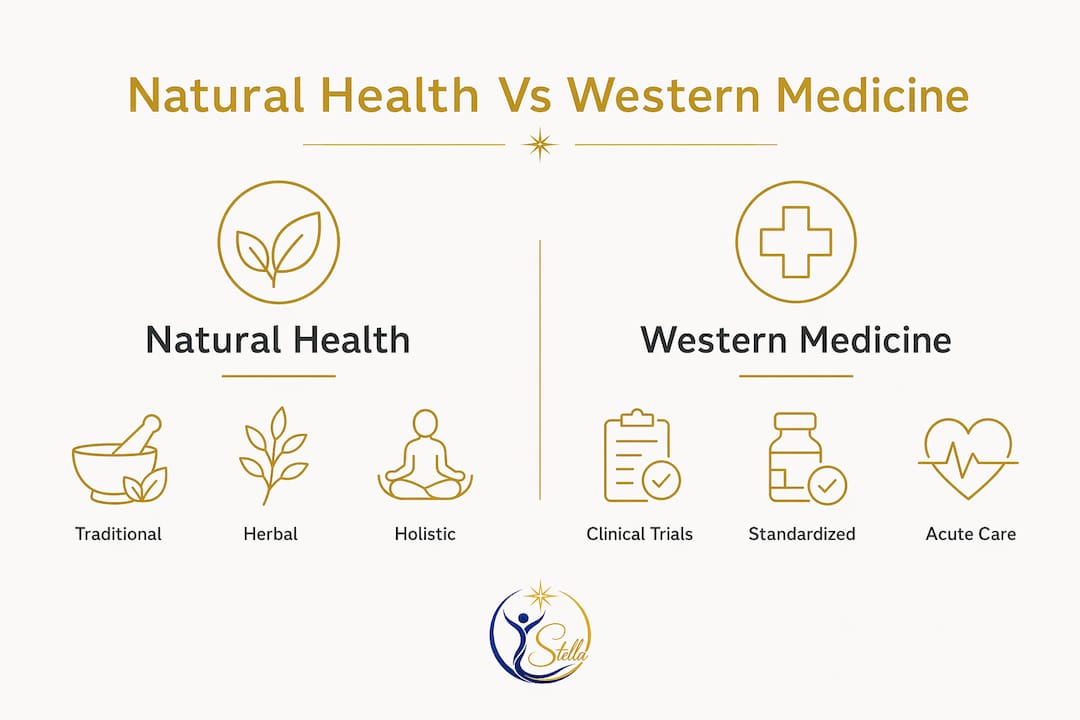
Western medicine is built on clinical trials, standardized protocols, and measurable outcomes. Natural health, which includes traditional Chinese medicine, Ayurveda, herbal remedies, acupuncture, and mind-body practices like qigong, operates from a whole-person philosophy. Where Western medicine asks "What disease does this person have?", natural health asks "What does this person need to come back into balance?"
The practical differences show up clearly when you compare treatment styles side by side.

| Feature | Natural Health | Western Medicine |
|---|---|---|
| Core philosophy | Whole-person, root cause | Symptom-focused, disease-specific |
| Primary tools | Herbs, movement, diet, energy work | Drugs, surgery, diagnostics |
| Regulatory oversight | Variable, often minimal | Rigorous, standardized |
| Best suited for | Chronic conditions, prevention, wellness | Acute emergencies, infections, surgery |
| Speed of effect | Gradual, cumulative | Often rapid and targeted |
The regulatory gap matters more than most people realize. A pharmaceutical drug must pass years of clinical trials before reaching you. An herbal supplement may carry no such requirement. That does not make herbs ineffective. It means you carry more responsibility for evaluating what you take.
- Western medicine excels in acute emergencies and surgical interventions, where speed and precision save lives
- Natural remedies and lifestyle practices tend to shine in chronic disease management, stress reduction, and long-term prevention
- Holistic health treatments address mental, emotional, and physical dimensions together
- Complementary therapies like acupuncture and qigong are increasingly used alongside conventional care
Pro Tip: When evaluating any natural remedy, look for practitioners certified by recognized bodies such as the National Certification Commission for Acupuncture and Oriental Medicine (NCCAOM) or the American Herbalists Guild.
What scientific evidence supports natural health and Western medicine?
The evidence base for Western medicine is deep and well-organized. Randomized controlled trials, peer-reviewed journals, and regulatory bodies like the FDA create a system where treatments are tested before they reach patients. Natural health has a thinner but growing body of research, and some findings are genuinely striking.
Over 80% of the global population uses some form of traditional or herbal medicine. That figure reflects centuries of lived experience, not just modern clinical interest. It also signals that dismissing natural health as fringe ignores the reality of how most humans on earth actually care for themselves.
Clinical research is catching up. A 2026 study published in BMC Complementary Medicine and Therapies found that acupuncture reduced mortality risk by approximately 22% in ischemic heart disease patients across 38,157 participants per group. That is not a small or anecdotal finding. It places acupuncture in the same conversation as many pharmaceutical interventions for cardiovascular support.
A review of 14 randomized controlled trials published in top medical journals over the past five years found integrative healthcare produced measurable benefits for chronic conditions including Parkinson's disease, insomnia, and depression, beyond what conventional care alone achieved. These are conditions where Western medicine often manages symptoms without resolving the underlying pattern. You can explore how this applies to holistic chronic pain relief in practice.
Where natural health evidence falls short
Natural health approaches lack standardized evidence compared to Western medicine, with herbal product composition varying widely between manufacturers and clinical trials showing reproducibility issues. That variability is a real problem. Two bottles labeled "ashwagandha extract" may contain meaningfully different concentrations. Without standardization, even a well-designed study is hard to replicate.
Alternative medicine used in place of conventional care for serious illness carries significant risk, particularly in cancer and infectious disease where proven treatments exist. Delaying or refusing evidence-based treatment for a serious condition in favor of unproven alternatives is the one scenario where the natural health versus Western medicine debate has a clear answer. Western medicine wins in those moments.
For acupuncture specifically, the clinical picture is encouraging. Research on acupuncture for pain management shows consistent results across multiple conditions, making it one of the better-supported natural therapies available today.
How can natural health and Western medicine be integrated effectively?
Integrative medicine is the formal term for combining evidence-based Western treatments with natural and complementary therapies in a coordinated way. It is distinct from alternative medicine, which replaces conventional care. The distinction matters enormously for your safety.
Integrative medicine offers superior value for chronic care and quality of life, while Western medicine remains the right call for acute emergencies. Think of it this way: if you break your arm, you want an emergency room. If you are managing chronic stress, poor sleep, and digestive issues, a blend of qigong, dietary changes, and medical monitoring may serve you far better than medication alone.
Here is how to approach integration thoughtfully:
- Start with a diagnosis. Get a clear medical picture of your condition before adding natural therapies. You cannot make a good decision without knowing what you are working with.
- Tell every provider everything. Coordinated integrative care relies on communication to avoid harmful interactions between herbal supplements and prescription drugs. St. John's Wort, for example, reduces the effectiveness of several common medications including antidepressants and birth control.
- Match the therapy to the condition. Qigong and breathwork are well-suited to stress, anxiety, and digestive wellness. They are not substitutes for antibiotics when you have a bacterial infection.
- Monitor outcomes. Track how you feel over time. Both natural and Western approaches should produce measurable improvement.
Pro Tip: Ask your doctor directly: "Are there any supplements or natural practices that could interact with my current medications?" Most physicians welcome the question and can flag risks you might not anticipate.
The whole-person health model offers a useful framework here. It treats physical symptoms, emotional patterns, and lifestyle factors as connected rather than separate. That perspective is where natural health and Western medicine find their most productive common ground.
Patients report higher satisfaction with integrative care models, with 93% reporting improved patient experience compared to conventional care alone. Feeling heard and involved in your own care is not a soft benefit. It directly improves adherence, which improves outcomes.
What practical steps help you choose the right approach?
Health care is not a binary choice between natural and Western medicine. The best approach depends on your condition, the available evidence, and your personal goals. These practical steps help you navigate that decision with clarity.
Match treatment to condition severity. Chest pain, stroke symptoms, severe infection, and trauma require Western emergency care without delay. Chronic fatigue, mild anxiety, digestive discomfort, and stress-related tension are areas where natural remedies and integrative health practices often produce meaningful relief.
Evaluate practitioner qualifications carefully. A licensed naturopathic doctor (ND) in a regulated state has completed a four-year graduate program. A wellness coach with a weekend certification has not. The title matters less than the training behind it. Look for credentials from recognized institutions and ask about clinical experience.
Respect your cultural context. Traditional Chinese medicine, Ayurveda, and Indigenous healing practices carry deep cultural meaning for many people. That meaning is part of the therapeutic value. You do not have to choose between your heritage and evidence-based care.
Watch for supplement interactions. Unregulated herbal supplements may cause serious, non-obvious interactions with prescription drugs. Ginkgo biloba thins the blood. Valerian root amplifies sedatives. Kava can stress the liver. Disclose everything you take to every provider, every time.
For stress and digestion specifically, the integrative health practices available today are well-documented and accessible. You do not need to choose between calming your nervous system naturally and staying medically informed.
Key takeaways
Integrative medicine, which combines evidence-based Western care with natural therapies like acupuncture and qigong, produces better outcomes for chronic conditions than either approach used alone.
| Point | Details |
|---|---|
| Western medicine leads in emergencies | Acute care, surgery, and infections require evidence-based Western treatment without delay. |
| Natural health supports chronic wellness | Practices like qigong, acupuncture, and herbal medicine show real benefits for chronic and stress-related conditions. |
| Integration requires communication | Always disclose supplements to your doctor to prevent dangerous drug interactions. |
| Evidence quality varies | Natural health research is growing but less standardized; evaluate practitioner credentials carefully. |
| Patient involvement improves outcomes | Integrative models where you feel heard and involved produce measurably higher satisfaction and adherence. |
My honest view after years in natural health practice
I have spent years studying and teaching qigong, and I want to be direct with you: I am not anti-Western medicine. I am pro-informed choice.
What I have seen repeatedly is that people arrive at natural health practices after Western medicine has managed their symptoms but not restored their vitality. They are not in crisis. They are just not well. That gap is real, and it is where practices like qigong, breathwork, and mindful movement do their best work. They awaken your energy, calm your nervous system, and help your body remember what balance feels like.
At the same time, I have seen people delay necessary medical care because they were committed to a natural approach. That is a risk I take seriously. If you have a serious diagnosis, please work with your physician. Natural therapies are most powerful as partners to medical care, not replacements for it.
The most grounded approach I know is this: get clear on what your body needs, find practitioners who respect both traditions, and stay curious. The stress relief without medication path is real and supported by evidence. So is the emergency room. You deserve access to both.
— Stella
Explore qigong as part of your natural health practice
If you are drawn to natural health and want a gentle, evidence-informed place to start, qigong offers one of the most accessible entry points available.
Qigongstar offers online courses in Five Animal Qigong and White Tiger Qigong, both rooted in Chinese Medicine and designed to soothe stress, support digestion, and restore energetic balance. Courses are beginner-friendly, on-demand, and led by Stella, a certified White Tiger Qigong instructor. Whether you are managing chronic tension, IBS, or simply want to nurture your wellbeing naturally, these practices give you a calming, empowering routine you can return to every day. Qigongstar makes it easy to weave natural movement into your broader health strategy, right from home.
FAQ
What is the core difference between natural health and Western medicine?
Western medicine focuses on diagnosing and treating specific diseases using drugs, surgery, and standardized protocols. Natural health uses whole-person approaches like herbs, movement, and energy practices to support the body's own healing.
Is natural health actually effective?
Yes, for many conditions. Acupuncture reduced mortality risk by 22% in ischemic heart disease patients in a 2026 study, and integrative care shows consistent benefits for chronic conditions including insomnia and depression.
Can I use natural remedies and Western medicine together?
Yes, and many people do. The key is full disclosure: always tell your doctor about every supplement you take, since some herbs interact with prescription medications in ways that can be harmful.
What conditions are best suited to natural health approaches?
Chronic stress, mild anxiety, digestive issues, sleep problems, and general wellness maintenance respond well to natural and complementary therapies. Acute emergencies, serious infections, and surgical conditions require Western medical care.
How do I find a qualified natural health practitioner?
Look for credentials from recognized bodies such as the NCCAOM for acupuncture, the American Herbalists Guild for herbal medicine, or a state-licensed naturopathic doctor program. Ask about clinical training hours and experience with your specific condition.