
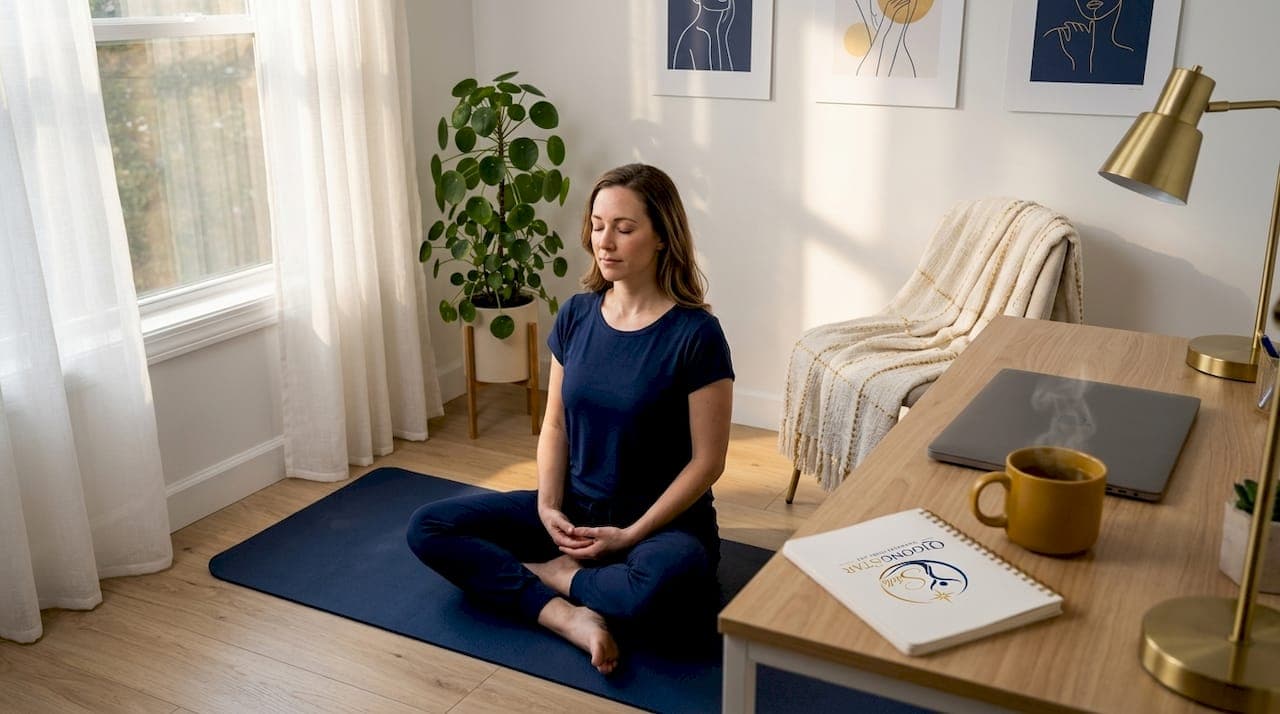
When stress tightens your chest, anxiety keeps you up at night, or digestive discomfort becomes your daily companion, the search for gentle, effective relief can feel overwhelming. The integrative health practices list you'll find here is not a random collection of wellness trends. It's a structured, evidence-aware guide organized by clear criteria to help you make confident, informed choices. Whether you're drawn to breath-based movement, meditation, or targeted psychological therapies, this article will help you understand what each practice offers, how strong the evidence is, and how to weave these natural health practices into your life safely.
Table of Contents
- How to evaluate integrative health practices for stress, anxiety, and digestion
- Nervous system down-regulation methods: meditation and relaxation techniques
- Mind-body movement options: qigong, tai chi, and yoga
- Condition-specific psychological therapies: CBT and gut-directed hypnotherapy for IBS and anxiety
- Comparing integrative health practices: a summary table and decision guide
- Why an evidence-aware but flexible integrative approach works best for you
- Explore guided qigong courses to support your holistic wellness journey
- Frequently asked questions
Key Takeaways
| Point | Details |
|---|---|
| Use evidence criteria | Select integrative practices based on scientific evidence strength and relevance to your specific health concerns. |
| Mindfulness equals medication | An 8-week mindfulness meditation program can reduce anxiety symptoms as effectively as certain medications. |
| Qigong has moderate support | Tai chi and qigong show moderate to high evidence benefits for multiple conditions including stress and wellness. |
| CBT and hypnotherapy for IBS | For IBS-related anxiety and stress, cognitive behavioral therapy and gut-directed hypnotherapy have the strongest evidence. |
| Consistency matters more than duration | Relaxation practices are beneficial even with as little as 1–2 minutes daily if done consistently. |
How to evaluate integrative health practices for stress, anxiety, and digestion
Before exploring any integrative health practices list, you need a reliable filter. Not every practice marketed as "holistic" or "natural" carries the same weight of evidence, and not every method suits every condition or person.
Here are the key criteria to apply:
- Evidence quality: Look for practices backed by clinical trials or systematic reviews, not just testimonials. Some complementary health methods have decades of research behind them; others are still emerging.
- Complementary framing: Integrative wellness strategies work best alongside conventional care, not instead of it. Discussing any new practice with your doctor ensures your providers have the full picture and can flag any interactions with current treatments.
- Condition specificity: A practice that calms general stress may not address IBS-related anxiety. Match the practice to your primary concern.
- Feasibility: A 60-minute daily ritual sounds wonderful but rarely survives a busy week. Prioritize practices you can realistically sustain.
Pro Tip: Before starting any new integrative practice, write down your three main health goals (for example, calmer digestion, better sleep, less daily anxiety) and use them as a filter. If a practice doesn't clearly address at least one goal, it's not the right starting point for you.
With clear criteria established, let's explore key integrative practices by category.
Nervous system down-regulation methods: meditation and relaxation techniques
When your nervous system is stuck in overdrive, everything suffers: your mood, your sleep, and especially your gut. This category of holistic healing techniques works directly on the stress response, signaling safety to your body so it can begin to heal.
Mindfulness meditation is one of the most studied natural health practices for anxiety. An 8-week mindfulness program with 30 to 40 minutes of daily guided practice has been shown to reduce anxiety symptoms as effectively as medication, without the side effects. That's a remarkable finding, and it holds real hope for anyone who prefers a gentler path.
Progressive muscle relaxation is another accessible option. You systematically tense and release muscle groups, training your body to recognize and release held tension. Short sessions of 5 to 10 minutes once or twice daily are effective, and the practice still delivers benefits even if you can only manage one or two minutes on a hectic day.
Here's a simple way to begin a mindfulness session:
- Sit comfortably with your eyes closed or softly focused downward.
- Bring your attention to the natural rhythm of your breath.
- When your mind wanders (and it will), gently return your awareness to the present moment without judgment.
- Start with five minutes and build gradually over weeks.
Key benefits of regular meditation and relaxation practice include:
- Reduced cortisol (the body's primary stress hormone)
- Improved sleep quality
- Calmer gut function through the gut-brain connection
- Greater emotional resilience over time
Pro Tip: Pair your meditation with a consistent cue, such as a specific chair, a cup of herbal tea, or a particular time of day. Consistency of context helps your nervous system drop into calm faster, even before you begin.
Next, let's review gentle mind-body movement practices that combine physical and mental benefits.
Mind-body movement options: qigong, tai chi, and yoga
Gentle movement is one of the most underrated integrative wellness strategies. Unlike high-intensity exercise, which can actually spike cortisol when you're already stressed, practices like qigong, tai chi, and yoga invite your body to move with awareness, breath, and intention.
Among 25 systematic reviews, 16 showed moderate certainty and 2 showed high certainty of benefit from tai chi and qigong across a range of adult health conditions. That's a meaningful body of evidence for practices that feel as gentle as a slow walk in the morning air.
Qigong is rooted in Chinese Medicine and combines slow, flowing movements with breath regulation and focused intention. It's particularly well-suited for people dealing with stress, anxiety, and digestive issues because it works directly with the body's energy pathways (called qi, pronounced "chee") to restore balance. You can explore qigong's specific benefits for IBS and gut health, including how certain movement sequences stimulate digestive function and calm the enteric nervous system.

Tai chi shares qigong's roots and similarly emphasizes slow, deliberate movement and breath. It has a particularly strong evidence base for balance, cardiovascular health, and mental well-being.
Yoga offers flexibility, breath awareness, and stress reduction, though research on yoga for IBS shows mixed results. Some individuals find it deeply helpful; others see limited improvement for digestive symptoms specifically. It remains a valuable option for general stress relief.
| Practice | Evidence strength | Best for | Typical session | Beginner-friendly? |
|---|---|---|---|---|
| Qigong | Moderate to high | Stress, anxiety, digestion | 20 to 45 minutes | Yes |
| Tai chi | Moderate to high | Stress, balance, mental well-being | 30 to 60 minutes | Yes |
| Yoga | Moderate (mixed for IBS) | Flexibility, general stress relief | 30 to 60 minutes | Varies by style |
Programs like VA's Whole Health integrative care include tai chi, qigong, and yoga as core offerings, which speaks to their growing recognition within mainstream healthcare settings.
Pro Tip: If you're new to qigong, start with a structured style like White Tiger Qigong or 5 Animal Qigong. These systems give you a clear sequence to follow, which removes the guesswork and helps you build a consistent routine from day one.
After exploring movement options, let's look at targeted psychological therapies for IBS-associated anxiety.
Condition-specific psychological therapies: CBT and gut-directed hypnotherapy for IBS and anxiety
Some conditions need more than movement and meditation. If your anxiety is closely tied to digestive symptoms, or if IBS is affecting your quality of life, two specific therapies rise clearly above the rest.
Cognitive behavioral therapy (CBT) teaches you to recognize and gently reshape the thought patterns and behaviors that amplify IBS symptoms and anxiety. It's not about positive thinking. It's about building practical coping skills so that a flare-up doesn't spiral into dread, and dread doesn't trigger another flare-up. CBT and gut-directed hypnotherapy are considered the strongest evidence-backed approaches for IBS-related emotional health.
Gut-directed hypnotherapy uses guided relaxation and focused suggestion to shift how your subconscious mind interprets gut sensations. Over a course of sessions, it can reduce the hypersensitivity that makes ordinary digestive activity feel alarming. Many people are surprised to find it deeply calming, not clinical at all.
Key advantages of both therapies:
- Both are first-line treatments for IBS emotional burden, with robust clinical backing
- Available in-person or via apps, making access easier than ever
- Address the root psychological patterns, not just surface symptoms
- Can be combined with movement practices like qigong for layered support
Pro Tip: If in-person therapy feels out of reach, look for app-based CBT programs specifically designed for IBS. Several have been validated in clinical trials and can be a strong starting point while you explore other integrative options.
With a grasp on major integrative options, let's now compare them and offer guidance on choosing what suits you best.
Comparing integrative health practices: a summary table and decision guide
Here's a clear side-by-side view of the main practices covered in this integrative health practices list, organized by evidence strength and condition focus.
| Practice | Evidence certainty | Primary benefit | Best condition fit | Time commitment |
|---|---|---|---|---|
| Mindfulness meditation | High (anxiety) | Anxiety and stress relief | Anxiety, general stress | 5 to 40 minutes daily |
| Progressive muscle relaxation | Moderate | Tension release, sleep | Stress, physical tension | 5 to 10 minutes daily |
| Qigong | Moderate to high | Energy, digestion, calm | Stress, anxiety, digestion | 20 to 45 minutes daily |
| Tai chi | Moderate to high | Balance, mental well-being | Stress, aging, mobility | 30 to 60 minutes daily |
| Yoga | Moderate (mixed for IBS) | Flexibility, stress | General stress, flexibility | 30 to 60 minutes daily |
| CBT | High | Thought pattern change | IBS anxiety, general anxiety | Weekly sessions |
| Gut-directed hypnotherapy | High | Gut sensitivity reduction | IBS, gut-brain stress | Weekly sessions |
The evidence for tai chi and qigong continues to grow, while meditation's effectiveness for anxiety is now well-established in clinical research.
How to choose the right practice for you:
- Identify your primary concern first: Is it general stress, anxiety, or digestive symptoms? This narrows your options quickly.
- Assess your time and energy. A five-minute breathing practice done daily beats a 60-minute class you attend once a month.
- Consider your learning style. Some people thrive with structured courses; others prefer solo practice with a guide or app.
- Talk to your healthcare provider. Especially if you're managing a diagnosed condition, a brief conversation can prevent complications and open doors to referrals.
For a broader look at integrative therapies and their applications, exploring a range of mind-body approaches can help you build a layered, personalized wellness routine.
Why an evidence-aware but flexible integrative approach works best for you
Here's something the wellness industry rarely admits: the "best" integrative practice is not the one with the most research behind it. It's the one you'll actually do, consistently, in a way that fits your life.
Evidence matters. Knowing that separating practices into nervous-system down-regulation, mind-body movements, and condition-targeted therapies helps people make more informed choices is genuinely useful. But evidence alone doesn't tell you whether qigong will feel like coming home for your body, or whether five minutes of progressive muscle relaxation before bed will finally let you sleep through the night.
The people who benefit most from integrative practices are not the ones who chase the highest-evidence option. They're the ones who find something that resonates, start small, and stay consistent. A two-minute breathing practice done every morning for six months will change you more than a perfect 40-minute routine you abandon after two weeks.
There's also real wisdom in layering approaches. You might use qigong to awaken your energy and soothe your gut in the morning, and then use a brief mindfulness check-in at midday to melt away accumulated tension. Neither practice needs to be dramatic to be effective. Explore the full range of mind-body therapies available to you, and build your personal toolkit gradually.
Finally, keep your healthcare providers in the loop. Integrative health works best as a conversation, not a secret. When your doctor knows what you're practicing, they can support you more fully and help you track real progress over time.
Explore guided qigong courses to support your holistic wellness journey
If qigong has caught your attention as a gentle, evidence-supported practice for stress, anxiety, and digestive health, the next step is finding a structured, expert-led path to begin.
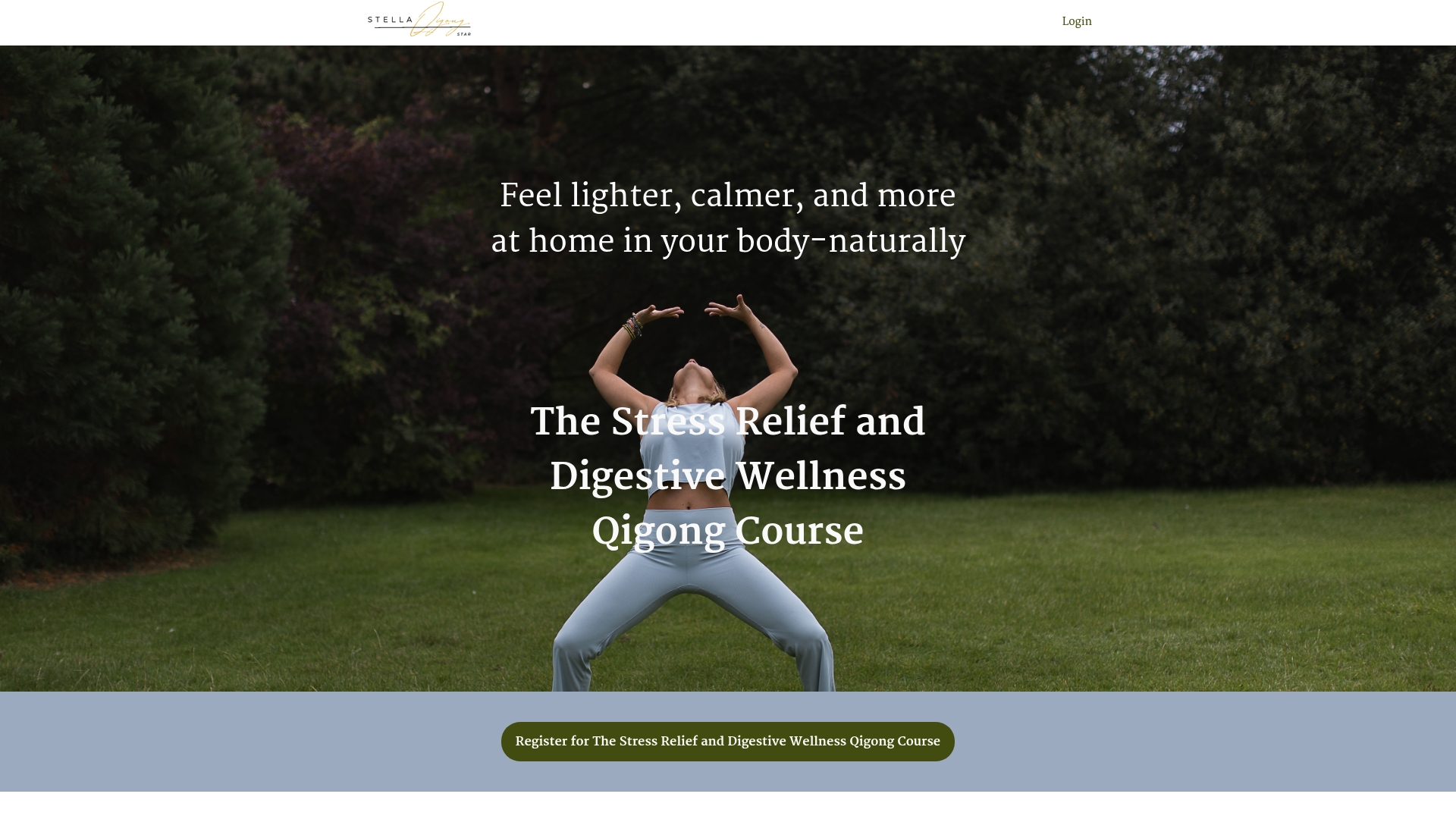
At QigongStar.com, you'll find professionally designed courses rooted in authentic Chinese Medicine traditions. The 5 Animal Qigong course draws on five elemental movement archetypes to release deep-held tension and restore vitality, while the White Tiger Qigong course offers a powerful yet accessible system for building energetic balance and physical resilience. For those specifically seeking relief from stress and digestive discomfort, the qigong for stress relief and digestive wellness course provides a focused, beginner-friendly routine you can practice from home at your own pace. All courses are taught by certified instructors, so you can trust the guidance you receive.
Frequently asked questions
What is the difference between complementary and integrative health practices?
Complementary medicine is used alongside mainstream medical care, while integrative medicine formally combines both types of care within a coordinated treatment setting. The distinction matters because integrative care involves active collaboration between conventional and holistic providers.
Are meditation and mindfulness effective for anxiety?
Yes. An 8-week mindfulness program with daily practice was shown to reduce anxiety symptoms as effectively as escitalopram, a commonly prescribed anxiety medication, in a clinical trial. Consistency of practice is the key factor in achieving these results.
Is qigong supported by scientific evidence for health benefits?
Research reviews show that tai chi and qigong benefit various adult health conditions with moderate to high certainty across 18 of 25 systematic reviews. Evidence for some specific conditions is still developing, but the overall picture is encouraging.
What integrative therapies are recommended for IBS-related anxiety and stress?
CBT and gut-directed hypnotherapy are considered first-line treatments for the emotional burden of IBS, with the strongest clinical evidence of any integrative approach for this condition. Both can be accessed in-person or through validated digital programs.
How long should I practice relaxation techniques daily for benefits?
Practicing for 5 to 10 minutes once or twice daily is ideal, but even 1 to 2 minutes daily provides real benefits when practiced consistently. Starting small and building gradually is far more effective than aiming for long sessions you can't sustain.