
Most people think wellness is something you reach. A goal weight, a clean diet streak, a stress-free week. But that framing sets you up to feel like a failure the moment life gets complicated. A sustainable wellness practice is something entirely different. It is a dynamic, ongoing commitment to consistent habits that support your physical, mental, emotional, and environmental health over the long term. Not perfection. Not a finish line. A living rhythm you return to, again and again, no matter what disrupts it.
Table of Contents
- Key takeaways
- What is sustainable wellness practice, really?
- Daily habits that embody sustainable wellness
- Your wellness and the environment are connected
- Common challenges and how to move through them
- My honest take on sustainable wellness
- Nurture your wellness with guided qigong
- FAQ
Key takeaways
| Point | Details |
|---|---|
| Wellness is dynamic, not static | True wellness is a continuous practice requiring resilience, not a perfect state you maintain forever. |
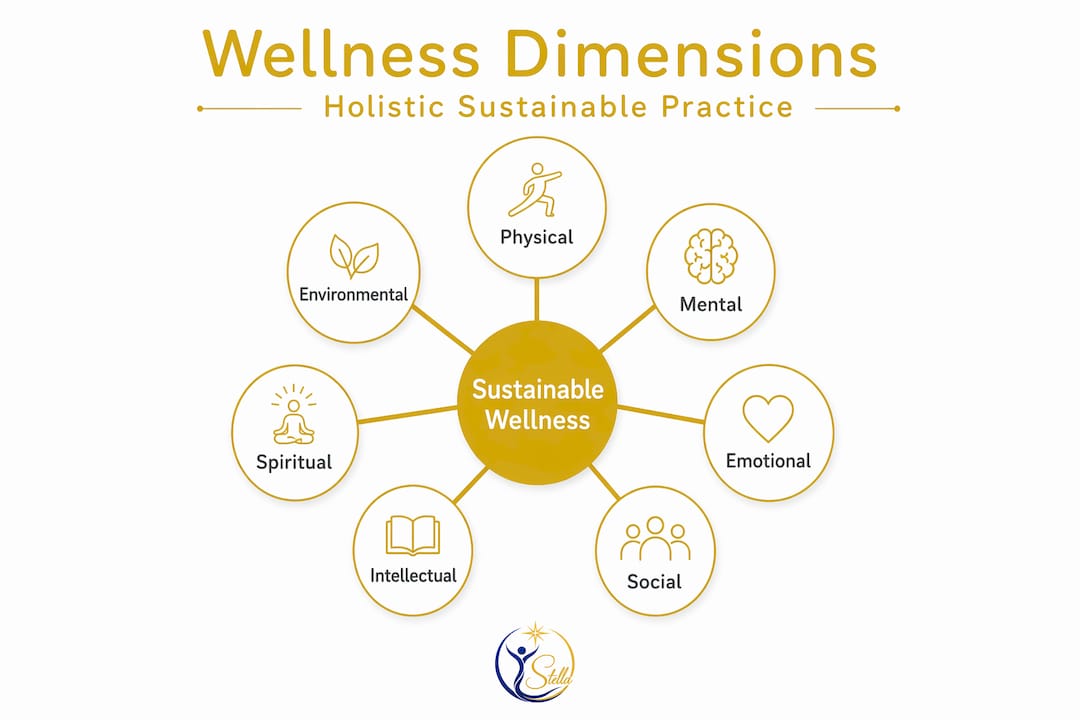
| Seven dimensions shape your health | Sustainable wellness spans physical, mental, emotional, social, intellectual, spiritual, and environmental health. |
| Small habits outperform quick fixes | Consistent micro-habits compound over time and cause far less burnout than intense, short-term programs. |
| Personal and planetary health connect | Eco-friendly choices reduce toxic exposures and strengthen both your resilience and the environment. |
| Self-compassion is a wellness tool | Recovering from setbacks with kindness, not judgment, is what keeps a wellness practice sustainable. |
What is sustainable wellness practice, really?
Sustainable wellness is a holistic, long-term approach that prioritizes consistent, realistic habits across multiple dimensions of health. It moves well beyond the absence of illness. It asks how you are functioning, feeling, connecting, and growing every single day.
Most wellness frameworks acknowledge seven interconnected dimensions. When you understand them, the concept clicks into place.
| Dimension | What it means | Example of a sustainable practice |
|---|---|---|
| Physical | Movement, nutrition, sleep, and rest | Daily walks, regular meals, 7-9 hours of sleep |
| Mental | Cognitive clarity and psychological resilience | Mindfulness, therapy, journaling |
| Emotional | Awareness and healthy expression of feelings | Breathwork, self-compassion practices |
| Social | Meaningful relationships and community belonging | Regular time with supportive people |
| Intellectual | Curiosity, learning, and creative engagement | Reading, learning new skills |
| Spiritual | Sense of purpose, values, and inner connection | Meditation, qigong, time in nature |
| Environmental | Your relationship with the spaces and world around you | Reducing toxins, spending time outdoors |
True wellness requires balancing all seven dimensions. Addressing only your physical health, for example, while ignoring social connection or mental resilience limits how far you can actually grow.
The goal is not to perfect every dimension at once. That would be exhausting. The goal is awareness. When one area slips, you gently restore balance rather than spiraling into guilt. Think of it as tending a garden. You water what needs it most that week, knowing the whole garden will flourish over time.
- Neglecting emotional health often shows up as physical tension or digestive issues
- Ignoring intellectual engagement can dull mental sharpness and increase anxiety
- Disconnecting from community raises stress hormones and shortens lifespan
Understanding this holistic wellness framework helps you stop treating symptoms in isolation and start nurturing the whole person you actually are.
Daily habits that embody sustainable wellness
The most powerful sustainable wellness concepts are not dramatic. They are small, consistent, and woven into the texture of your day. Small habit shifts embedded naturally into your routine lead to lasting wellness far more reliably than extreme programs that demand everything at once.
Here is what evidence-backed daily practice actually looks like:
- Start with five minutes of mindful breathing. Brief daily mindfulness as short as five to ten minutes measurably alters brain structures that regulate stress and emotional response. You do not need an hour on a meditation cushion.
- Move your body gently every day. Gentle movement like qigong, walking, or stretching keeps your energy flowing and your nervous system calm. Consistency matters far more than intensity.
- Choose nourishing, whole foods most of the time. Plant-rich meals support gut health, reduce inflammation, and lighten your environmental footprint simultaneously.
- Protect your sleep like a non-negotiable appointment. Sleep is when your body repairs, your brain consolidates learning, and your energy regenerates.
- Spend intentional time outdoors. Natural light and green spaces calm your nervous system and reconnect you to the environmental dimension of your wellness.
- Nurture at least one meaningful connection each day. A text, a conversation, a shared meal. Social bonds are as protective as diet and exercise.
- Reflect briefly each evening. A few sentences in a journal or a moment of quiet review helps you notice what restored you and what drained you.
Mindfulness-based stress reduction (MBSR) has been validated across more than 200 randomized controlled trials, showing effects on anxiety and depression comparable to medication for mild to moderate symptoms. That is a remarkable return on ten quiet minutes each morning.
Pro Tip: If building multiple habits at once feels overwhelming, choose one dimension of wellness and one five-minute daily practice. Anchor it to something you already do, like your morning tea. Give it 30 days before adding anything new. Progress compounds when you let it breathe.
Exploring mind-body practices at home is one of the gentlest ways to begin weaving these habits into your life without overhauling everything at once.
Your wellness and the environment are connected
One of the most overlooked sustainable wellness concepts is this: your personal health and the health of your environment are not separate conversations. They feed each other. Sustainable wellness involves a reciprocal relationship between individual well-being and the environment. When you nurture one, you strengthen the other.
This idea is beautifully expressed in the Japanese Satoyama philosophy, which emphasizes conscious, ethical choices that support both ecosystem resilience and personal vitality. When you choose organic produce, you reduce your pesticide exposure and support soil health. When you walk or cycle instead of drive, you clear your mind and reduce air pollution. These choices are not sacrifices. They are acts of self-care that ripple outward.
"True wellness is a reciprocal relationship with the environment, benefiting both personal and planetary health." — Eco-Holistic Living
Here is how eco-friendly wellness practices serve both you and the planet:
- Natural personal care products reduce your skin and hormonal toxic load while keeping synthetic chemicals out of waterways
- Plant-based nutrition lowers your chronic disease risk and significantly reduces your carbon footprint
- Time in green spaces calms your cortisol levels and strengthens biodiversity appreciation
- Reducing plastic and waste creates cleaner living environments and quieter mental spaces
- Active transport like walking or cycling builds cardiovascular fitness without a gym membership or emissions
The importance of sustainable living becomes clear when you realize that the environment you inhabit directly shapes your stress levels, immune function, and even your mood. Clean air, natural light, and green spaces are not luxuries. They are wellness infrastructure.
Learning about integrative health practices that weave personal and environmental wellness together can open doors you may not have considered before.
Common challenges and how to move through them
Knowing how to achieve wellness sustainably is one thing. Actually doing it when life is busy, stressful, or unpredictable is another. Most people who abandon their wellness practices do not lack motivation. They lack a realistic relationship with the process.
Wellness is a continuous practice requiring resilience to recover when life disrupts balance. It is not a fixed state of perfection. The moment you understand that, the pressure lifts considerably.
Here are the most common pitfalls and how to gently navigate them:
- Chasing perfection: Striving for a flawless routine is one of the fastest routes to burnout. Sustainable wellness is about rhythm and restoration, not an unblemished record.
- Doing too much too fast: Extreme or rapid changes often collapse within weeks. Slow, steady integration is what lasts.
- Ignoring social support: Wellness practiced in isolation is harder to sustain. Sharing your intentions with even one supportive person dramatically increases follow-through.
- Measuring only outcomes, not process: Scale numbers and energy levels fluctuate. Track your consistency, your mood, and your sleep quality instead.
- Misaligning habits with your values: A wellness routine that does not reflect who you actually are will always feel like a chore. Start with what genuinely resonates.
Pro Tip: When you miss a day or a week, treat it as information, not failure. Ask yourself what made the habit difficult. Adjust the practice to fit your life rather than forcing your life to fit the practice. Self-compassion is not weakness. It is the foundation that keeps everything else standing.
Wellness programs succeed when wellness is embedded as a genuine priority rather than an optional extra. The same principle applies to your personal practice. Make it part of your identity, not just your schedule.
My honest take on sustainable wellness
I have worked with hundreds of people who came to qigong and holistic movement after burning out on other approaches. The story is almost always the same. They pushed hard, saw quick results, then collapsed when life got in the way. They blamed themselves, lost trust in their own discipline, and started over from scratch.
What I have learned is that sustainable wellness is not about willpower. It is about design. When you build practices that are gentle enough to survive a bad week, they are the ones you actually keep. A five-minute morning qigong flow that you do every day for a year will transform you far more than an intense 30-day program you abandon in week three.
I also think the environmental dimension is profoundly underrated. Every time I take my practice outdoors, connect with natural surroundings, or choose foods grown without chemicals, I feel the difference in my body and my energy. Wellness practices for sustainability are not a compromise. They are the most nourishing version of the practice.
The benefits of wellness practices compound quietly and reliably when you stop chasing dramatic results. Consistent short habits, like a daily five-minute mindfulness routine, improve cortisol regulation and emotional resilience far more effectively than sporadic intense efforts. That truth is both humbling and liberating.
Give yourself permission to build slowly. The ripple effects reach further than you expect.
— Stella
Nurture your wellness with guided qigong
If you are ready to put sustainable wellness into gentle, guided practice, Qigongstar is here to support you. The online courses at Qigongstar are designed specifically for people who want a calm, consistent movement practice that relieves stress, soothes digestive discomfort, and builds lasting vitality from the inside out.
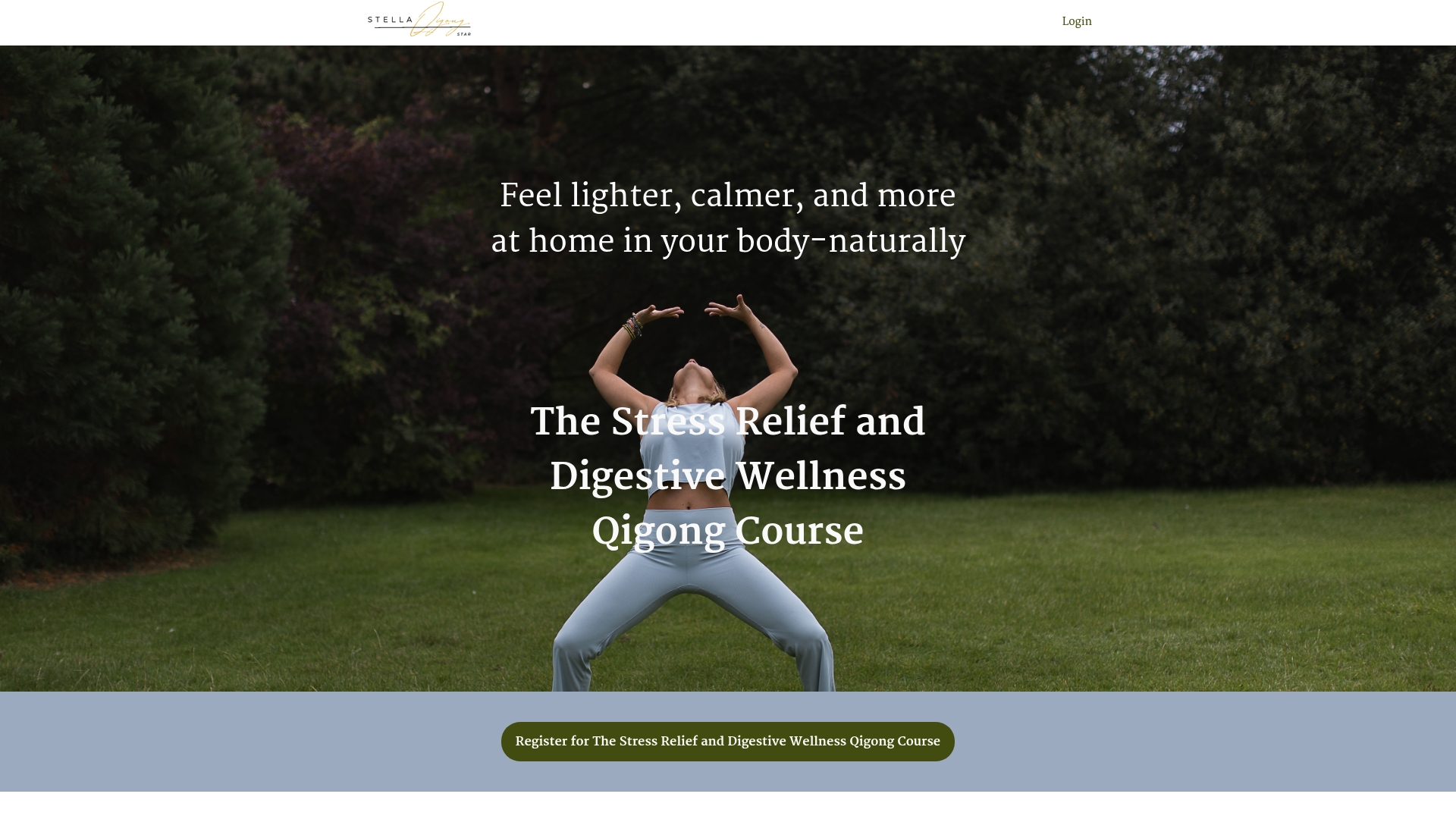
Whether you are drawn to the flowing sequences of Five Animal Qigong or the mindful energy work of White Tiger Qigong, each course integrates breath, movement, and awareness in ways that support every dimension of your health. You can explore the full range of online qigong courses at your own pace, from wherever you are in the world. This is sustainable wellness, made accessible and deeply real.
FAQ
What is a sustainable wellness practice?
A sustainable wellness practice is a consistent, realistic set of habits that support your physical, mental, emotional, and environmental health over the long term. It focuses on balance and resilience rather than perfection or rapid transformation.
How many dimensions does sustainable wellness include?
Sustainable wellness spans seven dimensions: physical, mental, emotional, social, intellectual, spiritual, and environmental. Neglecting any one dimension limits your overall resilience and well-being.
How do eco-friendly choices support personal wellness?
Eco-friendly wellness practices like choosing organic foods, spending time in nature, and reducing toxic products lower your stress hormones and reduce exposure to harmful chemicals while also benefiting the environment.
How long does it take to build sustainable wellness habits?
Small habit shifts take weeks to months to embed naturally. Slow, steady integration over time consistently outperforms rapid, intense changes that often lead to burnout within a few weeks.
Can mindfulness really make a measurable difference?
Yes. Daily mindfulness practice as brief as five to ten minutes has been shown to alter brain structures, reduce cortisol, and improve emotional regulation, with benefits comparable to medication for mild anxiety and depression.