
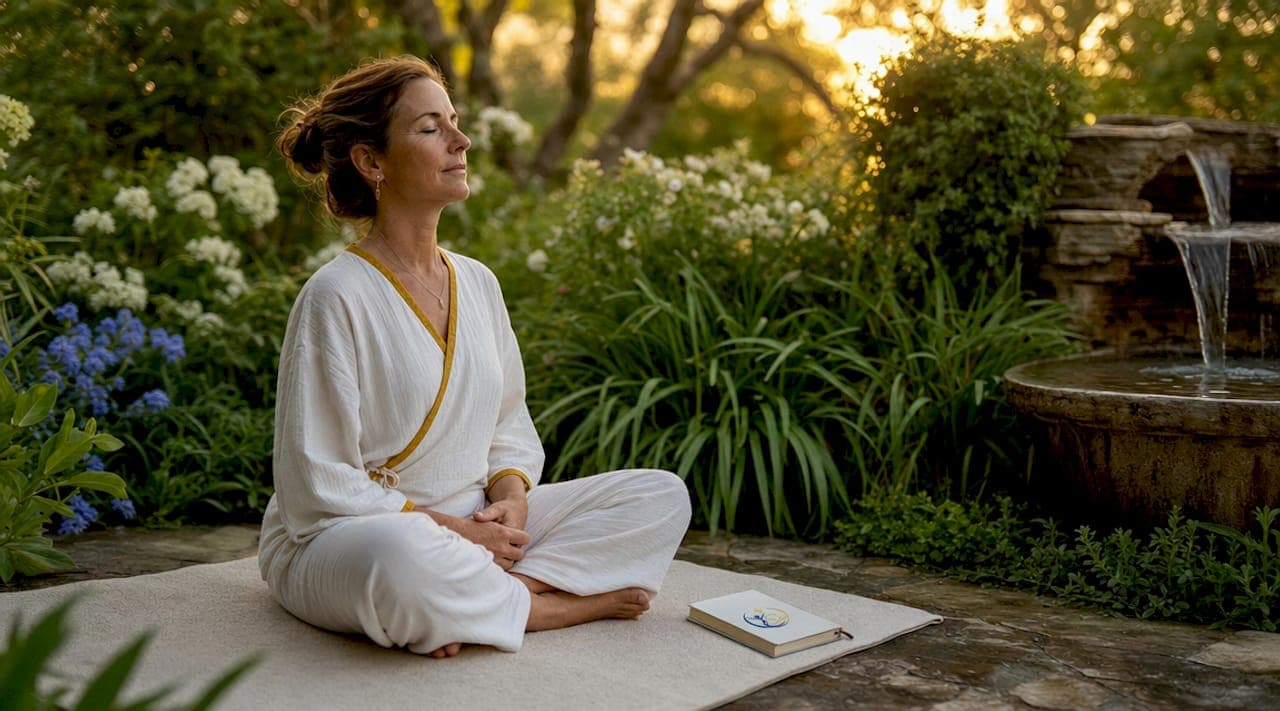
Stress relief without medication is achievable through targeted, natural methods that calm your nervous system, shift your body out of fight-or-flight mode, and build lasting resilience. This stress relief without medication guide draws on evidence from the CDC, Harvard Health, and the Cleveland Clinic to give you a clear, practical path forward. You do not need long sessions or expensive tools. Rhythmic movement, mindful breathing, journaling, and consistent sleep habits are proven stress management techniques that work at the biological level. The goal here is simple: give you a step-by-step framework you can start today.
Which natural techniques work best for stress relief without medication?
Rhythmic, repetitive movement with focused breathing interrupts the stress response and activates the relaxation response. Walking, tai chi, and yoga are the most studied forms. Each one pairs physical rhythm with breath awareness, which is exactly what your nervous system needs to shift gears.
Regular aerobic exercise also limits stress hormone release and stimulates endorphins. That means your mood improves and your body becomes more resilient to future stressors over time.
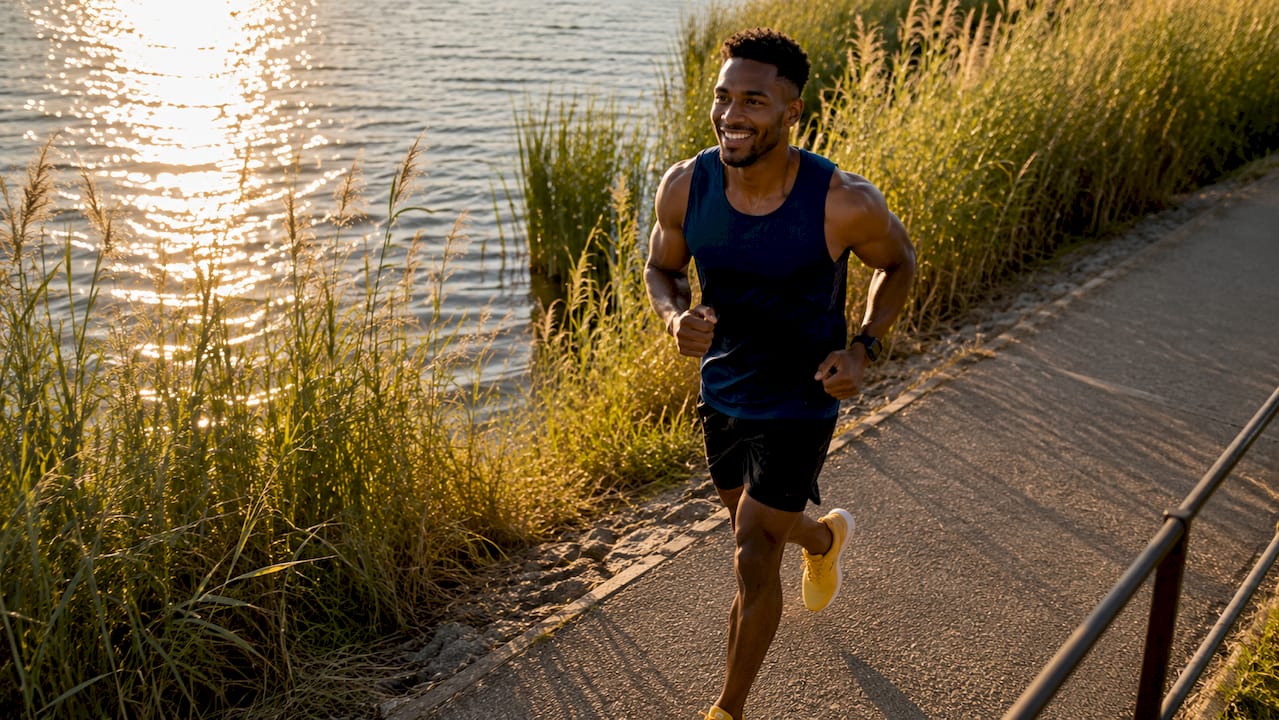
Breathing techniques are equally powerful. Slow, gentle breathwork lowers your heart rate and signals safety to your brain. Research published in BMJ Medicine found that breathing control and meditation can reduce systolic blood pressure by approximately 6–7 mm Hg in the short term. That is a measurable physiological shift from a practice that costs nothing.
Here are natural stress relief techniques you can start immediately:
- Slow diaphragmatic breathing: Inhale for 4 counts, exhale for 6. Repeat for 5 minutes.
- 20-minute walk: Even a short walk outdoors meaningfully reduces stress levels without requiring gym access.
- Mindfulness meditation: Sit quietly and observe your breath for 5–10 minutes. The Cleveland Clinic confirms meditation need not be long or complicated to be effective.
- Journaling: Write three sentences about what is stressing you and three about what you can control. This breaks the mental loop that amplifies anxiety.
- Gentle yoga or tai chi: Both combine movement, breath, and focused attention for a triple calming effect.
Pro Tip: Pick just one technique from this list and practice it at the same time every day for two weeks before adding another. Consistency beats variety every time.
How do you build a personalized daily routine for natural stress relief?
The biggest mistake people make is trying to overhaul everything at once. The CDC advises selecting one movement and one breathwork tool for daily practice and building gradually. That approach works because habits form through repetition, not intensity.
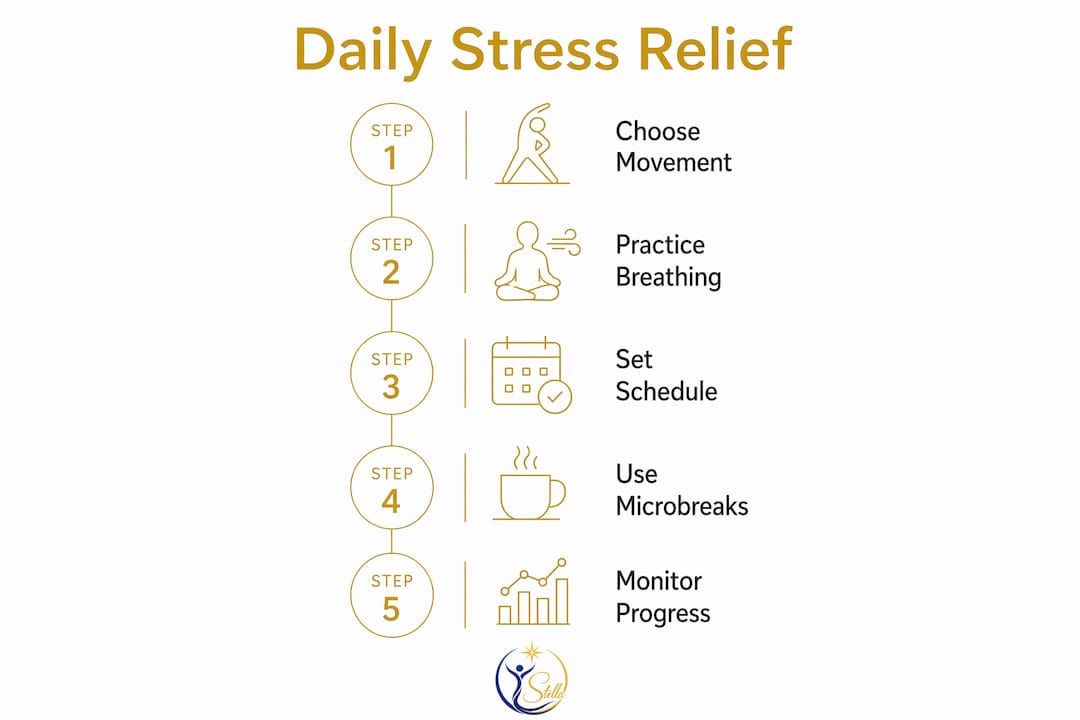
A practical daily routine pairs one movement-based practice with one in-the-moment regulation tool. Think of a 20-minute walk in the morning combined with slow breathing during your lunch break. These two practices address both the physical and cognitive sides of stress.
Here is a step-by-step framework to build your routine:
- Identify your peak stress window. Is it mornings, afternoons, or evenings? Schedule your main practice 30 minutes before that window.
- Choose one movement practice. Walking, qigong, yoga, or tai chi all qualify. Aim for 20 minutes daily.
- Choose one in-the-moment tool. Slow breathing, a body scan, or a 5-minute journaling session works well.
- Set a fixed time. Attach your practice to an existing habit, such as after your morning coffee or before dinner.
- Track for two weeks. A simple checkmark on a calendar is enough. Seeing your streak builds motivation.
- Add a second technique only after the first feels automatic. Patience here pays off in long-term results.
The table below summarizes the most practical techniques, their recommended duration, and their primary benefits:
| Technique | Daily Duration | Primary Benefit |
|---|---|---|
| Brisk walking | 20 minutes | Lowers cortisol, boosts mood |
| Slow diaphragmatic breathing | 5–10 minutes | Calms nervous system quickly |
| Mindfulness meditation | 5–10 minutes | Reduces cognitive stress loops |
| Journaling | 5 minutes | Breaks stress amplification cycles |
| Gentle yoga or qigong | 20–30 minutes | Combines movement, breath, and focus |
Pro Tip: Use microbreaks throughout your workday. A 5-minute breathing pause every 90 minutes shifts stress quickly and prevents tension from building to a peak.
One safety note: avoid fast or forceful breathing techniques if you experience heightened anxiety or panic. Slow, gentle protocols are the right starting point for self-managed practice.
What are the most common challenges with natural stress relief?
The most common obstacle is starting too many new techniques at once. When you scatter your energy across five practices, none of them become automatic. You feel busy but not better. The solution is deliberate narrowing: pick two techniques and commit to them for at least 30 days before expanding.
Unrealistic expectations also derail progress. Natural stress management techniques do not eliminate stress overnight. They recalibrate your nervous system over weeks. Expect to feel subtle shifts in the first week, such as sleeping slightly better or feeling less reactive, before you notice bigger changes.
Breathwork deserves special attention here. A systematic review in Frontiers in Psychiatry found that fast breath techniques can trigger or worsen symptoms in individuals with PTSD or anxiety disorders. Slower, gentler protocols are safer for self-managed practice.
Safety note: If your stress symptoms are worsening, you are experiencing panic attacks, or you feel unable to function day to day, please consult a licensed mental health professional. Natural techniques complement professional care. They do not replace it when clinical support is needed.
Adapting techniques to your personal triggers also matters. If social situations are your main stressor, journaling and breathing work better in the moment than a gym session. If work pressure builds physically in your shoulders and chest, movement-based practices like holistic movement therapy will give you faster relief. Match the tool to the trigger.
Inconsistent practice is the third major barrier. Life gets busy and routines slip. The fix is not willpower. It is reducing friction. Keep your journal on your desk. Set a phone reminder for your breathing break. Make the practice so easy to start that skipping it takes more effort than doing it.
How do lifestyle habits support lasting stress relief?
Lifestyle habits are the foundation that makes every other technique more effective. Without them, even the best breathing practice or movement routine will struggle to hold.
Here are the lifestyle factors with the strongest evidence for non-medical anxiety solutions:
- Sleep 7–9 hours per night. Sleep is the single most powerful recovery tool your body has. Cutting sleep short raises cortisol and makes every stressor feel larger. Balanced sleep hygiene is a cornerstone of any stress management plan.
- Eat whole foods and stay hydrated. Blood sugar swings from processed food amplify anxiety. A diet rich in vegetables, lean protein, and healthy fats keeps your mood stable throughout the day.
- Limit caffeine and alcohol. Both disrupt sleep and increase baseline anxiety. Cutting back even slightly can produce noticeable calm within a week.
- Connect with others. Social support is one of the most underused ways to reduce stress without drugs. A 15-minute conversation with a trusted friend activates the same calming pathways as meditation.
- Practice a digital detox. Constant notifications keep your nervous system in a low-grade alert state. Designating phone-free periods, especially before bed, reduces tech-induced stress significantly.
These habits integrate naturally with movement and mindfulness practices. When you sleep well, your morning walk feels easier. When you eat well, your meditation is clearer. The practices reinforce each other. Exploring holistic wellness routines that combine these elements gives you a structure that holds up over time.
The CDC also emphasizes that managing daily stress early prevents progression to chronic stress conditions that require more intensive support. Starting with lifestyle basics is not the boring option. It is the smart one.
Key takeaways
Pairing consistent movement with gentle breathwork and supportive lifestyle habits is the most effective non-medication path to lasting stress relief.
| Point | Details |
|---|---|
| Start with two techniques | Pick one movement practice and one breathing tool before adding anything else. |
| Consistency beats intensity | Daily 20-minute walks and 5-minute breathing breaks outperform occasional long sessions. |
| Lifestyle habits are foundational | Sleep, nutrition, and social connection amplify every other stress relief technique. |
| Breathwork safety matters | Use slow, gentle protocols. Avoid fast breathing if you have anxiety or PTSD. |
| Know when to seek help | Natural methods complement professional care. Seek support if symptoms worsen. |
What i have learned after years of teaching natural stress relief
Teaching mind-body practices for stress relief has shown me one thing clearly: most people wait too long to start. They hold out for a perfect routine, a quiet week, or a sign that things are serious enough to act. By then, stress has already settled into the body as tension, poor sleep, and low energy.
The practices that actually work are not glamorous. A 20-minute walk, five minutes of slow breathing, and three sentences in a journal before bed. Done consistently, these small actions build resilience in a way that nothing else can replicate. I have seen students transform their relationship with stress through nothing more than this.
What surprises most people is how much pairing movement with breathwork amplifies the effect. Movement releases the physical charge of stress. Breath regulation tells your nervous system the threat has passed. Journaling processes the cognitive story your mind keeps replaying. Together, they address stress at every level.
I also want to say this directly: be patient with yourself. Learning to self-regulate takes time. Some days the breathing feels forced and the walk feels pointless. That is normal. The nervous system learns through repetition, not perfection. Show up gently and consistently, and the calm will come.
— Stella
Gentle qigong practices for stress relief and wellness
If you are ready to take your natural stress relief practice deeper, Qigongstar offers gentle, structured courses designed specifically for calming the nervous system and restoring energy balance.
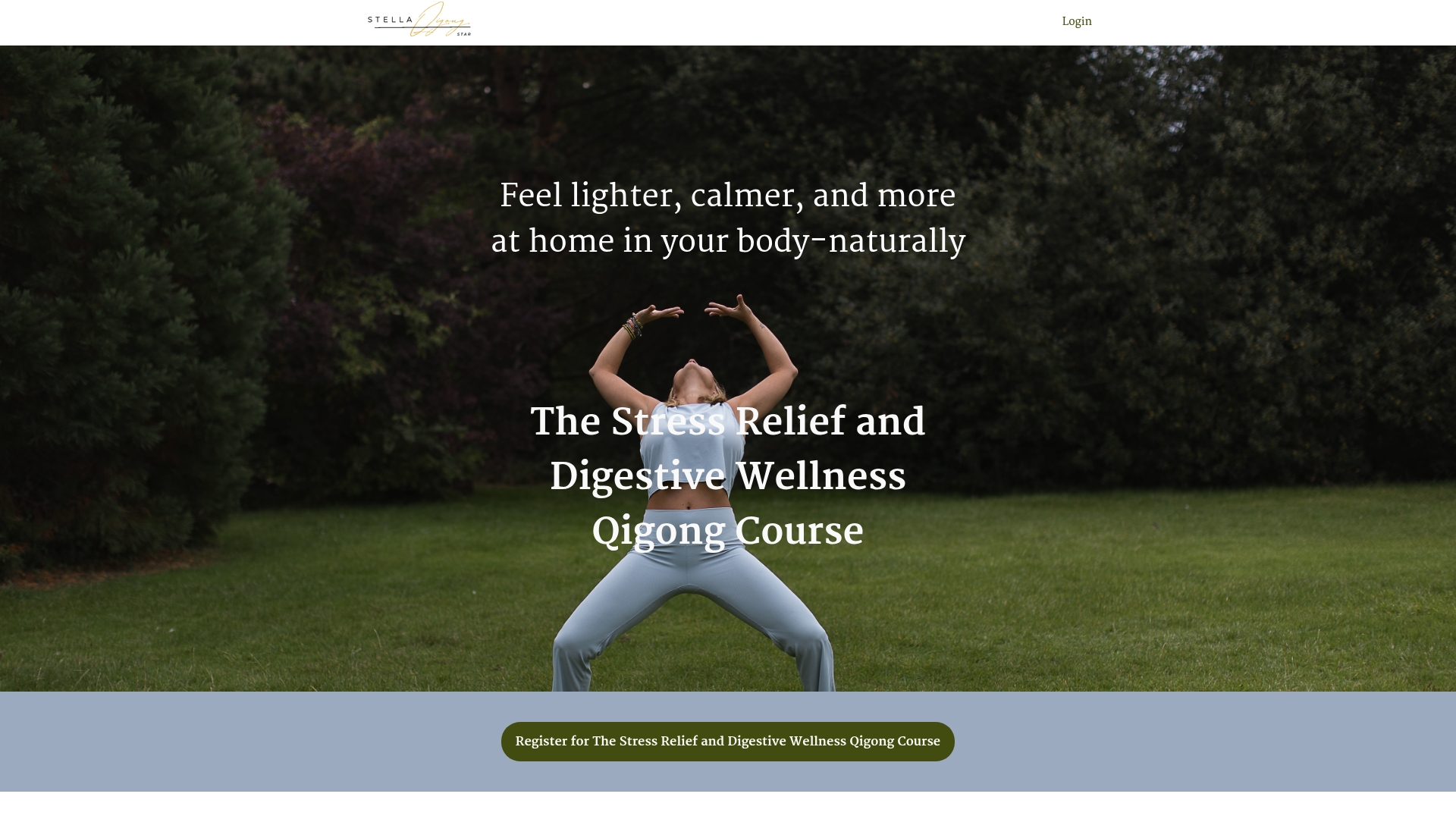
The 5 Animal Qigong course blends rhythmic movement, breath regulation, and mindful focus into a practice that soothes stress at its root. It is beginner-friendly, accessible online, and taught by Stella, a certified White Tiger Qigong and Yoga Alliance instructor. Whether you are brand new to mind-body practice or looking to deepen an existing routine, Qigongstar's online qigong classes give you a calm, guided space to release tension and nurture your wellbeing from the inside out.
FAQ
What is the fastest natural way to relieve stress?
Slow diaphragmatic breathing is the fastest non-medication option. Inhaling for 4 counts and exhaling for 6 activates the parasympathetic nervous system within minutes.
How long does it take for natural stress relief techniques to work?
Most people notice subtle improvements in sleep and reactivity within one to two weeks of daily practice. Deeper resilience builds over 4–8 weeks of consistent effort.
Is breathwork safe for everyone?
Gentle, slow breathing is safe for most people. However, fast or forceful breath techniques can worsen symptoms in individuals with anxiety disorders or PTSD, according to a Frontiers in Psychiatry review. Always start slow.
Can lifestyle changes alone reduce stress without medication?
Yes, for many people. The CDC recommends daily self-care behaviors including physical activity, sleep hygiene, and social connection as a first-line approach to managing stress before it becomes chronic.
When should i seek professional help for stress?
Seek professional support if stress is interfering with daily functioning, you are experiencing panic attacks, or natural techniques are not providing relief after several weeks of consistent practice.