

Mind-body medicine is defined as an integrative approach that uses behavioral, psychological, social, and spiritual techniques to regulate physical health through neuronal, hormonal, and immunologic connections. The National Center for Complementary and Integrative Health (NCCIH), Harvard Health, and the Merck Manual all recognize it as a legitimate field with measurable clinical effects. Practices like meditation, yoga, qigong, and guided relaxation sit at its core. What makes this field compelling is not just the techniques themselves. It is the growing scientific understanding of why they work at a physiological level.
What is mind-body medicine and how does it work?
Mind-body medicine works by activating the parasympathetic nervous system, which is the body's natural counterbalance to the stress response. When you face a perceived threat, your body triggers the fight-or-flight response, flooding your system with cortisol and adrenaline. Mind-body practices interrupt that cycle by activating the relaxation response, which lowers cortisol, slows the heart rate, and calms inflammation.
The brain actively regulates bodily function through a continuous feedback loop between the nervous, endocrine, and immune systems. This means your mental state directly shapes your physical health, and your physical state shapes your mental health in return. The Merck Manual describes this as a bidirectional feedback loop where physical symptoms worsen mental health, and mental distress worsens physical symptoms. Breaking that loop requires working from both ends at once.

Long-term cortisol elevation increases systemic inflammation. That inflammation contributes to cardiovascular disease, digestive problems, and weakened immunity. Mind-body medicine addresses this at the root by training your nervous system to spend less time in a state of chronic stress.
Here is what that physiological shift looks like in practice:
- Cortisol reduction: Meditation and breathing exercises lower cortisol levels, reducing inflammation throughout the body.
- Immune support: Relaxation practices increase natural killer cell activity, strengthening the body's defense against illness.
- Heart rate variability: Practices like qigong and tai chi improve heart rate variability, a key marker of cardiovascular resilience.
- Nervous system retraining: Consistent practice shifts the body's default state away from fight-or-flight and toward calm, regulated function.
Pro Tip: Start with just five minutes of slow, diaphragmatic breathing each morning. This single habit begins to train your parasympathetic nervous system before the day's stressors accumulate.
What are the main mind-body therapies and practices?
NCCIH classifies mind-body practices into three broad categories: psychological approaches, physical approaches, and combined approaches. Each category targets the mind-body connection from a different angle, and many people find the most benefit from combining all three.
Psychological approaches work primarily through the mind to produce physical change. Meditation trains attention and reduces rumination. Mindfulness teaches you to observe sensations without reacting to them. Hypnosis and guided imagery shift the brain's interpretation of pain signals. Positive psychology practices build emotional resilience that protects physical health over time.
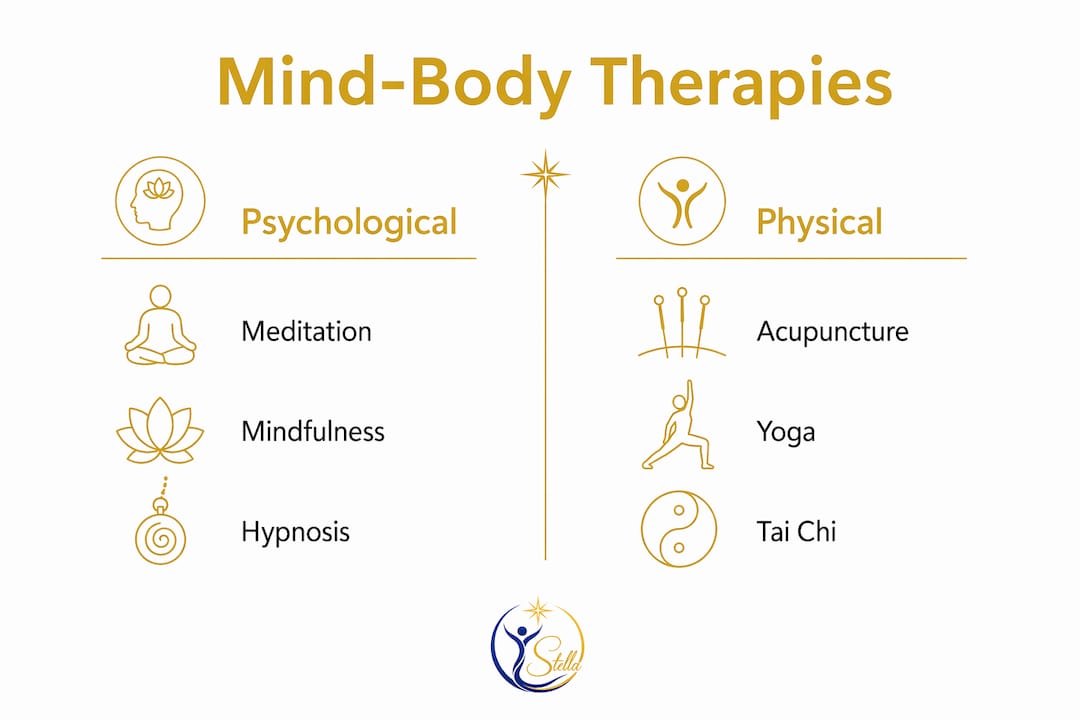
Physical approaches work through the body to produce mental and neurological change. Acupuncture stimulates specific nerve pathways that influence the autonomic nervous system. Therapeutic massage reduces muscle tension and lowers cortisol. Spinal manipulation, used in chiropractic care, affects nerve signaling along the spine.
Combined approaches are where many people find the deepest results. Yoga, tai chi, and qigong integrate breath regulation, mindful movement, and focused awareness into a single practice. Dance therapies and somatic movement practices also fall into this category. These are typically taught by trained practitioners but can be learned for regular self-care at home.
| Category | Examples | Primary Benefit |
|---|---|---|
| Psychological | Meditation, mindfulness, hypnosis | Stress reduction, emotional regulation |
| Physical | Acupuncture, massage, spinal manipulation | Nervous system regulation, pain relief |
| Combined | Yoga, tai chi, qigong, dance therapy | Full mind-body integration, resilience |
Pro Tip: If you are new to mind-body practices, start with a combined approach like qigong or yoga. These give you immediate physical feedback, which makes it easier to stay consistent than sitting meditation alone.
What are the health benefits of mind-body medicine?
Mind-body medicine produces measurable benefits across a wide range of physical and mental health conditions. Clinical trials support improved quality of life for people managing chronic illness, anxiety, and pain. The benefits are not limited to stress relief. They extend into cardiovascular health, immune function, and even surgical recovery.
Here are the most well-supported benefits:
- Chronic pain relief: Mind-body therapies change how the brain perceives pain rather than eliminating it directly. This prevents the unhelpful physical bracing response that often makes pain worse.
- Anxiety and depression: Meditation and mindfulness reduce symptoms of both conditions by calming the nervous system and interrupting negative thought cycles.
- Cardiovascular health: Mind-body practices lower blood pressure and improve heart rate variability, reducing risk factors for coronary artery disease.
- Immune function: Stress reduction through these practices supports immune cell activity and reduces chronic inflammation.
- Insomnia: Relaxation techniques and mindfulness significantly improve sleep onset and sleep quality.
- Menopausal symptoms: Mind-body interventions reduce the frequency and intensity of hot flashes and mood disturbances.
- Cancer care support: Mind-body practices are used alongside conventional cancer treatment to reduce treatment-related anxiety, fatigue, and pain.
- Childbirth preparation: Relaxation and breathing techniques are used to manage labor pain and reduce fear-based tension.
Mind-body medicine is used in treatment of chronic pain, coronary artery disease, headaches, insomnia, and menopausal symptoms across clinical settings worldwide. That breadth of application reflects how deeply the mind-body connection runs through nearly every system in the body.
The goal of mind-body therapy is not to erase symptoms. It is to transform your awareness of and response to those symptoms. That shift in perception is itself therapeutic. It reduces the secondary suffering that comes from fighting or fearing physical sensations.
How can you incorporate mind-body practices into daily life?
Starting a mind-body practice does not require a major lifestyle overhaul. Small, consistent steps build the neurological foundation that makes these practices effective over time.
- Begin with breath. Spend five minutes each morning practicing slow, deep breathing. Inhale for four counts, hold for four, exhale for six. This activates the parasympathetic nervous system immediately and sets a calm tone for the day.
- Add a short meditation. Use a guided app like Insight Timer or simply sit quietly and observe your breath for ten minutes. Consistency matters more than duration when you are starting out.
- Try a gentle movement class. Yoga, tai chi, or qigong classes are available online and in most communities. Qigong is particularly accessible for beginners because the movements are slow, low-impact, and easy to modify. Qigongstar offers on-demand qigong courses designed specifically for stress relief and digestive wellness.
- Weave mindfulness into routine tasks. Eat one meal a day without screens. Take a short walk and focus entirely on what you see, hear, and feel. These micro-practices build mind-body awareness without requiring extra time.
- Track how your body responds. Keep a simple journal noting your stress level, sleep quality, and energy each day. Patterns will emerge within two to three weeks, showing you which practices have the most impact for your body.
One common misconception is that mind-body medicine requires a spiritual belief system. It does not. The physiological mechanisms work regardless of your worldview. Another misconception is that results are immediate. Real nervous system retraining takes weeks of consistent practice, not days.
Pro Tip: If you find sitting meditation frustrating, try mindful movement at home instead. Qigong and tai chi deliver the same parasympathetic benefits as seated meditation, with the added advantage of physical engagement that keeps many people more motivated.
Key Takeaways
Mind-body medicine works because the nervous, hormonal, and immune systems are directly shaped by mental and emotional states, making psychological and physical practices equally valid medical tools.
| Point | Details |
|---|---|
| Core definition | Mind-body medicine uses behavioral, psychological, and spiritual techniques to regulate physical health. |
| How it works | It activates the relaxation response, lowering cortisol and reducing chronic inflammation. |
| Three practice types | NCCIH classifies practices as psychological, physical, or combined, each targeting the connection differently. |
| Key health benefits | Clinical evidence supports benefits for chronic pain, anxiety, cardiovascular health, and insomnia. |
| Starting point | Five minutes of daily breathwork or a gentle qigong class builds the neurological foundation for lasting change. |
Why I think most people underestimate what mind-body medicine actually demands
People come to mind-body medicine expecting relaxation. What they find, if they stay with it, is something closer to physiological retraining. That distinction matters enormously.
Training the parasympathetic nervous system is not the same as taking a warm bath. It is a deliberate, repeated process of interrupting a deeply ingrained stress response. The body has often spent years, sometimes decades, defaulting to fight-or-flight. One meditation session does not undo that. Consistent practice over weeks and months does.
What I have seen, both in my own practice and in the people I work with, is that the biggest barrier is not finding the time. It is tolerating the discomfort of stillness when the nervous system is wired for urgency. The mind resists slowing down precisely because it has been trained to equate busyness with safety. That resistance is not a sign that the practice is not working. It is a sign that it is working on exactly the right thing.
The other insight worth naming is that mind-body medicine is not passive. You are not receiving a treatment. You are developing a skill. That reframe changes everything about how you approach the practice and how long you stick with it.
— Stella
Qigongstar's approach to mind-body wellness
Qigongstar brings together the principles of mind-body medicine in a format that is gentle, structured, and genuinely accessible for beginners.
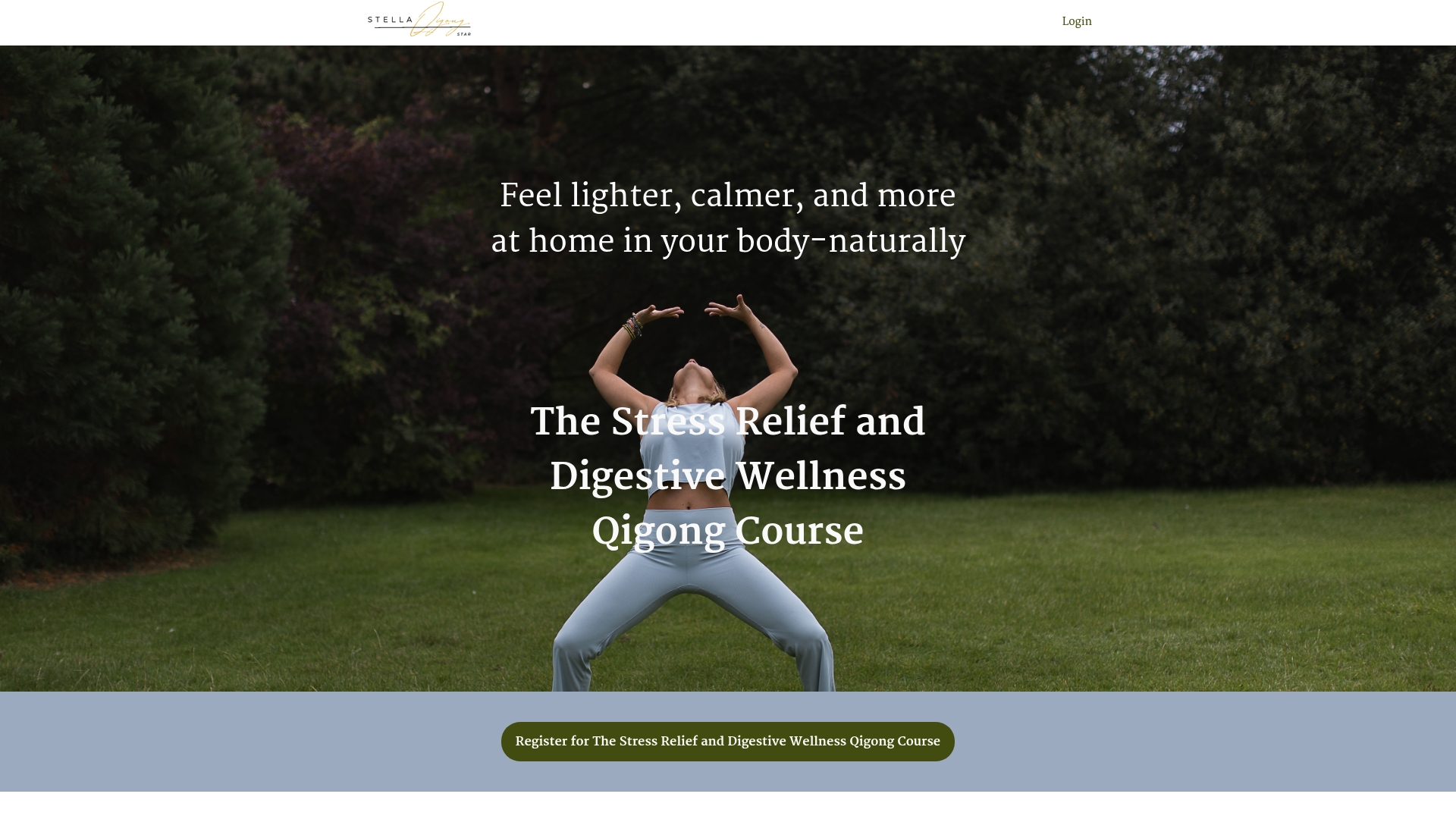
Stella's online courses teach White Tiger Qigong and Five Animal Qigong, both of which combine breath regulation, mindful movement, and energetic awareness into a single flowing practice. These are not fitness classes. They are nervous system practices rooted in Chinese Medicine, designed to soothe stress, support digestion, and awaken your body's natural vitality. Whether you are managing chronic tension, gut issues, or simply want to feel more grounded, Qigongstar's online qigong classes offer a clear, nurturing path into mind-body practice from wherever you are.
FAQ
What is the difference between mind-body medicine and conventional medicine?
Conventional medicine primarily targets physical symptoms through drugs or surgery. Mind-body medicine works through behavioral, psychological, and spiritual techniques to regulate the nervous, hormonal, and immune systems, and it is most effective when used alongside conventional care.
Is mind-body medicine scientifically proven?
Yes. Clinical trials support its effectiveness for chronic pain, anxiety, insomnia, cardiovascular health, and menopausal symptoms. NCCIH and the Merck Manual both recognize mind-body practices as evidence-based interventions.
How long does it take to see results from mind-body practices?
Most people notice reduced stress and improved sleep within two to four weeks of consistent daily practice. Deeper physiological changes, such as reduced inflammation and improved heart rate variability, develop over months of regular engagement.
Can qigong be considered a mind-body practice?
Yes. Qigong combines breath regulation, mindful movement, and focused awareness, placing it firmly in the combined category of mind-body practices as classified by NCCIH. It is one of the most accessible entry points into mind-body medicine.
Do I need a practitioner to start mind-body medicine?
Not always. Many practices like meditation, breathing exercises, and qigong can be learned through structured online courses. For acupuncture or spinal manipulation, a trained practitioner is required. Starting with a guided course ensures you learn correct technique and build a safe, effective foundation.