
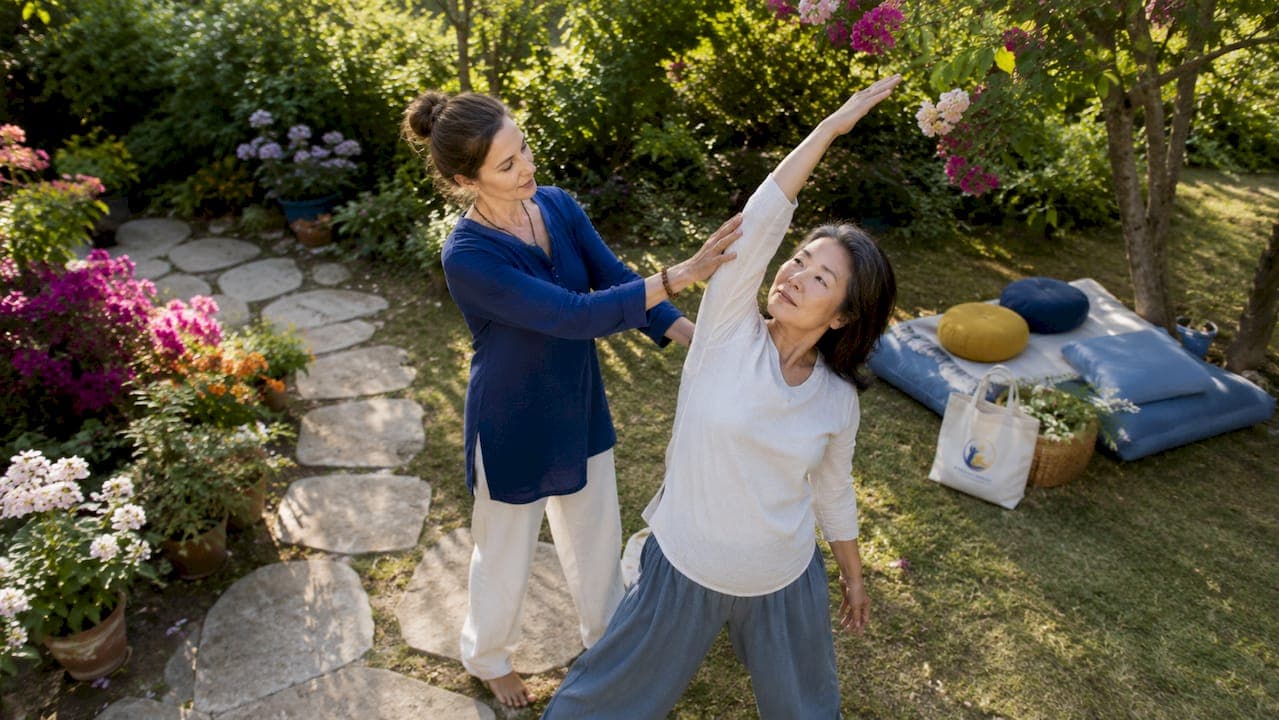
Holistic movement therapy is defined as the therapeutic use of mindful, whole-person movement to support emotional, cognitive, physical, and social integration for mental health and well-being. Unlike a gym workout or fitness class, this approach treats movement as a language your body already speaks. Dance/movement therapy (DMT), the most clinically formalized subtype, is recognized as psychotherapy that uses movement to promote whole-person healing. If you are exploring natural ways to manage stress, release tension, or reconnect with yourself, understanding this field is a genuinely useful starting point.
What is holistic movement therapy and how does it work?
Holistic movement therapy integrates physical movement with emotional, cognitive, and social health outcomes, distinguishing it clearly from general exercise. The goal is not fitness. It is therapeutic integration: helping you process emotions, build self-awareness, and restore a sense of calm through guided movement. The psychotherapeutic use of movement in a relational context supports emotional regulation in ways that talk therapy alone often cannot reach.
The body-mind connection at the core
Movement both reflects and shapes your inner emotional state. When you are anxious, your breath shortens, your shoulders rise, and your jaw tightens. Holistic movement therapy works with those physical signals deliberately. A trained therapist observes your movement quality, rhythm, gesture, and breath, then uses those observations to guide the session. This body-mind coupling is the mechanism through which movement therapy builds coherence between how you feel and how you function.
What the therapist actually does
In a session, the therapist does not choreograph your movements. Instead, they create a safe relational space where your authentic movement can emerge. They track subtle shifts: a softening in the chest, a change in walking pace, a spontaneous gesture. Over time, these nonverbal expressions become therapeutic data. You are an active participant, not a passive recipient. This is what separates movement therapy from a yoga class or a dance fitness program. The therapeutic relationship and clinical observation are central to how the process works.
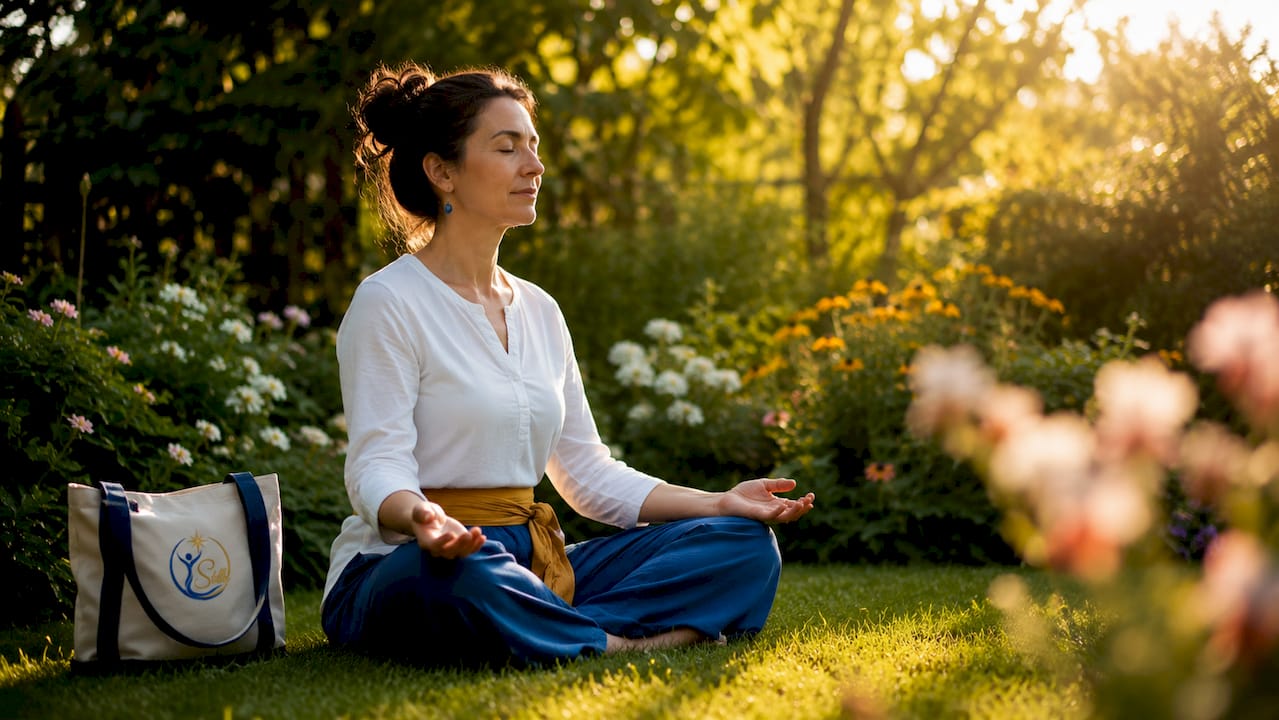
Pro Tip: You do not need to name your emotions during a session. Movement therapy works even when you cannot find the words. Your body communicates what your mind has not yet processed.
What are the benefits of movement therapy for stress and anxiety?
The benefits of movement therapy for stress relief and anxiety management are well-supported by research. Meta-analyses show that dance modalities produce large effect sizes in reducing depressive symptoms and anxiety, including in older adult populations. That means the impact is not marginal. It is clinically meaningful. For adults carrying chronic stress, this matters.
Here is a summary of the core benefits research consistently identifies:
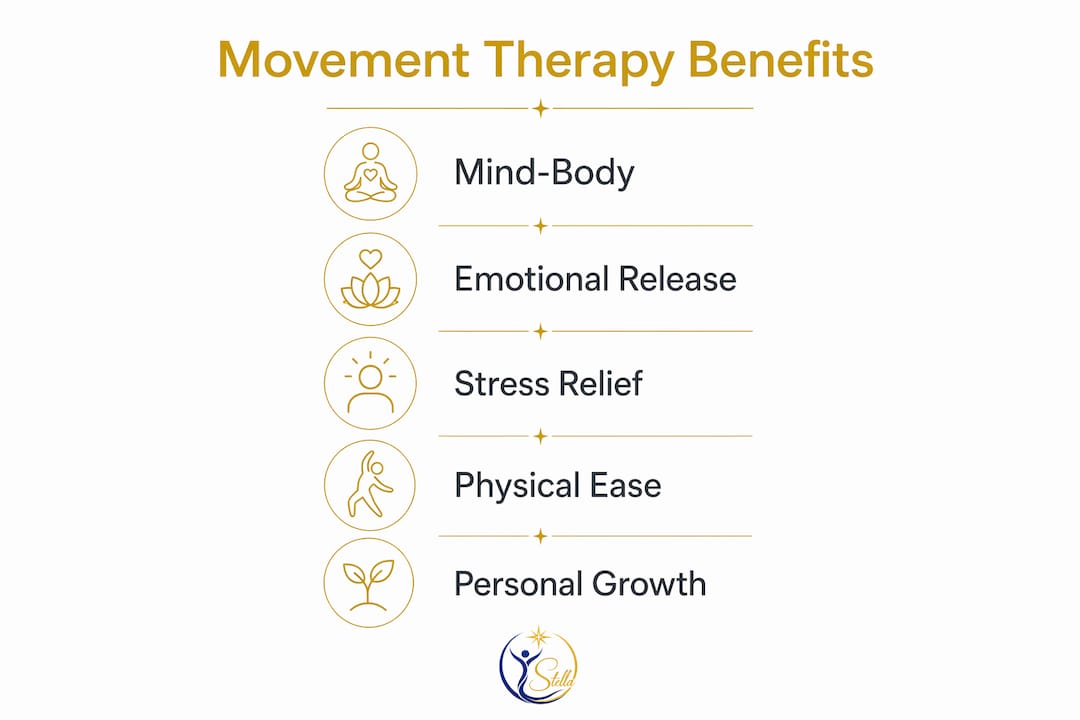
- Anxiety reduction: Dance and movement interventions outperform control conditions in reducing anxiety symptoms across multiple populations.
- Emotional regulation: Movement therapy builds your capacity to recognize and manage emotional responses, reducing reactivity over time.
- Improved self-esteem: A review of 16 studies across various dance types found significant improvements in physical self-esteem and reductions in social physique anxiety, with larger gains in women.
- Tension release: Movement therapy helps release stored physical tension and trauma held in the body, restoring proprioception and embodied presence.
- Cognitive clarity: Regular practice improves body awareness and self-regulation, sharpening emotional intelligence and nuanced self-perception.
- Social connection: Group movement sessions build a sense of belonging and reduce isolation, which is a significant contributor to chronic stress.
One finding worth noting: movement intensity and modality personalization matter for outcomes. A gentle, slow-paced practice like qigong or restorative movement will produce different results than vigorous dance. Neither is superior. The right intensity is the one that matches your current nervous system state and personal preference. Forcing high-intensity movement when you are already overstimulated can work against you. Skilled therapists modulate pacing carefully to avoid this.
The physical dimension is equally real. Releasing tension from the shoulders, hips, and chest through guided movement creates a direct physiological shift. Your nervous system registers safety through the body, not just through thought. This is why movement therapy can reach places that cognitive approaches sometimes miss.
How does holistic movement therapy compare to yoga, somatic work, and DMT?
Not all movement-based wellness practices are the same, and the differences matter when you are choosing what fits your needs. The table below clarifies the key distinctions.
| Practice | Primary focus | Clinical oversight | Skill required |
|---|---|---|---|
| Dance/movement therapy (DMT) | Psychotherapy, emotional and cognitive integration | Licensed therapist required | None |
| Somatic movement | Body awareness, nervous system regulation | Varies; can be self-directed | None |
| Yoga | Flexibility, breath, mindfulness | Instructor, not a therapist | Minimal |
| Qigong | Energy flow, breath, gentle movement | Instructor, not a therapist | None |
| General exercise | Physical fitness, cardiovascular health | None required | Varies |
DMT, as practiced through the American Dance Therapy Association (ADTA), is a licensed clinical profession. Sessions are psychotherapy. Somatic movement practices, yoga, and qigong sit in the wellness space and do not require a clinical license to teach or attend. This does not make them less valuable. It means they serve different purposes. If you are managing a clinical diagnosis like PTSD or major depression, working with a licensed DMT practitioner is the appropriate path. If you are managing everyday stress, anxiety, or digestive tension, mind-body practices at home like qigong or somatic movement can be genuinely transformative.
The shared thread across all these practices is the use of movement as a therapeutic tool rather than a performance. Authentic, nonverbal expression is the focus, not choreography or athletic achievement. Even small, non-choreographic movements like gentle rocking, slow arm circles, or mindful walking carry therapeutic meaning when practiced with awareness.
Pro Tip: When choosing between modalities, ask yourself: "Do I need clinical support for a diagnosed condition, or am I building a wellness practice?" That single question will point you toward the right type of provider.
How to get started with holistic movement therapy
Starting is simpler than most people expect. You do not need dance experience, flexibility, or any prior movement background. Here is a practical path forward:
- Clarify your goal. Are you seeking clinical support for anxiety or trauma? Look for a licensed dance/movement therapist credentialed through the ADTA. Are you building a stress-relief practice? Explore qigong, somatic movement, or gentle yoga with a qualified instructor.
- Research providers carefully. For clinical DMT, verify that your therapist holds a board-certified dance therapist (BC-DMT) credential or is registered (R-DMT) through the ADTA. For wellness-focused movement, look for instructors certified by recognized schools such as the White Tiger Qigong School or Yoga Alliance.
- Choose a modality that genuinely interests you. Participants who choose preferred movement styles show better attendance and outcomes. If you find dance joyful, explore DMT or expressive movement. If you are drawn to stillness and breath, qigong or somatic practices may suit you better.
- Expect a gentle, exploratory first session. A typical session begins with a brief check-in, moves into guided movement exploration, and closes with reflection. You will not be asked to perform. You will be invited to notice.
- Integrate movement into your existing wellness routine. Holistic movement therapy works well alongside meditation, breathwork, or evidence-based wellness routines for stress and digestion. Consistency matters more than duration. Even 15 minutes of mindful movement daily builds cumulative benefit.
The most common barrier is the belief that you need to "do it right." Movement therapy releases that expectation entirely. Your authentic movement, however small or unfamiliar it feels, is exactly what the practice calls for.
Key takeaways
Holistic movement therapy works because it treats the body as both a site of stored emotion and a direct pathway to emotional regulation, making it one of the most accessible and evidence-supported approaches to stress relief available.
| Point | Details |
|---|---|
| Core definition | Holistic movement therapy integrates movement with emotional, cognitive, and social health for whole-person well-being. |
| No skill required | Authentic, small movements carry therapeutic meaning; dance ability or fitness level is irrelevant. |
| Research-backed benefits | Meta-analyses confirm large effect sizes for anxiety and depression reduction through dance and movement modalities. |
| Modality matching matters | Choosing a movement style that genuinely interests you improves adherence and amplifies outcomes. |
| Clinical vs. wellness | Licensed DMT is psychotherapy; qigong, somatic movement, and yoga are wellness practices with overlapping benefits. |
Why I believe movement therapy is one of the most underused wellness tools
I have worked with hundreds of adults who came to qigong carrying stress they could not name, tension they had normalized, and a deep disconnection from their own bodies. What strikes me every time is how quickly gentle, intentional movement begins to shift things that years of thinking about the problem could not touch.
The biggest misconception I encounter is that movement therapy is "just dancing" or that it requires a certain body type, fitness level, or emotional readiness. None of that is true. The principles of holistic therapy are built on the idea that every person already has what they need. The practice simply creates the conditions for it to emerge.
What I find most powerful is the nonverbal dimension. So much of what we carry as stress lives below the level of language. Movement gives it somewhere to go. I have seen clients release tension in a single session of Five Animal Qigong that they had been carrying for years. That is not magic. That is the body doing what it was designed to do when given the right conditions.
My honest recommendation: do not wait until you are in crisis to explore movement therapy. Start gently, start curious, and trust that your body knows more than you think it does.
— Stella
Explore gentle movement practices for stress relief with Qigongstar
If this article has sparked your curiosity about movement therapy for wellness, Qigongstar offers a warm, beginner-friendly way to experience these principles firsthand.
Stella's online qigong classes are rooted in Chinese Medicine and designed specifically for stress relief, digestive health, and energetic balance. White Tiger Qigong and Five Animal Qigong both use gentle movement, breath regulation, and mindful awareness to help you release deep-held tension and awaken your body's natural vitality. Classes are accessible on demand, require no prior experience, and are taught by Yoga Alliance and White Tiger Qigong School certified instructors. Browse the full range of online courses and classes and find the practice that feels right for you.
FAQ
What is holistic movement therapy in simple terms?
Holistic movement therapy is the use of intentional, mindful movement to support emotional, physical, and cognitive well-being as a whole. It treats movement as a therapeutic tool rather than exercise, helping you process stress, release tension, and build self-awareness.
Do I need dance experience to try movement therapy?
No dance skill or fitness level is required. Clinically oriented DMT focuses on authentic, nonverbal expression rather than choreography, and even subtle gestures carry therapeutic meaning.
How is movement therapy different from yoga or qigong?
Dance/movement therapy is a licensed clinical psychotherapy requiring a credentialed therapist, while yoga and qigong are wellness practices focused on breath, energy, and mindful movement. Both categories offer genuine benefits, but they serve different levels of clinical need.
How long does it take to feel the benefits of movement therapy?
Many people notice a shift in tension and mood within a single session. Research on dance interventions for anxiety shows measurable improvements over weeks of consistent practice, with outcomes improving further when the chosen modality matches personal interest.
How do I find a qualified holistic movement therapist?
Look for practitioners credentialed through the American Dance Therapy Association (ADTA), which publishes peer-reviewed clinical standards for the field. For wellness-focused movement, seek instructors certified by recognized bodies such as Yoga Alliance or the White Tiger Qigong School.