
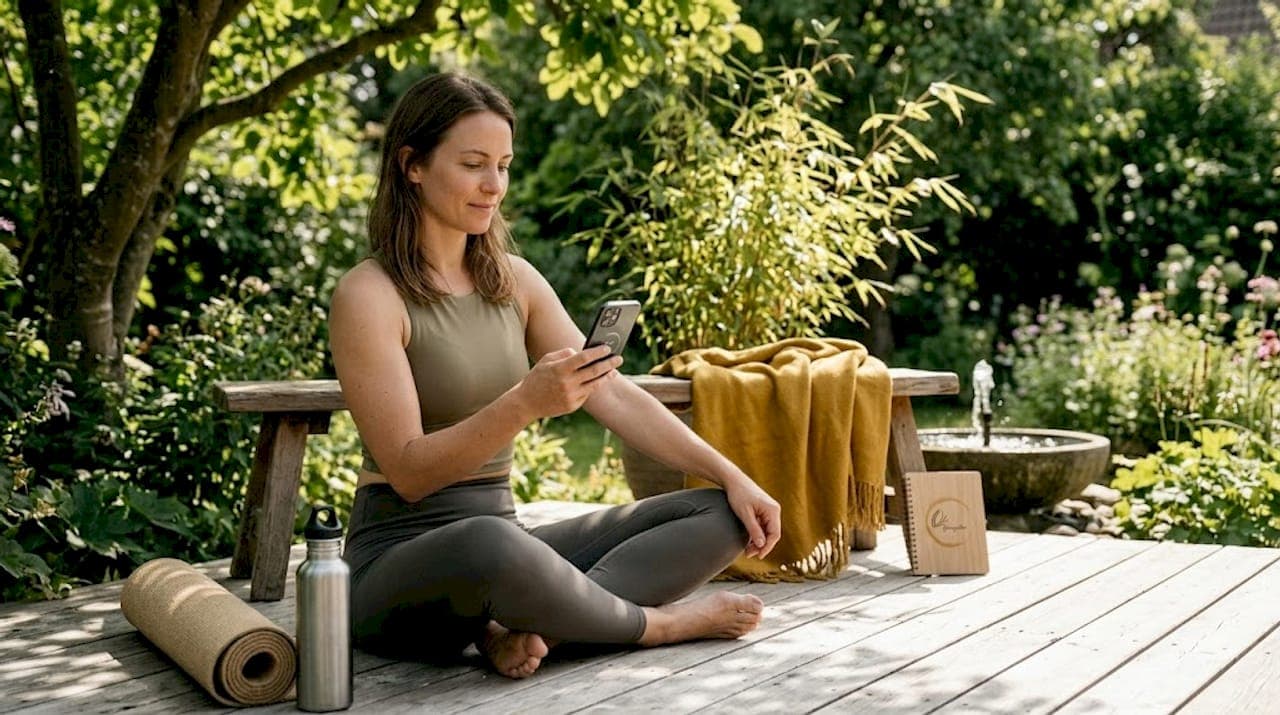
You already know that stress and digestive discomfort are deeply connected, yet finding a wellness routine that genuinely addresses both can feel like searching for calm in a storm. The options are endless: apps, supplements, trendy workouts, and ancient practices all compete for your attention. This article cuts through the noise. We’ll walk you through clear criteria for what makes a routine truly holistic, explore evidence-backed options from mindful breathing to gentle movement, and give you practical comparison tools so you can build a path that feels nourishing, sustainable, and completely your own.
Table of Contents
-
Examples: Mindfulness, breathing, and relaxing for stress relief
-
Gentle movement options: Tai chi, somatic yoga, and restorative exercise
-
Summary comparison: Choosing the right routine for your needs
-
What truly works: Routines, not routines, and the missing ingredient
Key Takeaways
| Point | Details |
|---|---|
| Start simple | One-minute breathing or daily mindfulness can noticeably reduce stress. |
| Gentle movement works | Tai chi, yoga, and qigong offer safe, accessible ways to support mind and body. |
| Address stress for gut health | Lowering stress directly improves digestion and overall wellness. |
| Evidence matters | Choose approaches supported by science for the best, most reliable results. |
| Consistency beats intensity | Small, sustainable routines practiced daily bring lasting benefits. |
How to choose a holistic wellness routine
The word “holistic” gets used loosely, but its meaning matters. A truly holistic wellness routine addresses mind, body, and emotions together, not in isolation. It doesn’t just stretch your muscles or quiet your thoughts for a moment. It creates a ripple effect, where calming your nervous system also soothes your gut, and moving your body gently also lifts your mood.
When you’re evaluating any routine, ask yourself four key questions:
-
Does it reduce stress? Look for practices with evidence behind them. Mindfulness exercises as short as one minute can lower stress and sharpen mental clarity, according to Mayo Clinic.
-
Is it gentle on your body? Low-impact movement protects your joints and keeps the practice accessible, especially on difficult days.
-
Does it support digestion? Stress hormones directly disrupt gut function, so a routine that calms the stress response also nurtures your digestive system.
-
Can a beginner start today? The best routine is the one you actually begin. Accessibility matters more than sophistication.
Movement is a powerful piece of this picture. Exercise and stress relief are closely linked; Mayo Clinic notes that physical activity in almost any form can act as a stress reliever while also improving mood and sleep quality. You don’t need an intense workout to feel that shift. Even five minutes of mindful movement can awaken your energy and reset your nervous system.
For more holistic health tips that weave together movement, breath, and traditional wisdom, our blog offers a growing library of guidance rooted in Traditional Chinese Medicine.
Pro Tip: If your schedule feels packed, anchor one short practice to something you already do, like a one-minute breathing exercise right after brushing your teeth. Small daily wins build lasting routines.
Examples: Mindfulness, breathing, and relaxing for stress relief
Mindfulness and breathing practices are the foundation of any holistic routine. They’re free, require no equipment, and work quickly. More importantly, they directly address the stress-digestion connection that so many people experience but don’t fully understand.
Here’s what the evidence tells us: focused breathing and short mindfulness moments can lower stress hormones and bring genuine mental clarity. These aren’t just feel-good concepts. They’re tools your nervous system responds to in real time.
The gut-brain connection is equally important to understand. Stress can cause digestive discomfort through hormones like adrenaline and cortisol, which disrupt the gut’s normal rhythms. Harvard Health points directly to belly breathing, relaxation therapy, and meditation as techniques that ease this connection. In other words, calming your mind is one of the most direct paths to calming your gut.
“The gut and brain are in constant communication. When you soothe one, you often soothe the other. Breath is the bridge.”
Here’s a simple daily routine you can start today:
-
Morning (5 minutes): Sit quietly and focus on slow, deep belly breaths. Let each exhale release the tension from the night.
-
Midday (1 minute): Take a breathing break. Inhale for four counts, hold for four, exhale for six. Repeat three times.
-
Post-meal (3 minutes): Try a gentle body scan. Starting from your feet, slowly bring awareness upward, noticing and releasing any areas of tightness.
-
Evening (5 minutes): A full body scan or guided relaxation before sleep helps your nervous system shift into rest mode.
If you experience digestive discomfort alongside stress, qigong for gut health offers a powerful complement to these breathing practices, blending breath regulation with gentle movement for deeper relief.
Pro Tip: Set a phone reminder labeled “breathe” for two or three times a day. Anchoring relaxation to existing habits, like after meals or before bed, makes it far easier to stay consistent without willpower alone.
Gentle movement options: Tai chi, somatic yoga, and restorative exercise
Once you’ve established a breathing foundation, adding gentle movement deepens the benefits. Three practices stand out for their accessibility, safety, and mind-body awareness: tai chi, somatic yoga, and restorative or yin-style yoga.
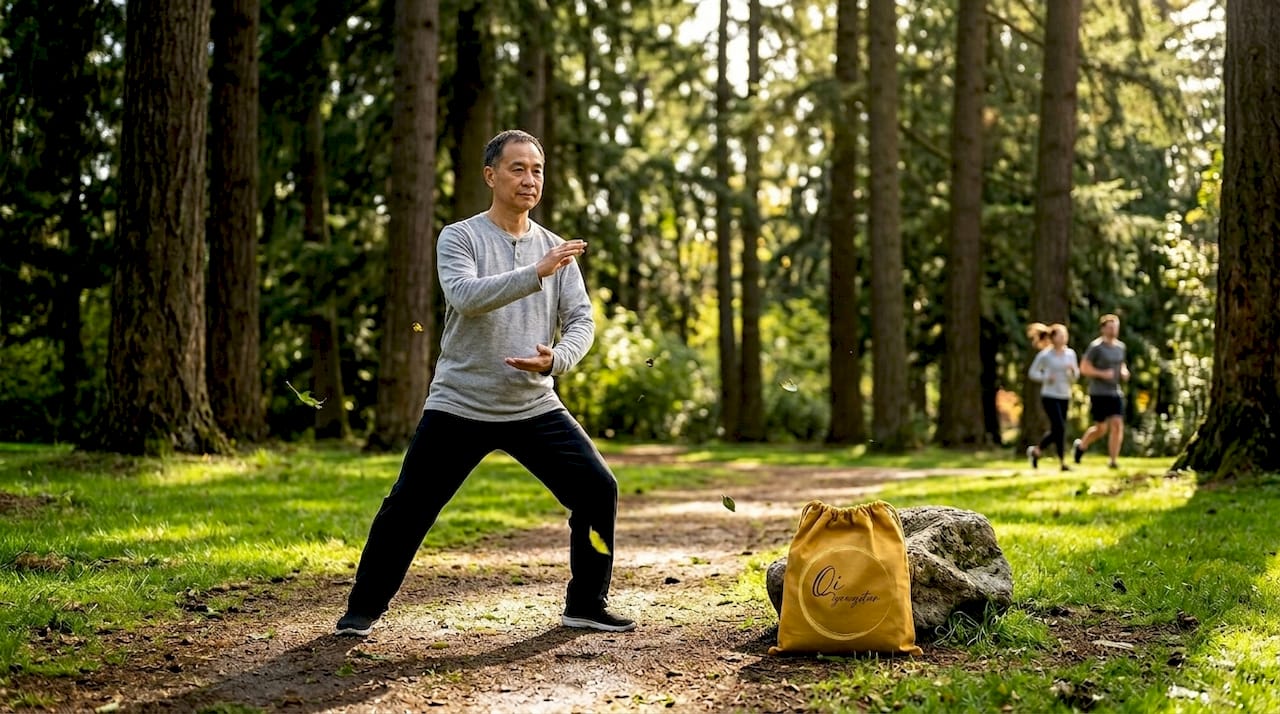
Tai chi is often described as meditation in motion, a phrase Cleveland Clinic uses to capture its flowing, low-impact nature. Each movement is slow and deliberate, paired with deep breaths that help regulate the nervous system. Because it’s weight-bearing but never jarring, tai chi suits people of all fitness levels, including those with joint sensitivity or chronic fatigue. A basic five-minute tai chi flow in the morning can shift your entire day’s energy.
Somatic yoga takes a different approach. Rather than focusing on achieving a perfect pose, somatic yoga prioritizes your internal experience, including your thoughts, feelings, and body awareness. Cleveland Clinic outlines several entry points for beginners, from gentle floor-based movements to slow, mindful transitions between positions. This makes it especially valuable for people carrying emotional stress or tension stored in the body.
Restorative and yin yoga use long-held, supported poses to release deep connective tissue and calm the parasympathetic nervous system. These styles are ideal for evenings or recovery days when your body needs stillness more than stimulation.
Here’s how these practices compare:
| Practice | Impact level | Beginner-friendly | Stress relief | Digestive support | Key benefit |
|---|---|---|---|---|---|
| Tai chi | Very low | Yes | Strong | Moderate | Nervous system calm |
| Somatic yoga | Very low | Yes | Strong | Moderate | Emotional release |
| Gentle qigong | Very low | Yes | Strong | Strong | Breath and energy flow |
| Restorative yoga | None | Yes | Moderate | Moderate | Deep tissue release |
Gentle qigong deserves special attention here. Rooted in Traditional Chinese Medicine, it combines breath regulation, slow movement, and intentional energy awareness in a way that directly targets both stress and digestion. Explore White Tiger Qigong routines and 5 Animal Qigong techniques to see how these ancient practices translate into modern, accessible wellness tools.
Summary comparison: Choosing the right routine for your needs
Now that you’ve seen the individual options, let’s bring them together so you can make a clear, confident decision based on your specific goals.
| Routine | Best for stress | Best for digestion | Ease of starting | Time needed daily |
|---|---|---|---|---|
| Mindfulness and breathing | Excellent | Excellent | Very easy | 1 to 10 minutes |
| Tai chi | Excellent | Good | Easy | 5 to 20 minutes |
| Somatic yoga | Excellent | Good | Easy | 10 to 20 minutes |
| Gentle qigong | Excellent | Excellent | Easy | 5 to 20 minutes |
| Restorative yoga | Good | Moderate | Easy | 10 to 30 minutes |
It’s also worth noting that stress and emotions can disrupt GI function in multiple ways, including slowing or speeding digestion, increasing sensitivity to bloating, and triggering inflammation. Harvard Health confirms that mind-body practices can ease both GI symptoms and mood by calming the stress response directly. This is why routines that address the nervous system tend to deliver the most noticeable digestive benefits.
However, it’s equally important to set realistic expectations. Yoga’s research base for general well-being, including stress and sleep, is described by the National Center for Complementary and Integrative Health as limited and inconsistent. This doesn’t mean yoga doesn’t help. Many people feel real benefits. It simply means you should choose your practice based on how it feels in your body, not just on bold marketing claims.
Here’s how to pick the right starting point for your specific goals:
-
Primary goal: Stress relief. Start with mindfulness and breathing. Add tai chi or gentle qigong within the first week.
-
Primary goal: Digestive health. Prioritize belly breathing and relaxation practices first, then layer in gentle qigong for its targeted digestive benefits.
-
Primary goal: Joint pain or mobility. Tai chi and restorative yoga are your best allies. Both are low-impact and deeply nourishing for stiff or sensitive joints.
-
Primary goal: Emotional balance. Somatic yoga and mindfulness practices help you release deep-held tension and reconnect with your body’s signals.
-
Combining goals. If you want to address stress and digestion together, pair a daily breathing practice with a White Tiger Qigong overview to experience how integrated movement and breath work amplify each other’s effects.
When in doubt, combining two complementary practices, such as morning breathing and an evening gentle movement session, tends to produce faster, more lasting results than any single approach alone.
What truly works: Routines, not routines, and the missing ingredient
Here’s something most wellness articles won’t tell you directly: the specific routine you choose matters far less than whether you actually show up for it consistently. We’ve seen this pattern again and again. Someone spends weeks researching the perfect practice, then abandons it after ten days because life gets busy or results feel slow.
The missing ingredient isn’t a better technique. It’s consistency paired with self-compassion.
Start smaller than you think you need to. A two-minute breathing practice done every single day will outperform a forty-minute yoga session done twice a month. Your nervous system responds to regularity. Your gut responds to regularity. Real transformation happens in the quiet accumulation of small, daily choices.
We also want to be honest about the evidence. Mind-body practices calm the stress response and can meaningfully ease GI symptoms, and that’s genuinely exciting. But if your primary goal involves both digestion and stress relief, the research points most clearly to practices that directly target the stress response, specifically breathing, mindfulness, and relaxation. Movement is a wonderful amplifier, but breath is the foundation.
At the same time, yoga’s evidence base for specific conditions remains mixed. This is worth knowing not to discourage you, but to help you approach your practice with curiosity rather than pressure. If a particular style resonates with you and you feel better doing it, that lived experience is valid and meaningful.
The best wellness routine is the one you return to joyfully, even on hard days. It’s the one that feels like a gift to yourself rather than another item on your to-do list. If you’re exploring real results with qigong for gut health, you’ll find stories from practitioners who discovered that gentle, consistent practice transformed not just their digestion, but their entire relationship with their body.
Trust the process. Start where you are. Let the practice grow with you.
Your next step: Explore guided holistic wellness resources
You’ve now got a clear, evidence-backed map of holistic wellness practices that support stress relief, digestion, and gentle movement. The next step is putting it into practice with guidance you can trust.

At QigongStar.com, we’ve designed online courses that meet you exactly where you are, whether you’re brand new to movement practices or ready to deepen an existing routine. Our 5 Animal Qigong program weaves together breath, gentle movement, and Traditional Chinese Medicine principles to nurture your body from the inside out. Every course is beginner-friendly, on-demand, and crafted by certified instructors who genuinely care about your wellbeing. When you’re ready to take that first empowering step, discover STELLA QIGONG and find the practice that feels like home.
Frequently asked questions
What is a holistic wellness routine?
A holistic wellness routine supports mind, body, and emotions together, usually combining gentle movement, stress-reduction techniques, and natural practices like breathing or mindfulness to create whole-body balance.
How can gentle movement help with stress and digestion?
Gentle movement like tai chi, yoga, and qigong lowers stress hormones and can ease digestive symptoms by calming the body’s stress response; mind-body practices have been shown to ease GI symptoms and mood by directly targeting the gut-brain connection.
What are easy holistic wellness practices for beginners?
Start with simple options like one-minute mindful breathing or a five-minute tai chi flow, which Cleveland Clinic describes as low-impact, gentle movement that’s accessible for almost everyone.
Are there any risks with yoga or tai chi?
Most people can try gentle yoga or tai chi safely, but it’s worth knowing that yoga’s research for general well-being shows limited and inconsistent findings, so start slowly and listen to your body, especially if you have existing health concerns.
Can holistic routines really improve gut health?
They can meaningfully support gut health, particularly by easing stress; belly breathing, relaxation therapy, and meditation are among the techniques Harvard Health specifically recommends for improving the gut-brain connection and soothing digestive discomfort.