
Traditional Chinese medicine explained is a topic that often gets dismissed as vague or mysterious, when in fact it is one of the most systematic approaches to human health ever developed. Far from being a collection of ancient superstitions, TCM has guided the wellness of billions of people across thousands of years, and today it is backed by a growing body of clinical research. If you are looking for natural ways to soothe stress, quiet anxiety, or calm a troubled gut, understanding TCM may be one of the most empowering steps you take.
Table of Contents
- Understanding the core principles of traditional Chinese medicine
- Exploring traditional Chinese medicine therapies and herbal formulas
- How traditional Chinese medicine supports stress, anxiety, and digestive health
- Scientific evidence and modern applications of traditional Chinese medicine
- Practical tips for integrating traditional Chinese medicine into your wellness routine
- Why traditional Chinese medicine's holistic approach offers unique value today
- Explore qigong and traditional Chinese medicine practices for stress relief and digestion
- Frequently asked questions
Key Takeaways
| Point | Details |
|---|---|
| Holistic system | TCM views health through interconnected body systems and environmental factors rather than isolated symptoms. |
| Personalized treatment | Practitioners tailor therapies based on individual pattern diagnosis, making treatments unique to each person. |
| Effective therapies | Acupuncture, herbal formulas, and lifestyle changes support stress relief, anxiety reduction, and improved digestion. |
| Evidence growing | Modern research supports TCM’s complementary role in cancer care and mental health management. |
| Safety first | Consult qualified practitioners before using TCM herbs to avoid interactions and ensure proper care. |
Understanding the core principles of traditional Chinese medicine
At the heart of TCM is a simple but profound idea: your body is not a collection of isolated parts. It is a living, breathing system where everything connects. TCM views the human body as interconnected systems shaped by lifestyle, emotions, and environment. When one part is out of rhythm, the whole system feels it.
Here are the five foundational concepts that shape how TCM understands health:
- Qi (pronounced "chee"): Qi is the vital energy that flows through your body, fueling every function from digestion to emotional resilience. Think of it as the current that keeps your internal lights on. When Qi flows freely, you feel vibrant and grounded. When it stagnates or depletes, fatigue, pain, and mood shifts follow.
- Yin and Yang: These are not opposites that fight each other. They are complementary forces that must stay in balance. Yin represents rest, coolness, and nourishment. Yang represents activity, warmth, and movement. Your body is always seeking that quiet equilibrium between the two.
- The Five Elements: Wood, Fire, Earth, Metal, and Water. Each element maps to specific organs, emotions, seasons, and physiological processes. For example, the Wood element governs the liver and is connected to the emotion of anger. Explore the TCM Five Elements to see how these connections show up in your daily health.
- Meridians: These are invisible channels running through the body along which Qi travels. There are 12 primary meridians, each linked to a major organ. Therapies like acupuncture and qigong work by clearing blockages and encouraging smooth Qi flow through these pathways.
- Pattern recognition: Rather than diagnosing a disease by a single symptom, TCM practitioners assess the whole picture. Sleep quality, digestion, emotional tendencies, tongue color, and pulse characteristics all form part of the diagnosis. This allows treatment to address root causes, not just surface-level discomfort.
This approach explains why two people with the same complaint might receive entirely different treatments. TCM sees you as a unique individual, not a generic case.
Exploring traditional Chinese medicine therapies and herbal formulas
Understanding TCM's theory helps make sense of its varied treatments, which are far more nuanced than most people realize. What is traditional Chinese medicine in practice? It is a toolkit of carefully developed therapies that work together to restore balance.
| Therapy | Primary action | Common uses |
|---|---|---|
| Acupuncture | Stimulates meridian points to regulate Qi and blood | Pain, stress, insomnia, digestive issues |
| Herbal formulas | Multi-ingredient remedies targeting pattern imbalances | Anxiety, fatigue, hormonal issues |
| Cupping | Creates suction to move stagnant Qi and blood | Muscle tension, cold patterns, detox |
| Moxibustion | Applies heat near acupuncture points to warm and tonify | Digestive weakness, cold limbs, fatigue |
| Qigong and Tai Chi | Gentle movement and breath to cultivate and circulate Qi | Stress, immune support, chronic illness |
Traditional Chinese medicine herbs are perhaps the most complex area of all. TCM practitioners use formulas with 200 to 300 herbs combined into multi-ingredient remedies to balance the body. A typical formula is not random. It follows a precise hierarchy:
- Chief herb: The primary ingredient that addresses the main pattern
- Deputy herb: Supports the chief herb or addresses a secondary issue
- Assistant herb: Moderates potential side effects and enhances action
- Envoy herb: Directs the formula to the target organ or region
One classic example is Xiao Yao San, a formula used for liver Qi stagnation (a pattern often linked to stress and irritability). It includes herbs that move Qi, nourish blood, and gently support digestion, all working together. Learn more about composition of TCM herbal formulas and how movement practices support this process.
Pro Tip: If you are new to TCM herbs, start with food-grade herbs like ginger, astragalus, and goji berries before moving to prescription formulas. These are gentle and easy to incorporate into teas and warm meals.
How traditional Chinese medicine supports stress, anxiety, and digestive health
With a grasp of therapies, let us examine how TCM specifically targets stress and digestive challenges, which are among the most common concerns we hear about.
TCM views stress and anxiety not as purely mental events but as signs of energetic imbalance. One of the most common patterns is liver Qi stagnation, where the liver's role in ensuring smooth Qi flow throughout the body becomes disrupted. The result? Irritability, a tight chest, disrupted sleep, and a sluggish gut. TCM offers unique diagnostic and multi-targeted treatment options for depression with fewer side effects than conventional drugs.
Here is how TCM approaches these conditions step by step:
- Diagnosis through pattern recognition: A practitioner assesses your full picture, including pulse quality, tongue appearance, and lifestyle habits.
- Herbal support: A personalized formula is prescribed to move stagnant Qi, calm the nervous system, and nourish the relevant organs.
- Acupuncture sessions: Specific points are needled to release tension, regulate the nervous system, and restore smooth energy flow.
- Lifestyle rituals: Warm, cooked meals, consistent sleep times, and brief breathing pauses throughout the day are prescribed as part of healing.
- Ongoing adjustment: The formula and approach are refined as your body responds, ensuring the treatment stays aligned with your shifting patterns.
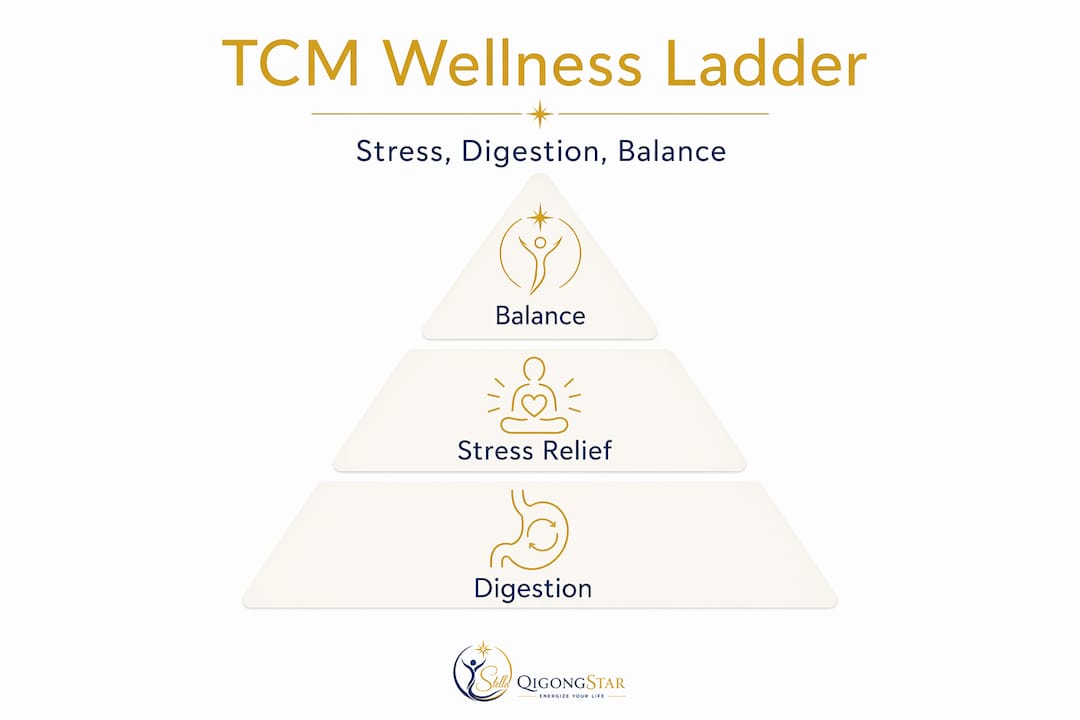
For digestion specifically, TCM focuses on the Spleen and Stomach system, which governs the transformation and transportation of food into energy. Cold foods, stress, and irregular eating habits are seen as primary disruptors. Addressing these through integrative health practices like qigong and mindful eating can make a genuine difference.
TCM is integrated into primary healthcare, though utilization remains low, with patient health literacy and physician competence key to uptake. This means educating yourself, as you are doing right now, is genuinely one of the most impactful things you can do for your wellness.
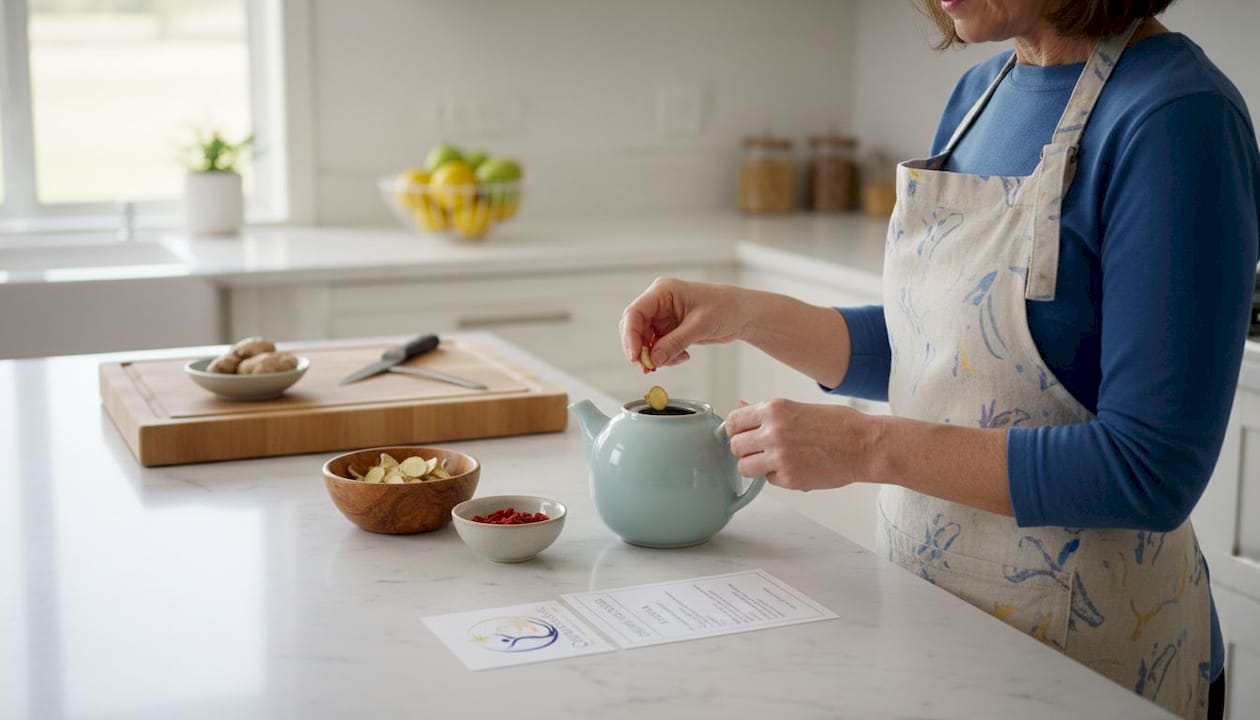
Pro Tip: Try eating your largest meal at midday rather than in the evening. In TCM, the Stomach's Qi is strongest between 7 and 9 a.m. and the digestive system peaks around midday, making lunchtime your most efficient time for nourishment.
Scientific evidence and modern applications of traditional Chinese medicine
Recent research has started to validate what TCM practitioners have known for centuries. Traditional Chinese medicine benefits are no longer a matter of faith alone. They are being measured in clinical trials.
"Integrating TCM with Western oncology is no longer a fringe idea. It is becoming part of mainstream care in China and is gaining attention globally." — Cancer integration researchers, 2026
Integrating TCM with Western medicine reduces lung cancer recurrence by 6 percentage points and extends median survival by 3.47 months. These are not small numbers when you are talking about cancer outcomes.
| Area | TCM contribution | Evidence level |
|---|---|---|
| Lung cancer recurrence | 6 percentage point reduction | Clinical trial data, 2026 |
| Chemotherapy side effects | Reduces nausea, fatigue, and immune suppression | Multiple clinical trials |
| Depression and anxiety | Multi-target treatment with fewer side effects | Emerging research, Frontiers in Pharmacology 2026 |
| Digestive disorders | Herbal formulas improve gut motility and microbiome | Observational and controlled studies |
TCM strengthens immune responses and alleviates chemotherapy toxicities, improving patient outcomes. For those managing chronic illness, this kind of supportive care can profoundly change the quality of daily life. Read more about TCM benefits in chronic illness and how complementary care can ease the journey.
Practical tips for integrating traditional Chinese medicine into your wellness routine
Now that you understand TCM's science, here is how you can safely bring its benefits into your everyday life.
- Find a licensed practitioner first. Before trying herbs or acupuncture, seek a qualified, credentialed TCM practitioner who can assess your unique pattern and create a safe plan.
- Begin with daily lifestyle shifts. Warm, cooked meals. Consistent sleep and wake times. A five-minute breathing pause after stressful moments. These small rituals signal safety to your nervous system and begin to restore balance.
- Add gentle movement. Practices like qigong and tai chi circulate Qi, calm the mind, and support digestion. Even ten minutes a day creates measurable change over time.
- Communicate openly with your providers. Always disclose any herbs or supplements you are taking to both your TCM practitioner and your primary care doctor, especially if you are on medications.
- Assess and adjust. TCM is not a one-time fix. It is a relationship with your body. Check in regularly with your practitioner and notice how your patterns shift with each season.
Always consult licensed professionals before starting TCM herbs due to potential interactions with medications or pre-existing conditions.
Key precautions to keep in mind:
- Not all herbs are safe during pregnancy or with certain medications
- Quality matters greatly; source herbs from reputable, regulated suppliers
- Self-prescribing complex formulas without guidance can do more harm than good
- Give any treatment enough time to work, usually at least four to six weeks, before evaluating its effect
Explore practical TCM lifestyle practices you can start weaving into your daily routine today.
Pro Tip: When you begin acupuncture or a new herbal formula, keep a simple wellness journal. Note your sleep quality, mood, digestion, and energy each day. This gives both you and your practitioner invaluable data to refine your care.
Why traditional Chinese medicine's holistic approach offers unique value today
Here is something most wellness content will not tell you: the biggest barrier to getting results from TCM is not the complexity of the herbs or finding the right acupuncturist. It is impatience.
We are conditioned to expect a pill that fixes a problem by Tuesday. TCM works differently. It is asking your body to relearn a rhythm it may have forgotten years ago. That process takes time, consistency, and a willingness to pay attention to yourself in ways that modern life rarely encourages.
The real power of principles of traditional Chinese medicine lies in pattern differentiation, which is the idea that your body is always communicating, and that symptoms are clues rather than the problem itself. A practitioner who sees your bloating, low energy, and afternoon anxiety as one interconnected pattern (rather than three separate complaints) can offer a path to healing that actually addresses the root.
What we have seen again and again is that the people who experience the deepest, most lasting relief from TCM are not those who try every herb or attend weekly acupuncture for a month and then stop. They are the ones who internalize the small daily rhythms: eating warm foods in the morning, moving gently after meals, pausing to breathe before reacting. These are not complicated interventions. They are reminders that your body knows how to heal when you give it the conditions to do so.
TCM's gift to modern health is not a cure. It is a framework for listening, adjusting, and returning to balance again and again across a lifetime.
Explore qigong and traditional Chinese medicine practices for stress relief and digestion
If this article has awakened your curiosity about TCM, the most powerful next step is to feel these principles in your own body through movement. Qigong is one of the most accessible and deeply effective TCM practices you can begin today.
At QigongStar, our courses are rooted in authentic Chinese Medicine traditions and designed specifically for people managing stress, anxiety, and digestive challenges. The 5 Animal Qigong online course draws on the Five Element system to awaken your energy and gently restore organ balance through movement and breath. Whether you are brand new to these practices or looking to deepen your understanding, our online qigong classes offer flexible, beginner-friendly access to expert-led sessions you can do from home. You do not need any special equipment. Just a willingness to begin.
Frequently asked questions
What is traditional Chinese medicine and how does it differ from Western medicine?
Traditional Chinese Medicine is a holistic medical system that uses pattern recognition to assess the body's overall functional balance, while Western medicine typically targets specific structural or biochemical causes with pharmaceuticals or surgery. The two systems are increasingly used together for stronger outcomes.
Can traditional Chinese medicine help with stress and anxiety?
Yes. TCM uses herbal formulas and acupuncture to address patterns like liver Qi stagnation that underlie stress and anxiety, and research supports its potential as a multi-target treatment for depression with a favorable side effect profile compared to conventional medications.
Is it safe to use herbal remedies from traditional Chinese medicine?
Herbal remedies can be safe and effective when prescribed by a licensed practitioner who accounts for your health status and any medications you take. Self-prescribing herbs is not recommended because potency varies and some herbs interact with common medications.
How is traditional Chinese medicine being integrated with modern healthcare?
TCM is increasingly combined with Western medicine, particularly in oncology, where evidence shows it can reduce lung cancer recurrence and extend survival, while also easing the side effects of chemotherapy and improving overall quality of life.