
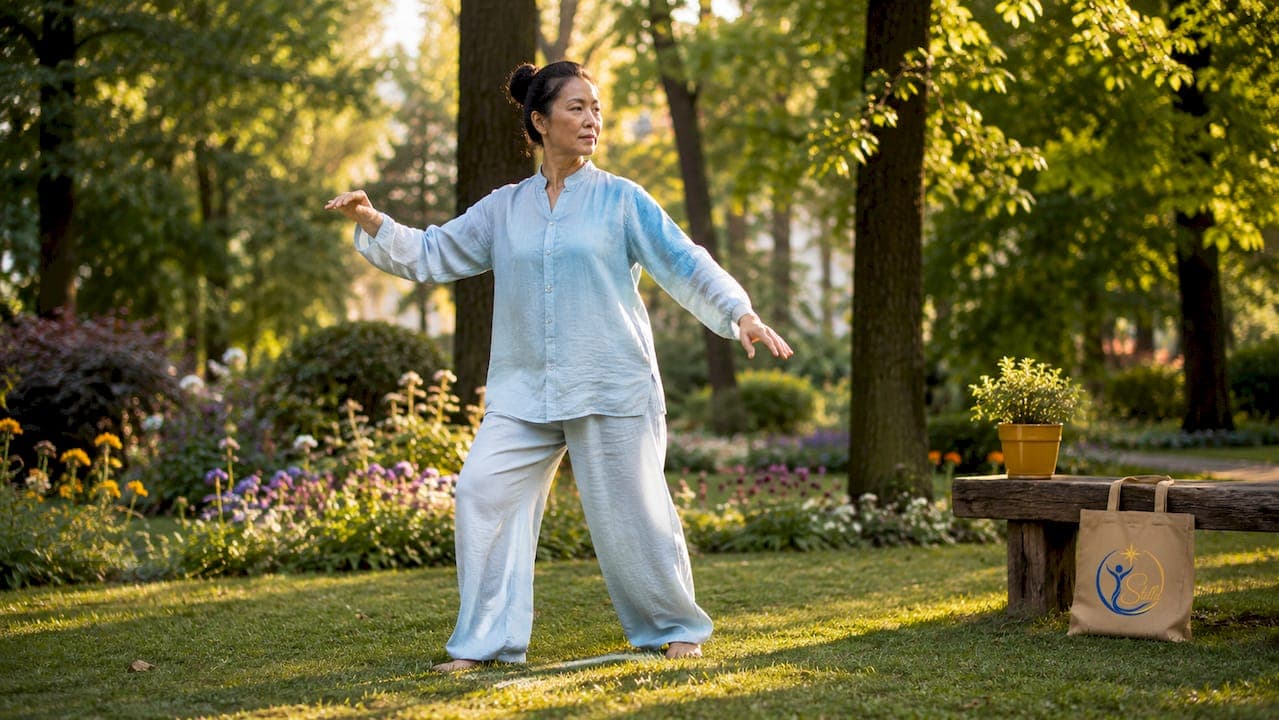
Ancient healing arts for adults are nature-based, holistic practices that predate modern biomedicine and work to restore balance between mind, body, and environment. The World Health Organization recognizes traditional medicine as a structured knowledge system, not a collection of folk remedies. Clinicians increasingly support yoga, meditation, massage, and breathwork as complementary therapies for stress and anxiety in adults. These practices offer something modern medicine rarely does: a framework for daily living, not just symptom management. If you are exploring alternatives to prescription-only care, these traditions give you real tools to work with.
1. What are the top ancient healing arts practiced by adults today?
The most widely practiced ancient healing arts span at least six major traditions, each with a distinct method for calming the nervous system and restoring energy.
Yoga
Yoga is a mind-body practice rooted in Indian philosophy, combining breath regulation, physical postures, and meditation. Adults use it to release physical tension, quiet mental chatter, and build body awareness over time. Regular practice reduces cortisol and supports better sleep, two outcomes that directly address chronic stress. Styles like Yin Yoga and Restorative Yoga are especially gentle and well-suited for adults managing anxiety.
Qigong and Traditional Chinese Medicine
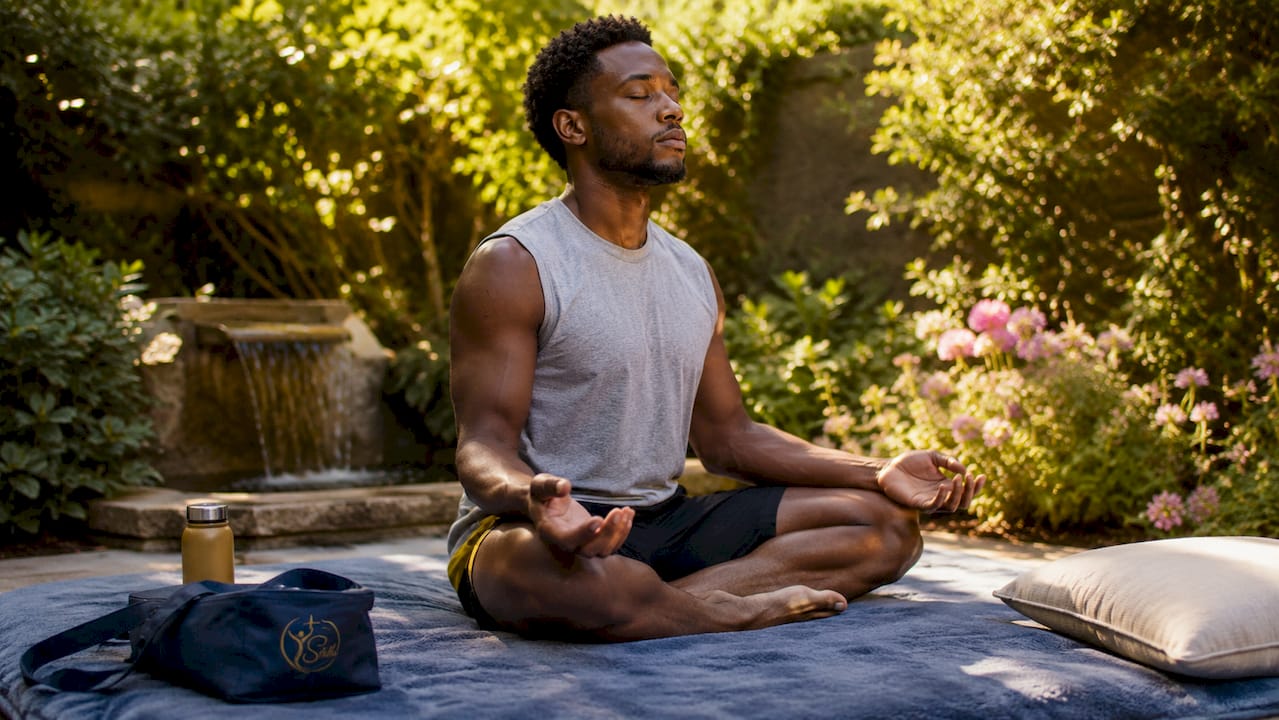
Qigong is a movement-based practice from Traditional Chinese Medicine (TCM) that coordinates slow physical movement, breath, and focused intention. Qigong and Ayurvedic practices are both designed as lifestyle programs targeting deep rejuvenation, not short-term relief. Qigong works by moving "qi," or life energy, through specific pathways in the body to reduce stagnation and tension. Acupuncture, another TCM art, uses fine needles at precise points to regulate energy flow and ease pain or anxiety. Both practices have centuries of clinical application behind them.
Pro Tip: If you are new to Qigong, start with Five Animal Qigong. Each animal form targets a specific organ system, making it easier to connect movement with a felt sense in your body.
Ayurvedic healing
Ayurveda is India's oldest medical system, built on the idea that health depends on balancing three constitutional types called doshas. Kayakalpa, an Ayurvedic rejuvenation protocol, uses diet, herbal therapies, oil massage, and breathwork to restore vitality at a cellular level. Adults dealing with burnout or chronic fatigue often find Ayurvedic approaches more thorough than single-symptom treatments. The system treats the whole person, not just the presenting complaint.
African traditional medicine
African traditional medicine combines herbal remedies, ritual practice, manual therapies, and community-based prevention to maintain biological and spiritual balance. Healing in this tradition is never purely physical. It addresses the social and spiritual dimensions of illness, which makes it particularly effective for stress rooted in relational or existential causes. This tradition is one of the most complete models of preventive care in the world.
Energy healing: Reiki and Healing Touch
Reiki and Healing Touch are energy-based therapies that work by directing subtle energy through the hands to support the body's natural repair processes. Healing Touch and acupressure enhance relaxation and energy balance, making them useful for adults who carry stress as physical tension. Sessions are typically quiet, non-invasive, and deeply calming. Many adults report a noticeable reduction in anxiety after just one session.
Sound healing and meditation
Sound healing uses instruments like singing bowls, gongs, and tuning forks to shift brainwave states and release tension held in the body. Meditation, practiced across Buddhist, Hindu, and Indigenous traditions, trains attention and cultivates a stable inner state. Both practices require no equipment beyond a quiet space and a few minutes of commitment. They are among the most accessible ancient wellness techniques available to adults today.
Herbal therapies
Herbal medicine appears in virtually every ancient healing tradition, from Chinese herbalism to Ayurveda to Indigenous North American plant medicine. Plants like ashwagandha, holy basil, and valerian root have documented effects on the stress response. Herbal therapies work best as part of a broader lifestyle approach, not as standalone supplements. They complement movement and breathwork practices by supporting the body's chemistry from the inside.
2. How do ancient healing arts compare in technique and benefit?
Choosing the right practice depends on your schedule, physical condition, and what kind of stress you carry most.
| Modality | Method | Session length | Primary benefit | Accessibility |
|---|---|---|---|---|
| Yoga | Posture, breath, meditation | 30–90 minutes | Flexibility, calm, body awareness | High: studios, apps, online |
| Qigong | Gentle movement, breath, intention | 20–60 minutes | Stress relief, energy flow, digestion | High: online classes, parks |
| Acupuncture | Needle stimulation at energy points | 45–60 minutes | Pain relief, anxiety reduction | Medium: requires practitioner |
| Ayurveda (Kayakalpa) | Diet, herbs, massage, breathwork | Ongoing program | Deep rejuvenation, burnout recovery | Medium: specialist needed |
| Reiki / Healing Touch | Hands-on energy direction | 30–60 minutes | Relaxation, emotional release | Medium: practitioner or self-practice |
| Sound healing | Instruments, vibration, breath | 30–60 minutes | Deep relaxation, nervous system reset | High: group sessions, recordings |
| Herbal medicine | Plant-based remedies, teas, tinctures | Daily use | Stress chemistry, sleep, digestion | High: home-based |
Mind-body practices like Qigong and yoga suit adults who want a daily self-care routine they can do independently. Hands-on therapies like acupuncture and Reiki work well as periodic resets when stress has built up over weeks. Energy and sound practices fill the gap for adults who need deep relaxation without physical exertion.
Pro Tip: Combine one movement-based practice with one stillness-based practice each week. Qigong in the morning and a short meditation before bed creates a natural rhythm that keeps stress from accumulating.
Integrating traditional and biomedical care produces measurable mental health benefits when both systems work together. That means these practices are most effective when they complement, not replace, your existing medical care.
3. What adults should consider before integrating ancient healing arts
Adopting traditional healing methods takes more than booking a session. It requires a shift in how you think about health.
-
Respect the cultural roots. Cultural respect and avoiding commodification are non-negotiable for effective and ethical practice. Extracting a technique from its cultural context strips it of meaning and can cause harm. Learn where your practice comes from and honor that lineage.
-
Embrace the Inner Healer concept. The "Inner Healer" model places you at the center of your own wellness. These arts work best when you develop self-awareness and take responsibility for daily habits, not just attend sessions.
-
Consult your primary care provider. Transparency between patients and physicians on traditional practice use prevents contraindications and improves outcomes. Tell your doctor what you are doing. Most clinicians welcome the conversation.
-
Commit to lifestyle, not quick fixes. Holistic healing targets root causes through diet, stress management, sleep, and environment. Results come from consistent practice over weeks and months, not a single session.
-
Consider the Two-Eyed-Seeing approach. This model, developed in Indigenous health contexts, combines the strengths of traditional and biomedical knowledge without erasing either. It is a practical framework for adults who want the best of both worlds.
"Preventative attunement through daily living, including diet, activity, and breath, is pivotal. Treating symptoms alone misses the deeper balance these traditions are designed to restore." — Traditional medicines and healing practices
4. Which ancient healing arts work best for busy adults?
Time is the most common barrier adults cite when exploring traditional healing methods. Several practices are specifically designed to fit into a full schedule.
-
Qigong requires as little as 15–20 minutes a day and can be practiced at home or outdoors. Qigongstar's online Qigong classes are structured for adults who need flexibility without sacrificing depth. The White Tiger Qigong and Five Animal Qigong forms taught on the platform are beginner-friendly and grounded in Chinese Medicine principles.
-
Breathwork takes 5–10 minutes and requires nothing but your breath. Techniques like box breathing, 4-7-8 breathing, and diaphragmatic breathing activate the parasympathetic nervous system quickly. Adults who practice daily stress reduction through breathwork report faster recovery from acute stress events.
-
Meditation can be practiced in as little as 10 minutes using guided audio. Apps and online platforms make it easier than ever to build a consistent habit without attending a class.
-
Herbal teas and tinctures integrate into existing routines with no extra time commitment. A cup of ashwagandha or chamomile tea in the evening is a simple, effective way to support the nervous system.
-
Virtual Qigong and yoga classes remove the commute barrier entirely. Qigongstar offers on-demand courses that busy professionals can access at any hour, making it realistic to practice even on the most demanding days. Adults who want structured guidance for Qigong and stress resilience will find step-by-step programs that build progressively.
The key is starting small. One 15-minute practice done consistently outperforms an hour-long session done once a month.
Key takeaways
Ancient healing arts work best when practiced consistently as a lifestyle, not used as occasional remedies for acute stress.
| Point | Details |
|---|---|
| WHO-recognized traditions | Traditional medicine is a structured, nature-based system, not a collection of folk remedies. |
| Top practices for adults | Qigong, yoga, Ayurveda, Reiki, sound healing, and herbal medicine each address stress differently. |
| Cultural respect matters | Effective practice requires honoring the social, moral, and spiritual context of each tradition. |
| Lifestyle over quick fixes | Root-cause healing through diet, breath, movement, and sleep produces lasting results. |
| Consult your doctor | Telling your physician about traditional practice use prevents contraindications and improves care. |
What I have learned from years inside these traditions
My honest perspective on ancient healing arts for adults
Most adults come to these practices looking for relief. That is a fair starting point. But the ones who get the most out of them are the ones who stay long enough to realize they are not just managing stress. They are changing how they live.
The hardest part is not learning the techniques. It is slowing down enough to feel them work. Modern adults often struggle with the introspective, inward-focused elements of practices like sensory withdrawal in Yoga Nidra or the stillness required in deep Qigong standing meditation. That struggle is not a failure. It is the practice itself.
What I have seen consistently is that adults who approach these arts with cultural curiosity, rather than just looking for a wellness hack, get far deeper results. When you understand that Qigong emerged from centuries of Chinese medical observation, or that African healing traditions treat illness as a community event, you stop treating the practice as a product and start treating it as a relationship.
My strongest advice: be transparent with your medical team. These arts are not alternatives to medicine. They are partners to it. The future of wellness is integrative, and you do not have to choose sides.
— Stella
Gentle ways to begin your practice with Qigongstar
If you are ready to move from curiosity to consistent practice, Qigongstar offers a clear starting point.
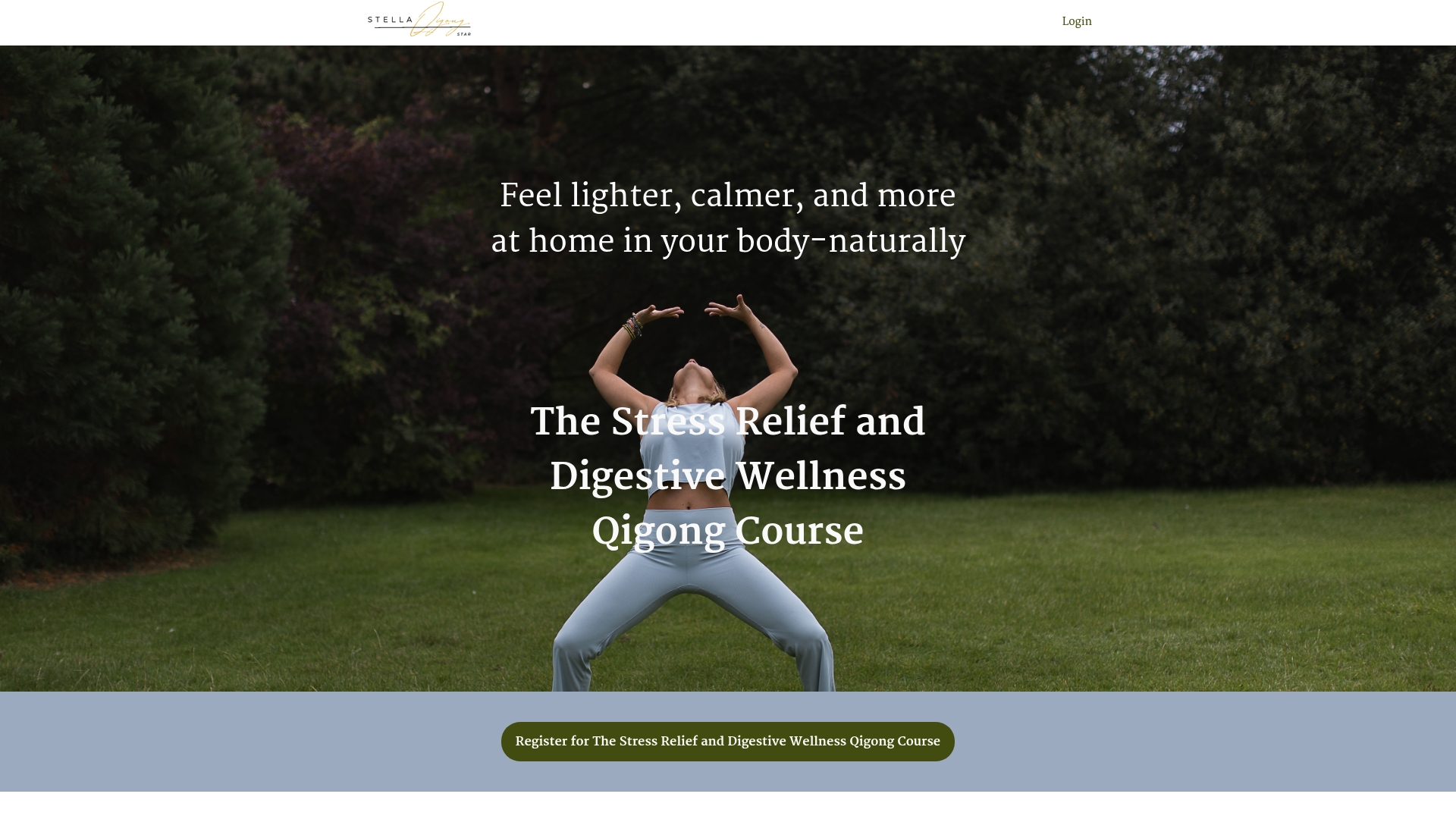
Qigongstar's online courses and classes are built for adults who want structured, culturally grounded instruction in Qigong and related mind-body practices. Courses in White Tiger Qigong and Five Animal Qigong are available on demand, so you practice on your schedule. Each program is designed to soothe stress, support digestion, and awaken your energy through gentle movement and breath. Instructors are certified by the White Tiger Qigong School and Yoga Alliance, bringing professional standards to every session. Whether you are a complete beginner or returning to practice, Qigongstar gives you the tools to build a routine that actually holds.
FAQ
What are ancient healing arts for adults?
Ancient healing arts for adults are traditional, nature-based practices like Qigong, yoga, Ayurveda, and acupuncture that restore mind-body balance. The World Health Organization recognizes these as structured knowledge systems predating modern biomedicine.
Which ancient healing art is best for stress relief?
Qigong and yoga are the most accessible and well-supported options for adult stress relief, combining breath, movement, and mindfulness in a single practice. Both can be done at home with minimal equipment.
Are ancient healing arts safe to use alongside medical treatment?
Yes, when you inform your physician. Transparency between patients and doctors on traditional practice use prevents contraindications and improves overall care outcomes.
How long does it take to see results from these practices?
Consistent daily practice over several weeks produces noticeable changes in stress levels, sleep quality, and energy. Single sessions provide temporary relief, but lasting results come from lifestyle integration.
Can I learn ancient healing arts online?
Yes. Platforms like Qigongstar offer on-demand Qigong courses designed for beginners and busy adults, making traditional mind-body therapies accessible without attending in-person classes.