
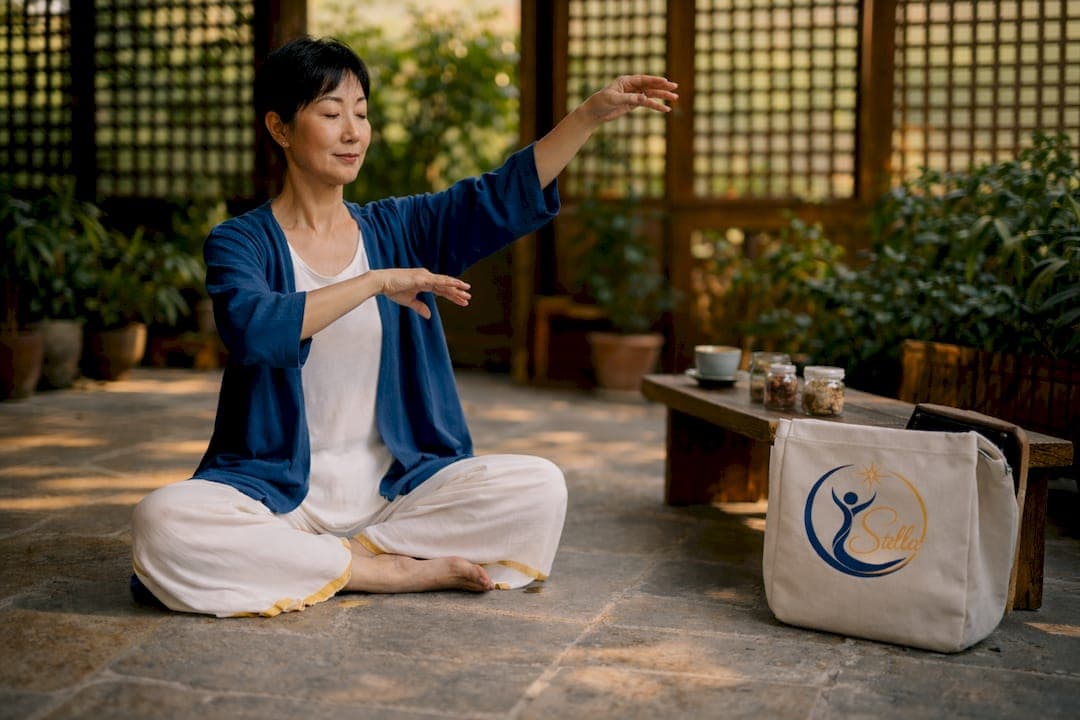
Ancient Chinese healing is defined as a complete medical system that restores health by regulating Qi, the body's vital life force, through personalized therapies rooted in Yin-Yang balance and Five Elements theory. Known formally as Traditional Chinese Medicine (TCM), this practice spans over 2,500 years and encompasses herbal medicine, acupuncture, Tuina massage, Qigong, Tai Chi, and dietary therapy. Understanding how ancient Chinese healing works means recognizing that it treats the whole person, not just isolated symptoms. The goal is always dynamic balance: between body and mind, between internal organs, and between you and the natural world around you.
How ancient chinese healing works: qi, yin-yang, and five elements
TCM is built on three interlocking frameworks that explain both how health arises and how illness develops.
Qi is the vital life force that circulates through invisible channels called meridians. When Qi flows freely, the body stays healthy, energized, and calm. When Qi stagnates or becomes depleted, physical and emotional symptoms follow. Think of Qi like water moving through a garden irrigation system. If one channel gets blocked, certain areas dry out while others flood.
Yin and Yang represent opposing yet complementary forces within the body. Yin governs cooling, rest, and nourishment. Yang governs warmth, activity, and transformation. TCM views health as a dynamic balance of Yin and Yang, aiming to harmonize the body with its environment rather than simply suppressing symptoms. This means a practitioner looks at whether you run hot or cold, restless or fatigued, before prescribing anything.
The Five Elements (Wood, Fire, Earth, Metal, Water) map the body's organs, emotions, and seasonal rhythms onto a single interconnected system. Each element corresponds to specific organs and emotional states. Wood connects to the liver and anger. Water connects to the kidneys and fear. You can explore how the Five Elements shape health in detail to see how this framework applies to your own patterns.
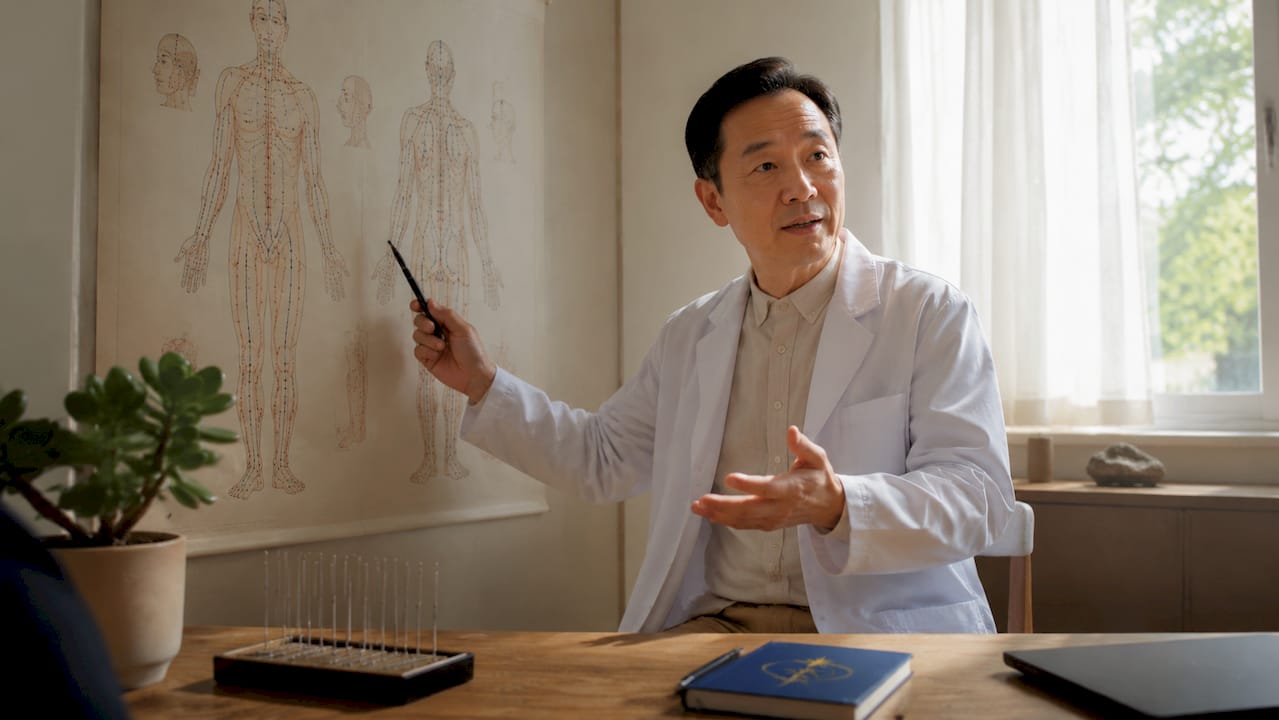
Diagnosis in TCM uses a method called Bian Zheng Lun Zhi, or pattern differentiation. Practitioners assess pulse and tongue coating to identify root imbalances like "damp-cold constraint" before choosing any treatment. This approach means two people with the same headache might receive completely different therapies, because the underlying pattern differs.
Key signs a TCM practitioner evaluates include:
- Pulse quality (floating, deep, wiry, slippery)
- Tongue color, coating, and shape
- Skin tone and complexion
- Emotional and sleep patterns
- Digestive function and appetite
What are the main traditional chinese healing techniques?
TCM uses several distinct methods, and they work best together rather than in isolation.
-
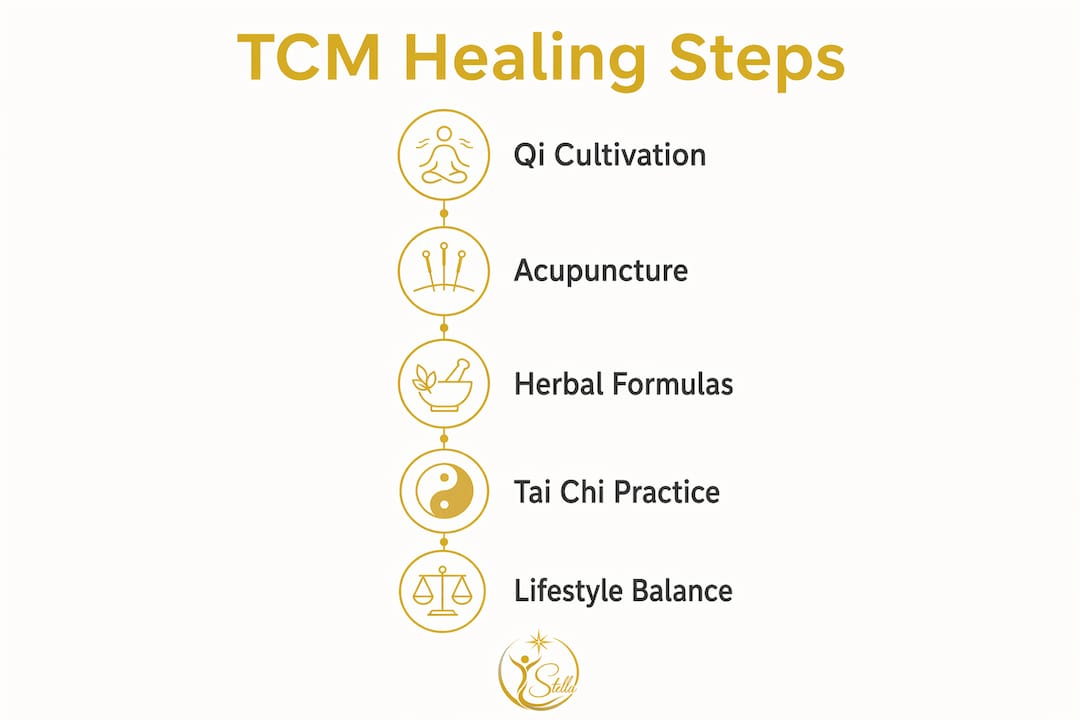
Herbal medicine forms the backbone of most TCM treatment plans. Practitioners prescribe formulas containing multiple herbs that work together synergistically. The decoction boiling process causes chemical self-assembly, forming bioactive precipitates that enhance efficacy and reduce toxicity in ways that no single herb achieves alone. This preparation science is rarely discussed in simplified wellness guides, yet it is central to why TCM formulas outperform isolated plant extracts.
-
Acupuncture involves inserting fine needles at specific points along the meridians to regulate Qi flow. Modern research confirms that acupuncture stimulates the nervous system, releases endorphins, and modulates inflammatory pathways. How acupuncture promotes wellness goes beyond placebo: it produces measurable changes in brain activity and blood chemistry.
-
Tuina massage applies rhythmic pressure and manipulation along meridian pathways to release tension, improve circulation, and restore physical balance. Gua Sha, a related technique, uses a smooth tool to scrape the skin and stimulate blood flow beneath the surface, often releasing deep-held tension in the muscles and fascia.
-
Qigong and Tai Chi are mind-body practices that combine slow, intentional movement with breath regulation and focused awareness. Both practices cultivate Qi directly, making them among the most accessible entry points into traditional Chinese healing practices for beginners.
-
Cupping places heated glass or silicone cups on the skin to create suction, drawing stagnant blood and Qi to the surface. Moxibustion burns dried mugwort near acupuncture points to warm and stimulate Qi flow, particularly useful for cold-pattern conditions.
-
Jade therapy applies cooled or warmed jade stones to the body based on the patient's constitution. Jade carries a thermal conductivity of 2.5–3.2 W/m·K and leaches magnesium and calcium ions under skin contact, producing measurable physiological effects rather than purely symbolic ones.
Pro Tip: If you are new to TCM, start with Qigong or Tai Chi before exploring acupuncture or herbal formulas. These movement practices build your awareness of Qi and body patterns, which makes every other TCM modality more effective when you add it later.
What does science say about how TCM improves health?
Modern research is steadily confirming what TCM practitioners have observed for centuries.
The most compelling evidence comes from herbal formula studies. The formula Huanglian Jiedu Decoction exhibits a 2.63% self-precipitation rate during boiling, forming bioactive complexes that enhance neuroprotection beyond what any single herb achieves. This matters because it proves the preparation method itself is therapeutic, not just the individual ingredients.
Clinical outcomes support the system-level approach. A 6-week integrated TCM program can improve insomnia sleep efficiency from 62% to 89% and increase slow-wave sleep by 34%. That is a clinically significant result that rivals pharmaceutical sleep aids, without the dependency risks.
Jade therapy offers another striking example of TCM's nuanced precision. Applying cooled jade to a person with a yin-deficient heat pattern paradoxically raises fingertip temperature by 0.8°C within 90 seconds, while the same treatment causes a 0.3°C decrease in a balanced individual. This paradoxical response only makes sense through the lens of pattern differentiation. It would look like a contradiction without that framework.
| Research Area | Finding | Implication |
|---|---|---|
| Herbal synergy | Boiling creates bioactive precipitates | Preparation method is part of the medicine |
| Sleep and neurology | Sleep efficiency rises from 62% to 89% in 6 weeks | TCM rivals pharmaceutical sleep interventions |
| Jade therapy | 0.8°C temperature rise in yin-deficient patients | Pattern differentiation predicts physiological response |
| Multi-target action | TCM modulates multiple cellular pathways simultaneously | Treats whole-person conditions, not single symptoms |
"TCM treatments function via multi-target synergistic mechanisms, modulating multiple cellular pathways and immune responses rather than acting on a single compound or organ system."
This systemic approach is what separates TCM from most Western pharmaceutical models. Rather than targeting one receptor or pathway, TCM formulas and therapies work across the whole body simultaneously.
How does TCM use lifestyle and prevention to sustain balance?
Ancient Chinese healing does not wait for illness to appear. The concept of Yang Sheng, meaning "nurturing life," places prevention at the center of the entire system.
TCM emphasizes treating potential disease through Yang Sheng practices that strengthen resilience before imbalances become symptoms. This is a fundamentally different relationship with health than most Western approaches offer. You are not managing disease. You are cultivating vitality.
Seasonal alignment is one of the most practical applications of this philosophy:
- Spring (Wood/Liver): Eat lightly, move more, release emotional tension through gentle stretching and Qigong
- Summer (Fire/Heart): Stay cool, nourish the heart with joy and connection, avoid overexertion
- Late Summer (Earth/Spleen): Eat warm, cooked foods to support digestion and mental clarity
- Autumn (Metal/Lung): Protect the lungs, reduce cold foods, practice breathwork
- Winter (Water/Kidney): Rest deeply, conserve energy, support the kidneys with warming foods and restorative practices
Qigong and Tai Chi fit naturally into this seasonal rhythm. Both practices are gentle enough to practice daily and adapt to whatever season or energy level you bring. Explore how TCM supports digestion and stress through these daily habits to see how small, consistent practices create lasting change.
Ancient diagnostics also personalize preventive care. A practitioner who identifies a tendency toward Kidney Yang deficiency will recommend warming foods, early bedtimes, and specific Qigong exercises long before any serious illness develops. This is precision wellness, grounded in thousands of years of observation.
Pro Tip: Begin your Yang Sheng practice with one simple habit: eat warm, cooked breakfasts instead of cold smoothies or raw foods. This single change supports Spleen Qi, the digestive center in TCM, and many people notice improved energy and reduced bloating within two weeks.
Key takeaways
Ancient Chinese healing works by restoring Qi flow and Yin-Yang balance through interconnected therapies, personalized diagnosis, and daily lifestyle practices rooted in Five Elements theory.
| Point | Details |
|---|---|
| Qi and meridians are central | Health depends on free Qi flow through meridians; blockage or depletion causes illness. |
| Pattern differentiation guides treatment | Practitioners assess pulse and tongue to find root imbalances before prescribing any therapy. |
| Herbal synergy is scientifically real | Boiling formulas creates bioactive compounds that outperform individual herbs in clinical studies. |
| Prevention is built into the system | Yang Sheng practices align diet and movement with seasonal cycles to strengthen resilience daily. |
| Qigong is the most accessible entry point | Gentle movement and breathwork cultivate Qi directly and support every other TCM modality. |
Why ancient chinese healing deserves more than curiosity
I have spent years studying and teaching Qigong, and the single biggest misconception I encounter is that TCM is a collection of exotic remedies. People try acupuncture once for back pain, or drink a herbal tea for stress, and then wonder why the results feel inconsistent. The reason is almost always the same: they are using individual tools without understanding the system behind them.
What genuinely changed my practice was learning pattern differentiation. Once you understand that two people with identical symptoms can have opposite underlying patterns, you stop looking for the one herb or the one exercise that fixes everything. You start listening to your body with much more precision. That shift alone is worth more than any single technique.
The other thing I want you to know is that TCM and Western medicine are not rivals. They address different layers of health. Western medicine excels at acute intervention and structural diagnosis. TCM excels at restoring functional balance and preventing chronic deterioration. Used together, they cover far more ground than either does alone.
If you are new to this world, I encourage you to start with the principles, not just the practices. Read about longevity practices in ancient Chinese medicine to understand the philosophy before you pick up a single herb or attend your first class. That foundation will make everything else click into place.
— Stella
Start your qigong practice with Qigongstar
If ancient Chinese healing has sparked something in you, Qigong is the most natural place to begin. It requires no equipment, no prior experience, and no special physical condition. You simply show up, breathe, and move with intention.
Qigongstar offers structured online courses in Five Animal Qigong and White Tiger Qigong, both rooted in classical TCM principles and taught by a certified instructor. These courses are designed specifically for stress relief, digestive wellness, and energetic balance. Whether you have 10 minutes a day or a full hour, you can begin building a practice that gently awakens your energy and supports your body from the inside out. Explore online Qigong classes and find the course that fits where you are right now.
FAQ
What is qi in ancient chinese healing?
Qi is the vital life force that circulates through the body via pathways called meridians. When Qi flows freely and in balance, the body maintains health; when it stagnates or depletes, illness follows.
How does acupuncture promote wellness?
Acupuncture inserts fine needles at specific meridian points to regulate Qi flow, stimulate the nervous system, and modulate inflammation. Research confirms it produces measurable changes in brain activity and endorphin release.
Are TCM herbal formulas scientifically proven to work?
Yes. Studies show that boiling TCM herbal formulas creates bioactive compounds through chemical self-assembly, and a 6-week integrated TCM program has been shown to improve sleep efficiency from 62% to 89%.
What is the difference between qigong and tai chi?
Both are mind-body practices that cultivate Qi through slow, intentional movement and breath regulation. Tai Chi follows a martial arts lineage with structured sequences, while Qigong focuses more directly on energy cultivation and can include stationary postures.
Can ancient chinese healing practices work alongside western medicine?
TCM and Western medicine address different layers of health and are most effective when used together. TCM focuses on restoring functional balance and preventing chronic decline, while Western medicine excels at acute intervention and structural diagnosis.