

A self-paced online course is a learning format where you control when and how fast you complete course content, with no fixed class schedule and no requirement to log in at the same time as other students. Unlike traditional classroom programs or live webinars, these courses let you move through pre-recorded lessons, quizzes, and interactive activities entirely on your own timeline. Platforms like Coursera, D2L, and Scrum.org have built entire catalogs around this format, and the numbers reflect why. 80% of online learners rank scheduling flexibility as a top priority when choosing how to learn. For anyone balancing work, family, or a wellness practice, that freedom is not a luxury. It is the whole point.
What is a self-paced online course and how does it work?
A self-paced online course is defined by learner-controlled timing and sequence, meaning you decide when to start, how long to spend on each lesson, and when to complete assessments. This separates it from general asynchronous learning, which may still include weekly deadlines or cohort-based schedules. The self-paced model removes those external time constraints entirely, placing the responsibility and the freedom squarely with you.
In practice, most self-paced courses are built from pre-recorded lessons and on-demand activities such as quizzes, video demonstrations, branching scenarios, and downloadable resources. None of these require simultaneous login from other students or a live instructor. You watch a lesson at 6 a.m. before work, pause it, and return at 10 p.m. if that suits your day. The course does not care. It waits.
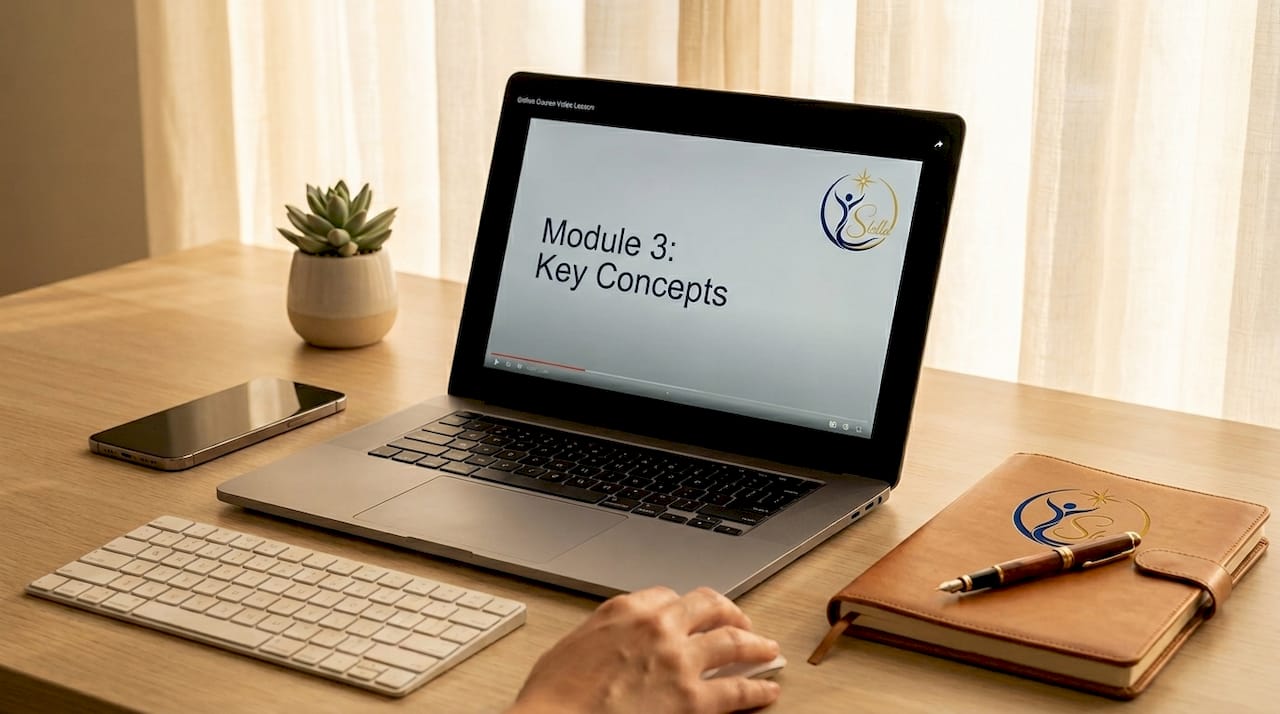
Course structure varies more than the label suggests. Many programs, including college-level offerings, grant access to all materials on the start date with a flexible assessment window of up to six months. Module order is often recommended but not enforced. Others use a drip model, releasing content in weekly batches regardless of how quickly you move. Scrum.org's self-paced leadership course, for example, provides interactive materials with estimated completion times but no fixed deadlines, which is a clean example of structured freedom.
Here is what a typical self-paced course includes:
- Pre-recorded video lessons you can pause, rewind, and rewatch as many times as you need
- On-demand quizzes and knowledge checks that reinforce learning without a timed exam environment
- Branching scenarios or case studies that let you apply concepts at your own pace
- Downloadable guides or workbooks to support offline reflection and practice
- Progress tracking dashboards so you always know where you stand
Pro Tip: Before enrolling, check whether the course uses drip content or grants full access on day one. Full access gives you genuine pace control. Drip content limits it, even if the course is marketed as self-paced.
What are the key benefits of self-paced learning online?
The most significant benefit of self-paced learning online is schedule control. You are not locked into a Tuesday evening Zoom call or a Monday morning lecture. You learn when your energy and attention are at their best, whether that is early morning, late at night, or during a quiet lunch break. For busy professionals, caregivers, and wellness-focused individuals managing chronic stress or health conditions, this flexibility is genuinely life-changing.
A second major advantage is learner ownership. When you can rewatch a lesson three times or skip ahead to a section you already understand, you take an active role in your own education. That sense of agency builds confidence and deepens retention. You are not passively absorbing content on someone else's schedule. You are curating your own learning experience.
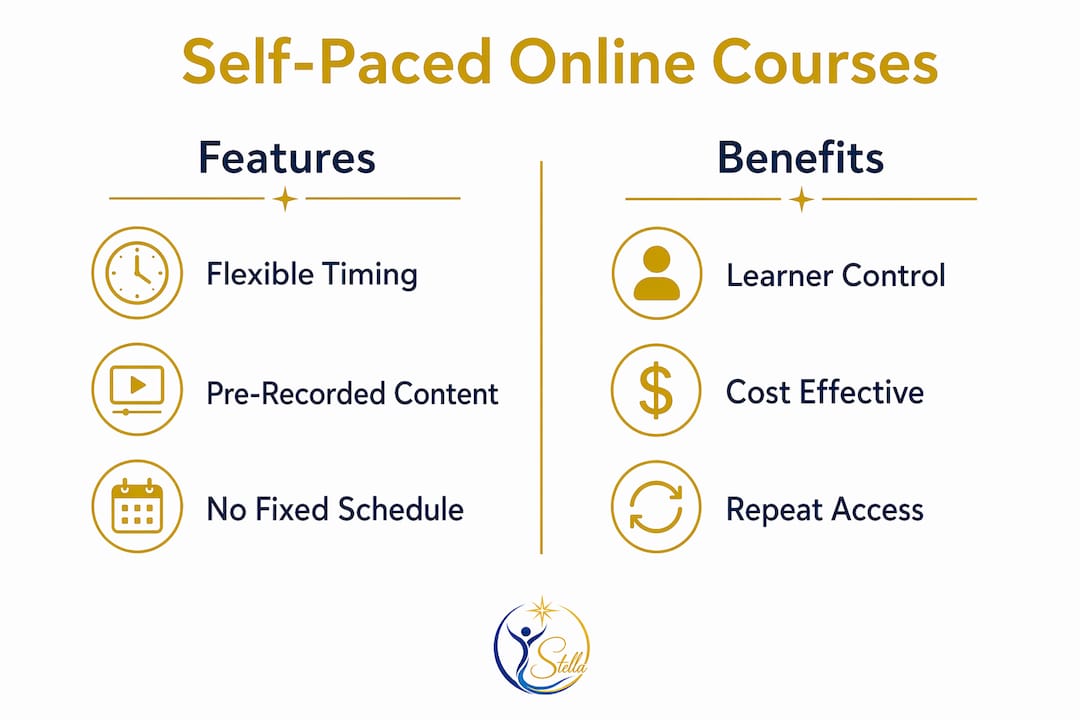
Cost is another practical factor. Self-paced courses typically cost less than live cohort programs because they require less real-time instructor involvement per learner. Platforms can serve thousands of students simultaneously without scaling instructor hours proportionally. That saving often passes to you. Many wellness and professional development courses on platforms like Teachable and Kajabi are priced significantly lower than their live equivalents for exactly this reason.
The EDUCAUSE 2026 report found that 77% of learners favor asynchronous online formats specifically to manage other responsibilities. That figure tells you something important: the demand for flexible learning is not a trend. It is a structural shift in how people expect education to fit into their lives.
Key advantages at a glance:
- Flexibility to learn around work, family, and health commitments
- Repeatable access to lessons for deeper understanding and review
- Lower cost compared to live or cohort-based programs
- Reduced pressure from real-time performance anxiety
- Accessibility for learners across different time zones and schedules
For those exploring on-demand wellness learning, these advantages translate directly into a gentler, more sustainable path to building new habits.
How does self-paced learning compare to synchronous and asynchronous formats?
Self-paced learning is a subset of asynchronous learning, but the two are not the same thing. Asynchronous learning simply means learning that does not happen in real time. A course with weekly discussion board deadlines and a fixed 12-week cohort is technically asynchronous. A self-paced course removes those structural time constraints entirely, giving you full control over pace rather than just the absence of live sessions.
Synchronous learning, by contrast, requires everyone to be present at the same time. Live webinars, real-time workshops, and scheduled group calls all fall into this category. The social energy of synchronous formats can be motivating, but they demand schedule alignment that many learners simply cannot commit to.
| Format | Schedule control | Deadlines | Live interaction | Best for |
|---|---|---|---|---|
| Synchronous | None | Fixed | Yes | Community-driven learning |
| Asynchronous (cohort) | Partial | Weekly | No | Structured independent study |
| Self-paced | Full | Flexible or none | No | Busy, self-directed learners |
A 2025 randomized controlled trial comparing recorded self-paced lectures to synchronous webinars found no significant difference in knowledge outcomes between the two formats. Learners in both groups retained information equally well. What did differ was motivation: synchronous participants reported higher intrinsic motivation, while self-paced learners showed a stronger preference for the flexible platform format. This finding matters because it reframes the question. The format itself is not the deciding factor in how much you learn.
"Course quality and engagement strategies affect learning outcomes more than whether a course is synchronous or asynchronous." — Randomized controlled trial findings, 2025
The practical takeaway is this: choose the format that fits your life, then choose a course with strong design. A well-built self-paced course with checkpoints, interactive elements, and clear outcomes will serve you better than a poorly designed live class every time.
What practical tips help you succeed in self-paced online courses?
Success in a self-paced format depends more on your habits than on the course itself. Without external deadlines, procrastination becomes the single biggest obstacle. The good news is that a few deliberate practices can close that gap entirely.
- Set your own deadlines. Block specific times in your calendar for course sessions, just as you would for a live class. Treat them as non-negotiable appointments with yourself.
- Define your outcome before you start. Know exactly what you want to be able to do or understand by the end. A clear goal keeps you moving when motivation dips.
- Use the course's built-in checkpoints. Effective self-paced programs include progress feedback and accountability structures like quizzes and module summaries. Use them actively, not just as boxes to check.
- Evaluate the course structure before enrolling. Check whether content is fully available from day one or released in drips. Understand the enrollment window and assessment deadlines so you can plan realistically.
- Engage with every interactive element. Branching scenarios, reflection prompts, and practice exercises are not optional extras. Learner outcomes depend on self-regulated learning supports and well-designed interactive elements embedded in the content.
Pro Tip: If you find yourself stalling, revisit your original reason for enrolling. Reconnecting with your "why" is often more effective than adding more structure. For wellness courses especially, the motivation is personal. Let it stay personal.
When evaluating any self-paced program, use a structured checklist. Qigongstar's holistic health course checklist is a practical starting point for assessing course quality, instructor credentials, and learning design before you commit.
Key takeaways
Self-paced online courses give you full control over timing and pace, and recent research confirms they deliver knowledge outcomes equal to live formats when the course design is strong.
| Point | Details |
|---|---|
| Definition of self-paced | Learner controls timing and sequence with no fixed schedule or live instruction required. |
| How courses are structured | Most use pre-recorded lessons, quizzes, and interactive activities accessible on demand. |
| Flexibility drives preference | 80% of online learners prioritize scheduling flexibility, according to EDUCAUSE 2026 data. |
| Outcomes match synchronous | A 2025 trial found equal knowledge retention between self-paced and live webinar formats. |
| Success requires self-regulation | Setting personal deadlines and using built-in checkpoints prevents procrastination and dropout. |
Why I believe self-paced learning is the most honest format available
I have spent years teaching qigong and wellness practices to people who come to me exhausted, overscheduled, and quietly convinced that they do not have time to take care of themselves. What I have noticed is that the format of learning matters far less than whether the format respects your actual life. Self-paced courses do that in a way that very few other structures manage.
What I find most honest about self-paced learning is that it does not pretend your life is simpler than it is. It does not ask you to rearrange your Tuesday evenings or apologize for missing a live session. It says: here is the knowledge, here is the practice, come when you are ready. That is a profoundly respectful way to teach.
The one caution I would offer is this: not every course that calls itself self-paced actually is. Some drip content weekly and lock modules behind completion gates. Before you enroll anywhere, read the course structure carefully. Ask whether you get full access on day one. Ask what happens if you need to pause for a week. The answers will tell you whether the course was designed for your convenience or for the platform's retention metrics.
For wellness learning specifically, the self-paced format aligns beautifully with the practice itself. Qigong, breathwork, and mindful movement are not things you rush. They unfold at the pace your body and energy allow. A course that mirrors that rhythm is not just convenient. It is congruent.
— Stella
Explore flexible self-paced wellness courses with Qigongstar
If you are drawn to self-paced learning because you want to nurture your health on your own schedule, Qigongstar offers exactly that kind of experience.
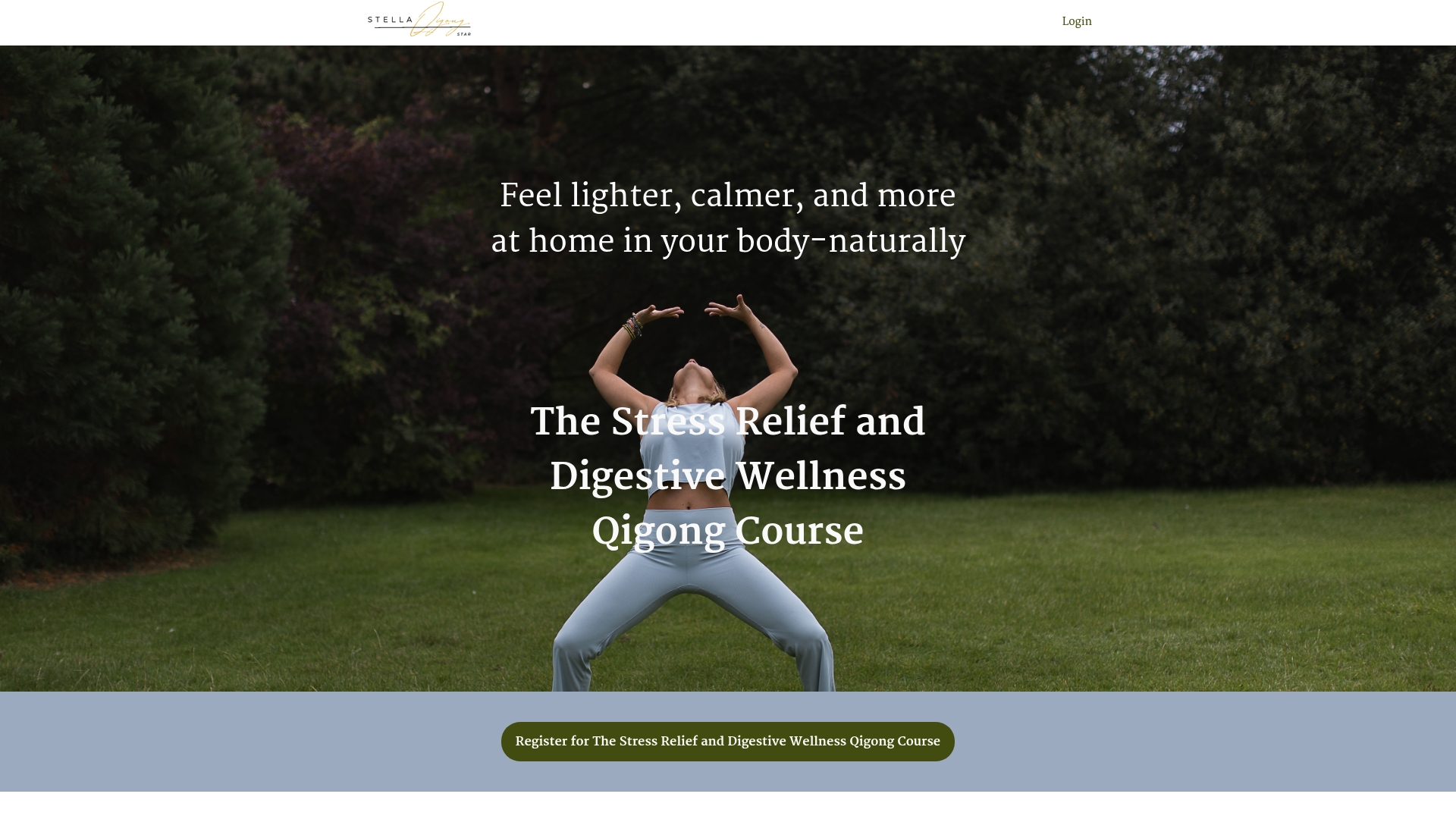
Qigongstar's online qigong courses are designed for busy, health-conscious individuals who want to soothe stress, support digestive wellness, and awaken their energy through gentle, mindful movement. Every course is available on demand, certified by the White Tiger Qigong School and Yoga Alliance, and built to meet you wherever you are in your wellness journey. Whether you are brand new to qigong or deepening an existing practice, you can explore the Five Animal Qigong program and begin at a pace that feels right for you. No live sessions to schedule around. No pressure. Just practice, at your own pace.
FAQ
What is a self-paced online course?
A self-paced online course lets you control when and how fast you complete course content, with no fixed schedule or live instruction required. You access pre-recorded lessons, quizzes, and activities on demand, at any time that suits you.
How do self-paced courses differ from asynchronous courses?
Self-paced is a type of asynchronous learning, but asynchronous courses can still include weekly deadlines or cohort structures. True self-paced courses remove those time constraints entirely, giving you full control over your learning schedule.
Are self-paced courses as effective as live classes?
Yes. A 2025 randomized controlled trial found no significant difference in knowledge outcomes between self-paced recorded lectures and synchronous webinars. Course design quality matters more than the format itself.
What is the biggest challenge with self-paced learning?
Procrastination is the most common obstacle. Without external deadlines, lack of accountability can lead to stalling or dropout. Setting personal deadlines and using built-in course checkpoints addresses this directly.
How do I know if a course is truly self-paced?
Check whether you get full access to all content on the start date and whether assessments have flexible or no deadlines. Courses that release content in weekly drips or lock modules behind completion gates are not fully self-paced, even if they use that label.