
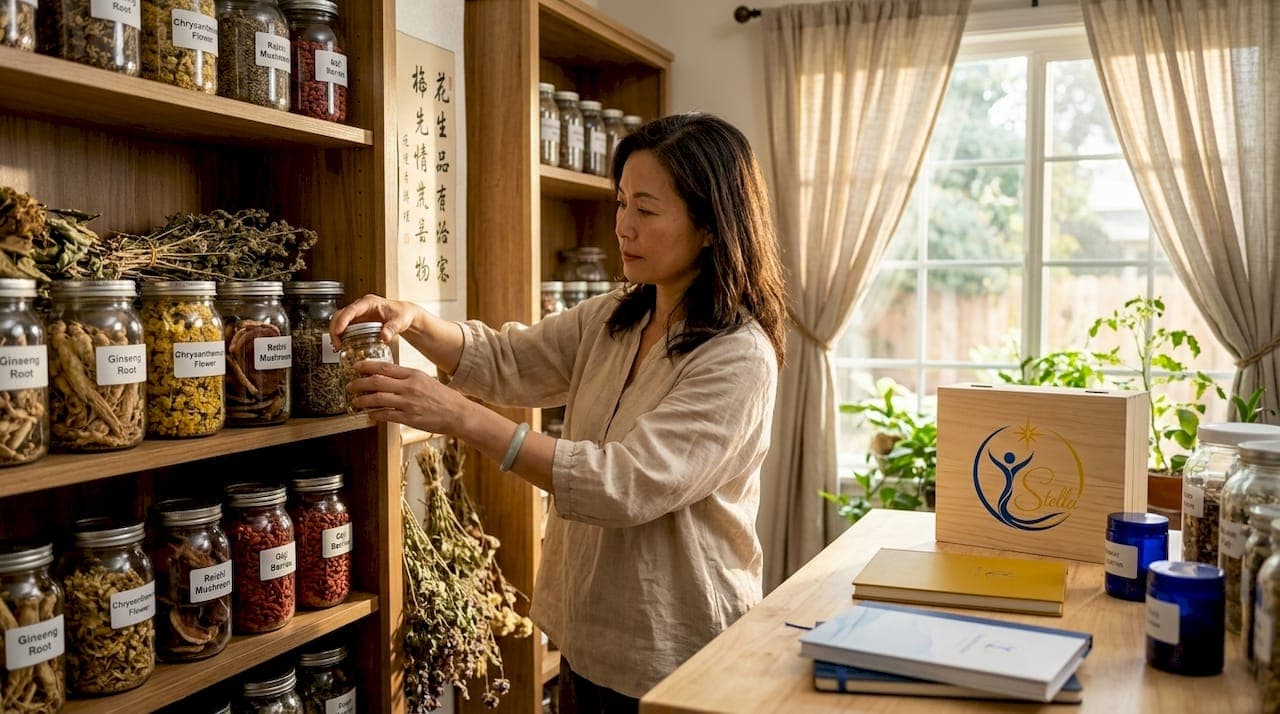
Traditional Chinese Medicine (TCM) defines the role of nature in Chinese medicine as the primary framework through which the body is understood, diagnosed, and healed. The body is not seen as a separate system but as a living reflection of the natural world, shaped by seasonal rhythms, elemental forces, and the continuous flow of qi. The Huangdi Neijing, the foundational classical text of TCM, integrates physiology, climate, and prevention as inseparable pillars of health. When you understand how nature shapes your internal landscape, you gain a genuinely different lens for supporting your own vitality.
How the role of nature in Chinese medicine shapes the Five Elements framework
The Five Elements theory is the clearest expression of nature's role in TCM diagnosis and treatment. According to classical texts, the Five Elements represent dynamic patterns observed in nature, not literal physical substances. Wood, Fire, Earth, Metal, and Water each describe a quality of movement and transformation that mirrors processes found in the body, the seasons, and the environment simultaneously.
Each element maps to a specific organ system, season, emotion, and physiological process. This correspondence is not symbolic decoration. Practitioners use it to identify where a pattern of imbalance originates and which treatment approach will restore flow. Two people presenting with the same symptom, say, chronic fatigue, may receive entirely different treatments because one shows a Wood imbalance and the other a Water deficiency. Nature's pattern language explains why.
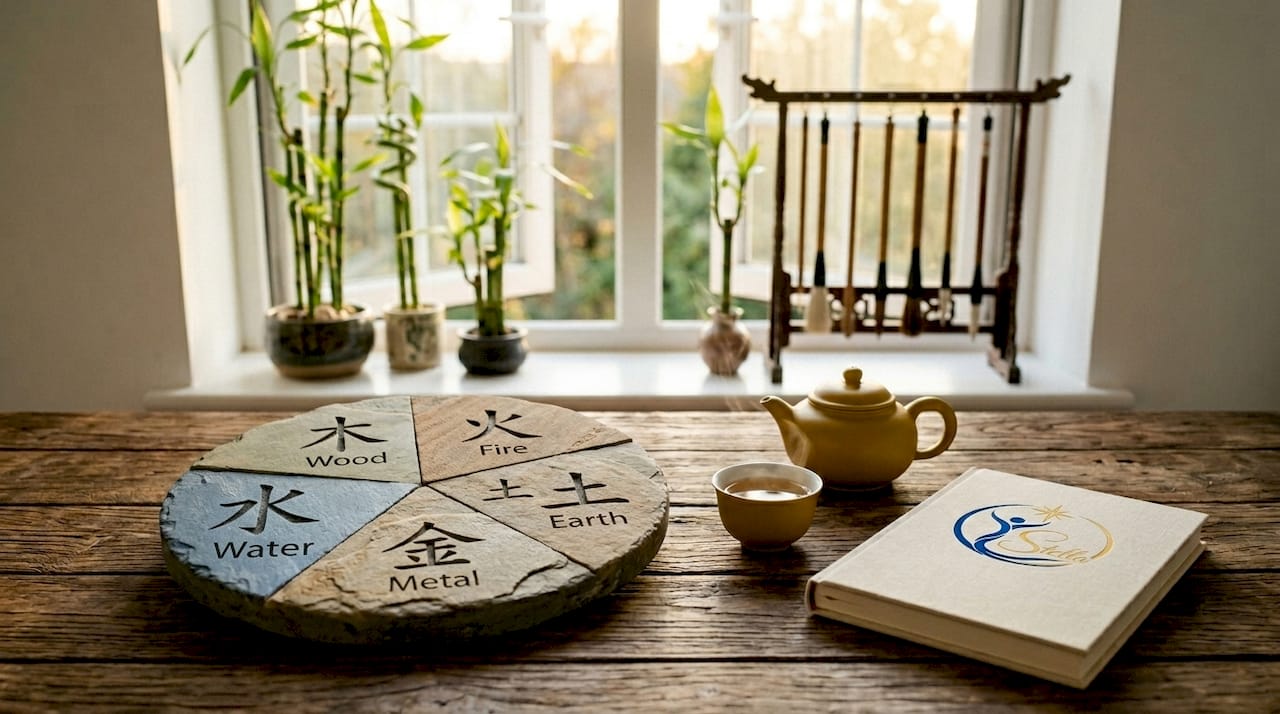
The two organizing principles within this framework are the Generating Cycle and the Controlling Cycle. The Generating Cycle describes how each element nourishes the next: Wood feeds Fire, Fire creates Earth, Earth produces Metal, Metal collects Water, and Water nourishes Wood. The Controlling Cycle describes how each element keeps another in check, preventing excess. Together, these cycles model the self-regulating quality of healthy natural systems, and by extension, a healthy body.
| Element | Season | Organ system | Emotion | Natural quality |
|---|---|---|---|---|
| Wood | Spring | Liver / Gallbladder | Anger / Vision | Growth, expansion |
| Fire | Summer | Heart / Small Intestine | Joy / Excitement | Warmth, rising |
| Earth | Late summer | Spleen / Stomach | Worry / Pensiveness | Nourishment, centering |
| Metal | Autumn | Lung / Large Intestine | Grief / Letting go | Contraction, clarity |
| Water | Winter | Kidney / Bladder | Fear / Stillness | Storage, depth |
Key clinical applications of the Five Elements include:
- Identifying which organ system is most stressed by observing seasonal symptoms
- Matching herbal formulas to elemental qualities rather than isolated biochemical targets
- Using emotional patterns as diagnostic signals alongside physical symptoms
- Timing treatments and lifestyle changes to align with the active seasonal element
For a deeper look at how this framework maps to your own health patterns, the Qigongstar guide on TCM Five Elements offers a clear and practical starting point.
How seasonal cycles regulate organ health and qi in TCM
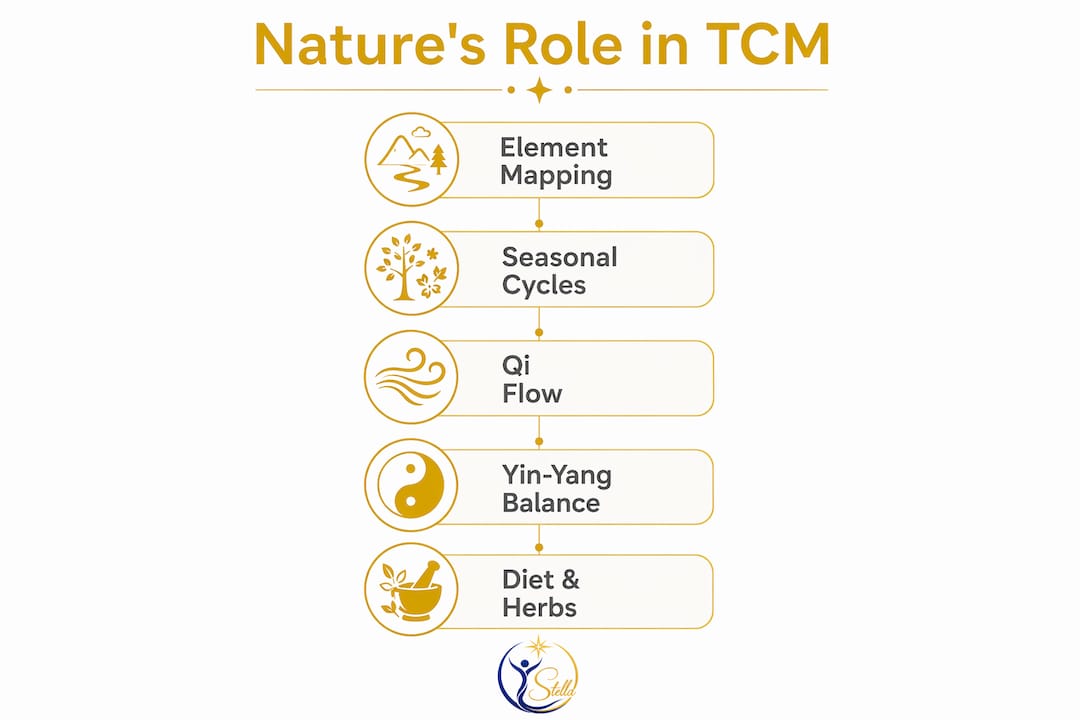
TCM treats the seasons as active forces that directly shape your internal qi. Disrupting these seasonal cycles often leads to specific disease tendencies, which is why seasonal alignment is treated as prevention, not just lifestyle preference. Each season calls for different behaviors, foods, sleep patterns, and emotional orientations.
The seasonal correspondences work like this:
- Spring (Wood / Liver): Energy rises and expands. The liver governs the smooth flow of qi, and spring is when it is most active and most vulnerable. Gentle movement, early rising, and foods that support liver qi, such as leafy greens and lightly cooked vegetables, help the body adapt. Spring qi nourishes the liver and supports overall vitality through the year.
- Summer (Fire / Heart): Yang energy peaks. The heart governs circulation and emotional warmth. Cooling foods, adequate rest during midday heat, and joyful social connection support the heart's function during this season.
- Autumn (Metal / Lung): Energy begins to contract and descend. The lungs govern breath and the body's defensive qi. Warming, moistening foods and practices that support letting go, both physically and emotionally, protect the lungs as the air dries.
- Winter (Water / Kidney): Yin energy deepens. The kidneys store the body's foundational essence. Rest, warmth, and minimal exertion preserve kidney qi through the coldest months. This is the season for restoration, not depletion.
TCM also recognizes temporal cycles beyond the four seasons. Day and night rhythms, as well as the 24 solar terms of the traditional Chinese calendar, are critical for nourishing qi through timing and moderation. This level of specificity is what separates TCM's seasonal guidance from generic wellness advice.
Pro Tip: If you notice that your energy, digestion, or mood shifts noticeably with the seasons, you are already observing your qi responding to nature's cycles. Start by adjusting one meal per day to match the seasonal food guidance above, and notice what changes over two to three weeks.
How the body mirrors nature through yin-yang and qi flow
The body as a microcosm of the natural world is one of TCM's most foundational ideas. Daoist-influenced TCM emphasizes harmony with the environment and continuous communication between internal systems and external conditions. Your organs, meridians, and fluids are not isolated biological structures. They are dynamic systems in constant dialogue with the climate, the time of day, and the season.
Yin and yang describe the two complementary forces that regulate this dialogue. Yin represents cooling, stillness, and inward movement. Yang represents warming, activity, and outward movement. Health is not the dominance of one over the other but their continuous, responsive balance, much like the relationship between night and day, or winter and summer.
Qi, the functional energy that animates all physiological processes, moves through the body in four primary directions:
- Ascending: Qi rises to nourish the upper body and mind, mirroring the upward movement of spring growth.
- Descending: Qi moves downward to support digestion and elimination, mirroring autumn's contracting energy.
- Entering: Qi moves inward to consolidate and store, mirroring winter's depth.
- Exiting: Qi moves outward to the surface for defense and expression, mirroring summer's expansive warmth.
Meridians are the pathways through which qi travels, linking organs to the body's surface and to each other. They also connect internal organ function to external environmental influences. When a cold wind penetrates the body, it enters through specific meridian pathways. When emotional stress disrupts liver qi, it affects the meridians associated with the Wood element. This is why qi guides diagnosis and treatment in relation to natural rhythms rather than in isolation.
"The sages of antiquity did not treat those who were already ill; they instructed those who were not yet ill." — Huangdi Neijing
This quote captures TCM's core orientation: nature's cycles are a prevention system, not just a treatment context.
What role plants and diet play in nature-based Chinese healing
Chinese herbal medicine and dietary therapy are built on the same elemental logic as the rest of TCM. Every food and herb carries an energetic nature, classified as cold, cool, neutral, warm, or hot. These qualities are not about temperature but about the effect the substance has on the body's internal balance. TCM dietary therapy uses seasonal timing and food energetics to support organ patterns and prevent illness.
The five flavors, sour, bitter, sweet, pungent, and salty, each correspond to a specific organ system and therapeutic action:
- Sour tonifies and astringes the Liver
- Bitter clears heat and supports the Heart
- Sweet nourishes and harmonizes the Spleen
- Pungent disperses and moves qi through the Lungs
- Salty softens and descends through the Kidneys
In spring, for example, TCM recommends reducing sour foods and increasing sweet ones to balance liver and spleen functions as Wood energy rises. Herbs like milk thistle, dandelion root, and chrysanthemum flower are used to gently support liver qi during this season. In winter, warming herbs like ginger, cinnamon, and astragalus protect kidney yang and build defensive qi.
Crucially, seasonal dietary guidance is personalized based on individual constitution. Someone with internal heat will need cooling foods even in winter, while someone with digestive weakness will always favor warming, easy-to-digest meals regardless of season. This personalization is what makes TCM dietary practice genuinely therapeutic rather than a one-size-fits-all food list.
Pro Tip: Before adjusting your diet seasonally, observe your baseline tendencies. Do you run warm or cold? Do you digest easily or sluggishly? These patterns point to your constitutional nature and should guide which seasonal foods you emphasize most.
Key takeaways
Nature is the organizing principle of TCM: every diagnosis, treatment, and lifestyle recommendation traces back to the body's relationship with natural cycles and elemental forces.
| Point | Details |
|---|---|
| Five Elements as nature's map | Wood, Fire, Earth, Metal, and Water describe dynamic patterns linking organs, seasons, and emotions for diagnosis. |
| Seasonal qi alignment | Each season activates a specific organ system; aligning diet and behavior with seasonal energy prevents disease. |
| Body as microcosm | Meridians connect internal organ function to external environmental influences, making nature a direct health factor. |
| Personalized dietary therapy | Food energetics and flavors are matched to individual constitution, not applied as universal seasonal rules. |
| Qi as functional movement | Qi's four directional movements mirror natural processes and guide both diagnosis and treatment timing. |
Why I think most people miss the real depth of TCM's relationship with nature
Most introductions to TCM mention the Five Elements and seasonal eating, then move on. What rarely gets said is how radically different the underlying logic is from Western health frameworks. In Western medicine, nature is largely a backdrop. In TCM, nature is the clinical system itself.
What I have found, both in my own practice and in working with students at Qigongstar, is that the shift happens when people stop treating seasonal guidance as a checklist and start treating it as a feedback loop. When you notice that your digestion weakens every autumn, or that your anxiety spikes every spring, you are not experiencing random symptoms. You are observing your qi responding to the Wood or Metal energy of that season. That recognition is genuinely empowering.
The challenge in modern life is that we are largely insulated from natural rhythms. Artificial lighting disrupts day and night cycles. Heating and cooling systems flatten seasonal temperature shifts. Processed foods carry no seasonal energetic signature at all. This insulation does not protect us from nature's influence. It just makes it harder to read the signals our bodies are sending.
The most useful thing you can do is start small. Observe your energy, mood, and digestion across one full seasonal cycle. Notice what shifts. Then begin adjusting one variable at a time, whether that is sleep timing, a seasonal food, or a gentle movement practice. The TCM principles for everyday wellness guide from Qigongstar is a good companion for that process. Pattern recognition, not perfection, is the real practice here.
— Stella
Awaken your qi with nature-aligned qigong practices
If you are ready to move beyond reading about TCM's relationship with nature and actually feel it in your body, qigong is the most direct path. Qigong practices are designed to awaken and regulate qi flow, balance yin and yang, and align your internal energy with the season you are moving through.
Qigongstar's Five Animal Qigong course draws directly from the Five Elements framework, using the movements and qualities of the Tiger, Deer, Bear, Monkey, and Crane to activate specific organ systems and elemental energies. It is beginner-friendly, accessible online, and designed to support both stress relief and digestive wellness. Whether you are new to qigong or deepening an existing practice, you can also explore the full range of online qigong classes to find the right fit for where you are right now.
FAQ
What is the role of nature in Chinese medicine?
Nature is the foundational framework of TCM, shaping how the body is understood, diagnosed, and treated through seasonal cycles, elemental patterns, and qi flow. The Huangdi Neijing establishes that health depends on harmony between internal constitution and external climate.
How do the Five Elements connect nature to health?
The Five Elements, Wood, Fire, Earth, Metal, and Water, map natural qualities to organ systems, seasons, and emotions, giving practitioners a framework for identifying imbalances and guiding treatment.
Why does TCM emphasize seasonal eating?
Each season activates a specific organ system and elemental energy, so aligning your diet with that energy supports organ function and prevents illness. Guidance is always personalized to individual constitution, not applied as a universal rule.
How does qi relate to natural rhythms?
Qi moves through the body in four directions, ascending, descending, entering, and exiting, each mirroring a natural seasonal process. Disruptions to these movements often reflect misalignment with the active seasonal energy.
Can qigong help me align with nature's cycles?
Qigong practices regulate qi flow and balance yin and yang in ways that directly reflect TCM's nature-based principles. Practices like Five Animal Qigong are specifically designed around the Five Elements framework to support seasonal and elemental alignment.