
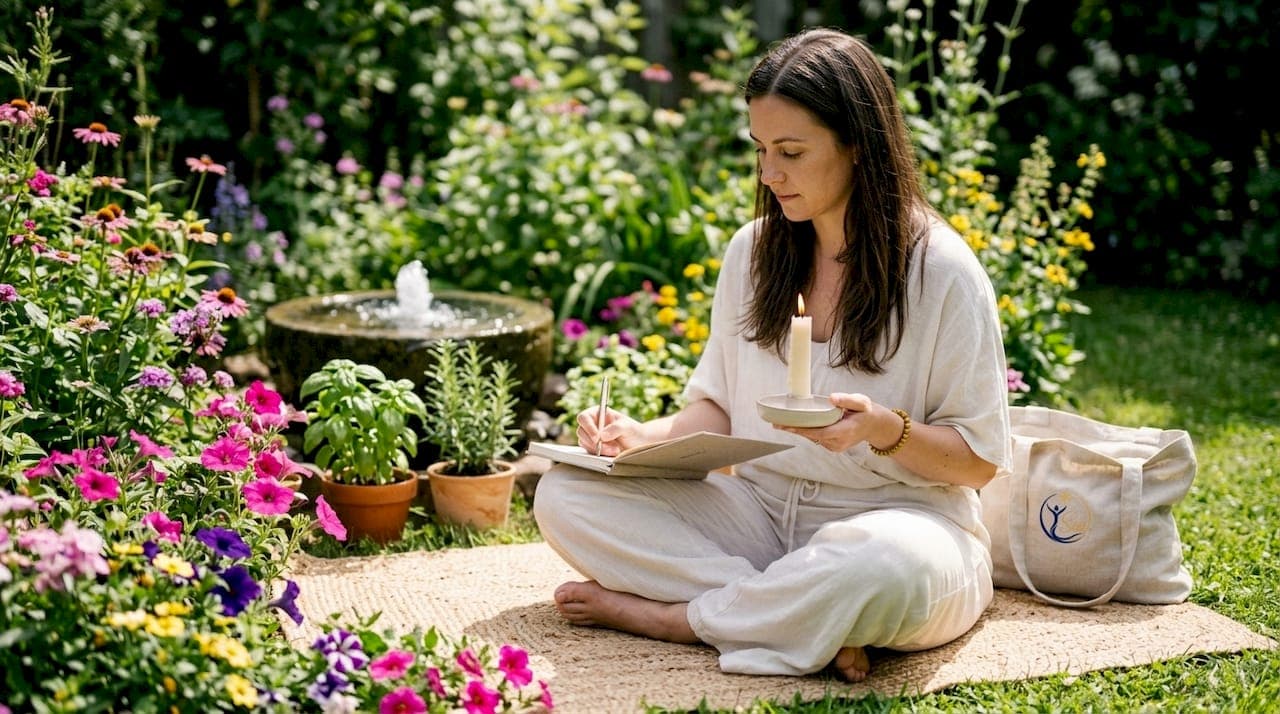
The spiritual health pillar is defined as your connection to inner self, purpose, and community that grounds and guides your choices through life's challenges. Unlike physical or emotional health, this pillar operates as the meaning-making foundation beneath all other wellness dimensions. Three core themes structure spiritual health: a sense of self, peace, and purpose; connections to others, the world, or a higher power; and active spiritual or religious practice. Understanding what is the spiritual health pillar means recognizing it as a dynamic, ongoing developmental process, not a fixed destination you arrive at once.
What is the spiritual health pillar and its core components?
Spiritual health organizes into clear, research-backed themes that apply across religious and secular contexts alike. A 2025 survey of UK social prescribers identified three foundational themes that consistently define the spiritual wellness concept: how you relate to yourself, how you connect with others and the wider world, and how you practice or express that connection daily. These themes give you a practical map for assessing where your own spiritual health is strong and where it needs gentle attention.

The THRIVE framework explained
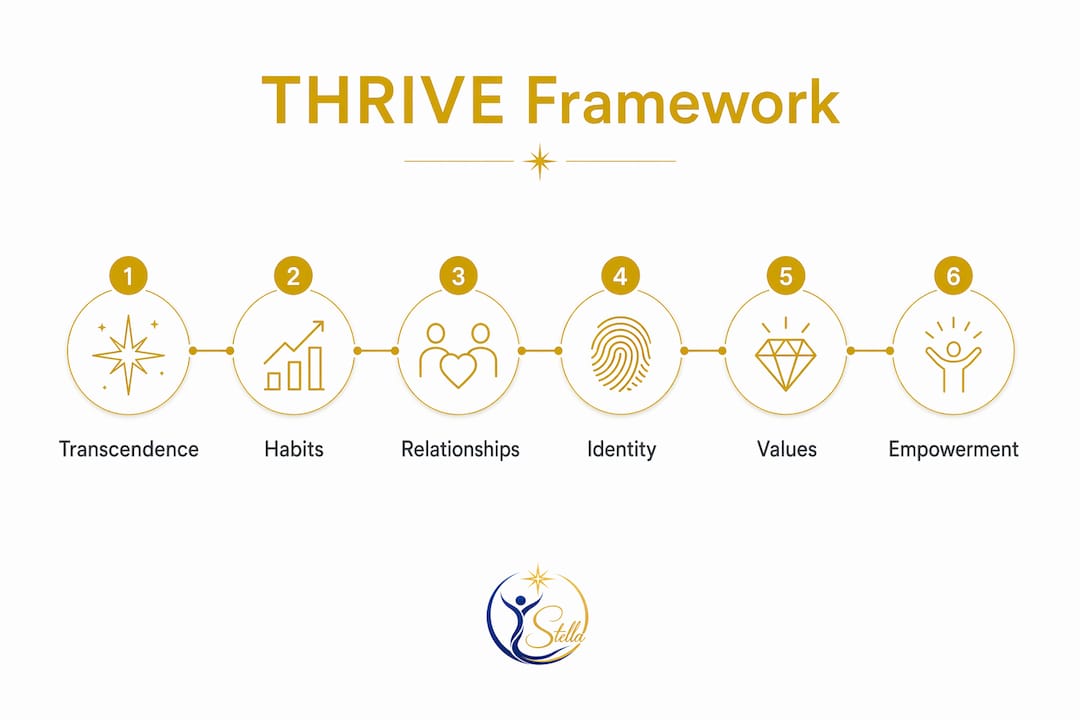
The THRIVE framework, published in december 2025 by the Thrive Center for Human Development, synthesizes the spiritual wellness concept into six interrelated facets:
- Transcendence: A sense of connection to something larger than yourself, whether that is nature, community, or a higher power
- Habits and rhythms: Daily practices like meditation, breathwork, or reflection that anchor your spiritual life
- Relationships and community: The relational bonds that nurture belonging and shared meaning
- Identity and narrative: A coherent story about who you are and where you are going
- Vocation and purpose: The sense that your work and choices align with your deeper values
- Ethics and virtues: The moral commitments that guide how you treat yourself and others
These six facets do not operate in isolation. When your sense of purpose strengthens, your relationships often deepen. When your daily habits grow more mindful, your identity narrative becomes clearer. The THRIVE framework shows that spiritual health is not a single switch you flip. It is a living system of interconnected qualities that support each other.
| THRIVE Facet | Core Question It Answers |
|---|---|
| Transcendence | What connects me to something beyond myself? |
| Habits and rhythms | What daily practices ground my spirit? |
| Relationships and community | Who nurtures my sense of belonging? |
| Identity and narrative | What story do I tell about my life? |
| Vocation and purpose | Does my work reflect my values? |
| Ethics and virtues | What principles guide my choices? |
How does spiritual health differ from religiosity?
Spiritual health is not the same as being religious. This distinction matters enormously for anyone who feels disconnected from organized religion but still senses a need for meaning, purpose, and connection. A 2025 survey found that 26–28% of participants explicitly defined spiritual health as separate from religiosity, framing it instead as a secularly adaptable, multidimensional developmental process.
Spiritual health as a concept belongs to everyone. You do not need a faith tradition to cultivate a strong sense of self, to feel connected to your community, or to live by a clear set of values. Clinical experts at the AMA and George Washington Institute now treat spiritual health as an essential domain of whole-person care, placing it alongside physical and mental health in clinical standards.
Key ways spiritual health differs from religiosity:
- Spiritual health is self-directed and internally motivated; religiosity often follows external doctrine
- Spiritual health applies equally to atheists, agnostics, and people of faith
- Spiritual health focuses on meaning, purpose, and connection rather than ritual compliance
- Spiritual health is a developmental process that evolves throughout your life
Pro Tip: If the word "spiritual" feels loaded for you, try replacing it mentally with "meaning-centered." The practices and benefits are identical. The label is just a door.
What are the proven benefits of spiritual health?
Spiritual health benefits reach far beyond inner peace. Spiritual wellness practices are empirically linked to lower anxiety, reduced depression, decreased substance use, lower hypertension, and stronger coping with chronic stress. These are not soft outcomes. They show up in clinical data and health reviews consistently.
"Spiritual health acts as a buffer against distress in chronic illness and mental health challenges. Growing calls from clinical experts advocate for its integration into standard whole-person care models alongside physical and mental health." — AMA on whole-person care
The importance of spiritual health becomes clearest under pressure. When you face illness, loss, or uncertainty, a well-developed spiritual health pillar gives you a coherent narrative to hold onto. It tells you who you are, what matters, and why you keep going. The THRIVE framework describes this as "resilience through meaning-making," the ability to integrate difficult experiences into a larger story rather than being undone by them.
Spiritual health also supports the other wellness dimensions. People with strong spiritual health tend to maintain better social connections, make choices more aligned with their values, and recover from setbacks with greater ease. UC Davis health guidelines recognize spiritual wellness as one of eight core dimensions of wellness, noting its role in building ethical frameworks and preparing individuals for unpredictable life challenges. That recognition reflects a broader shift in how health professionals understand the whole person.
How can you actively improve your spiritual health?
Improving spiritual health is less about grand gestures and more about consistent, gentle daily practice. 2026 health guidelines identify the most effective methods for cultivating spiritual wellness:
- Meditate or practice mindful relaxation daily. Even ten minutes of quiet breath-focused attention strengthens your connection to inner self and calms the nervous system.
- Explore your core values. Write down what matters most to you and check whether your daily choices reflect those values. Misalignment is one of the most common sources of spiritual unease.
- Spend time in nature. Natural environments reduce cortisol, quiet mental noise, and create a felt sense of connection to something larger than your immediate concerns.
- Engage in community rituals. Shared practices, whether a weekly class, a volunteer commitment, or a simple group walk, build the relational bonds that spiritual health depends on.
- Integrate movement with breath. Practices like qigong combine physical movement, breath regulation, and mindful awareness in a single session, addressing multiple spiritual health facets at once.
Pro Tip: Start with one practice from the list above and commit to it for 21 days before adding another. Spiritual health grows through consistency, not variety.
Research consistently warns against one common mistake: pursuing spiritual health in isolation. Practitioners note that isolated spiritual pursuits without community or relational ties reduce resilience benefits and can lead to a fragmented sense of identity. You need other people to reflect your growth back to you.
The table below compares two common approaches to spiritual health development:
| Approach | Strengths | Limitations |
|---|---|---|
| Solo practice (meditation, journaling) | Flexible, self-paced, deeply personal | Can become isolated; lacks relational feedback |
| Community-based practice (group classes, rituals) | Builds belonging, shared meaning, accountability | Requires consistent access and scheduling |
The most effective path combines both. A daily ritual practice anchors your inner life, while community engagement keeps that inner life connected to the world around you. Qigongstar's approach to spiritual wellness integrates both dimensions through structured movement practices that you can do alone and in group settings.
For adults building a whole-person health model, spiritual health is not the last piece to add. It is the connective tissue that holds the other pieces together.
Key Takeaways
Spiritual health is a foundational pillar of whole-person wellness, defined by self-awareness, purpose, relational connection, and consistent practice, not by religious affiliation.
| Point | Details |
|---|---|
| Core definition | Spiritual health connects inner self, purpose, and community to ground daily choices. |
| THRIVE framework | Six facets (Transcendence, Habits, Relationships, Identity, Vocation, Ethics) map the full scope of spiritual wellness. |
| Distinct from religion | 26–28% of surveyed adults define spiritual health separately from religiosity; it applies to everyone. |
| Proven benefits | Spiritual practices reduce anxiety, depression, and hypertension while strengthening stress resilience. |
| Best practice | Combine solo daily practices with community-based rituals to avoid fragmentation and build lasting resilience. |
Why I believe spiritual health is the most overlooked pillar
Most wellness conversations start with sleep, nutrition, and exercise. Spiritual health gets mentioned last, if at all. After years of working with people through qigong and movement practices, I have seen that pattern cause real harm. People optimize their bodies and still feel empty. They sleep eight hours and wake up without a reason to get up.
Spiritual health is not a luxury you add once everything else is sorted. It is the framework that gives the other pillars meaning. Without a coherent sense of purpose and connection, physical health becomes maintenance without direction. The people I have seen thrive long-term are not the ones with the perfect morning routine. They are the ones who know why they are doing it.
The other thing I have learned is that community is non-negotiable. Solo meditation is valuable. But spiritual health that never gets tested in relationship, never gets reflected back by other people, tends to become brittle. The relational facet of the THRIVE framework is not a nice-to-have. It is load-bearing.
If you are reading this and wondering where to start, I would say: find one practice and one person to share it with. That combination, private inner work plus relational grounding, is where spiritual health actually takes root and grows.
— Stella
Qigongstar's approach to spiritual and whole-person wellness
Qigongstar offers a calm, structured path for adults who want to nurture their spiritual health through movement, breath, and community.
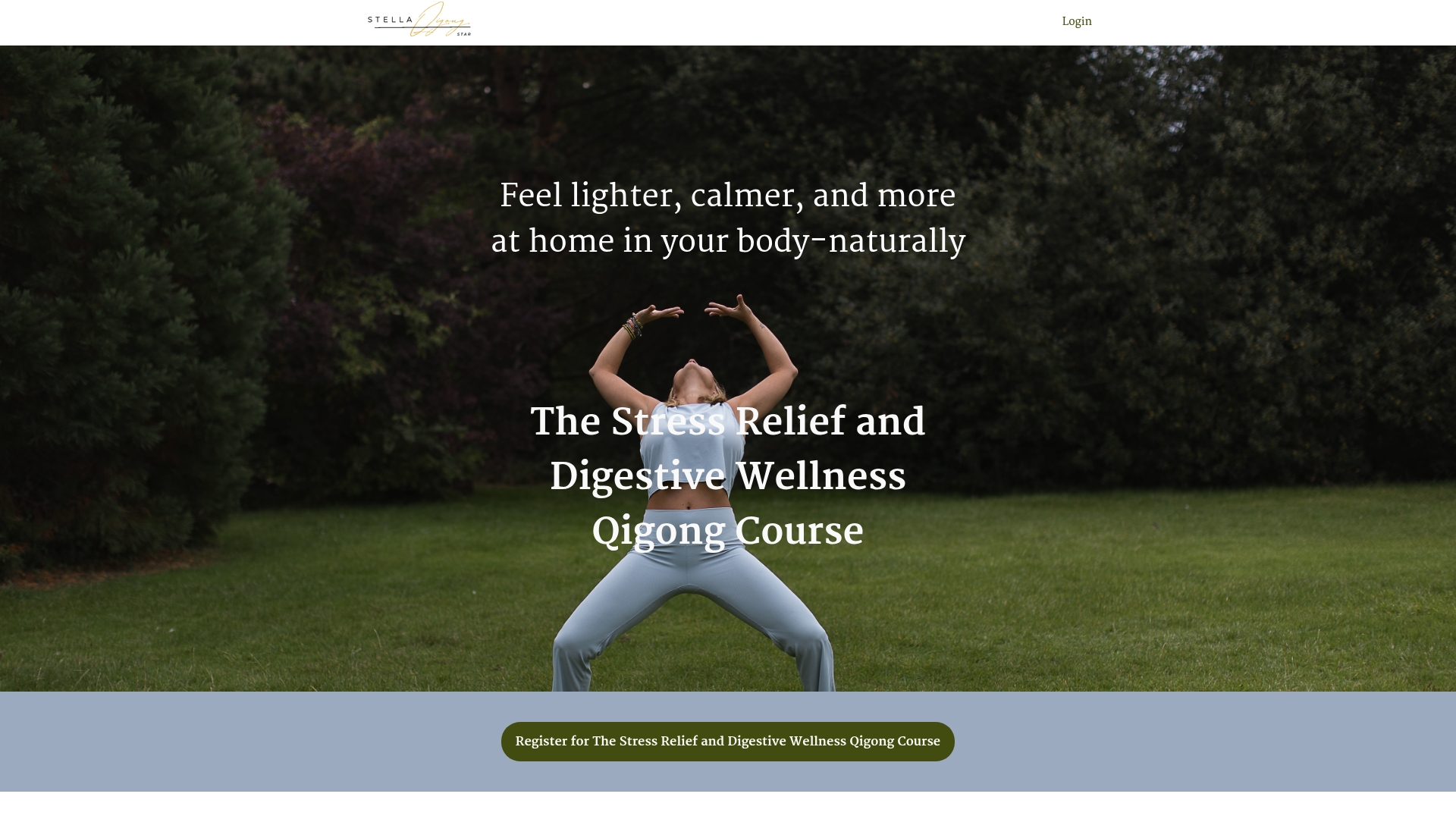
The 5 Animal Qigong program integrates breathwork, mindful movement, and energetic awareness into a practice that directly supports the spiritual health pillar. Each session addresses multiple THRIVE facets: building daily habits, deepening self-awareness, and connecting you to a larger tradition of healing. Qigongstar's online qigong classes are beginner-friendly, flexible, and designed to fit real life. Whether you are managing stress, seeking more purpose, or simply ready to awaken your energy in a gentle, grounded way, these courses meet you exactly where you are.
FAQ
What is the spiritual health pillar in simple terms?
The spiritual health pillar is your sense of inner self, purpose, and connection to others that guides how you live and cope with challenges. It is a core dimension of whole-person wellness recognized by clinical health frameworks.
Does spiritual health require religious belief?
No. Research shows that 26–28% of adults define spiritual health as entirely separate from religiosity. It applies equally to people of faith, agnostics, and atheists.
What are the main components of spiritual wellness?
The THRIVE framework identifies six components: Transcendence, Habits and rhythms, Relationships and community, Identity and narrative, Vocation and purpose, and Ethics and virtues.
How does spiritual health affect physical health?
Spiritual wellness practices are linked to lower anxiety, reduced depression, decreased hypertension, and stronger stress resilience, according to 2026 health reviews. Clinical experts now treat it as a buffer against distress in chronic illness.
How do I start improving my spiritual health today?
Begin with one daily practice, such as ten minutes of meditation or a short walk in nature, and pair it with at least one community connection. Consistency and relational grounding are the two factors most strongly linked to lasting spiritual wellness.