

TCM energy healing techniques are defined as a set of traditional Chinese medicine healing practices designed to restore balanced qi flow, relieve stress, improve digestion, and support overall wellness. The five canonical methods are acupuncture, moxibustion, herbal medicine, cupping, and dietary therapy. Each works by addressing the root cause of imbalance rather than masking symptoms. Qigongstar builds on these foundations by pairing them with qigong movement, giving you a complete, accessible path to lasting vitality. Understanding how these practices work together is the first step toward real, sustainable change.
1. What are TCM energy healing techniques?
TCM energy healing techniques are rooted in the concept of qi, the vital life force that flows through pathways in the body called meridians. When qi flows freely, you feel calm, energized, and well. When it stagnates or becomes deficient, stress, digestive trouble, and fatigue follow.
Traditional Chinese medicine healing addresses these imbalances through specific, time-tested methods. Energy healing supports the body's self-regulating systems by reducing resistance and allowing natural rebalancing. That means the goal is not to force change but to clear the way for your body to heal itself.
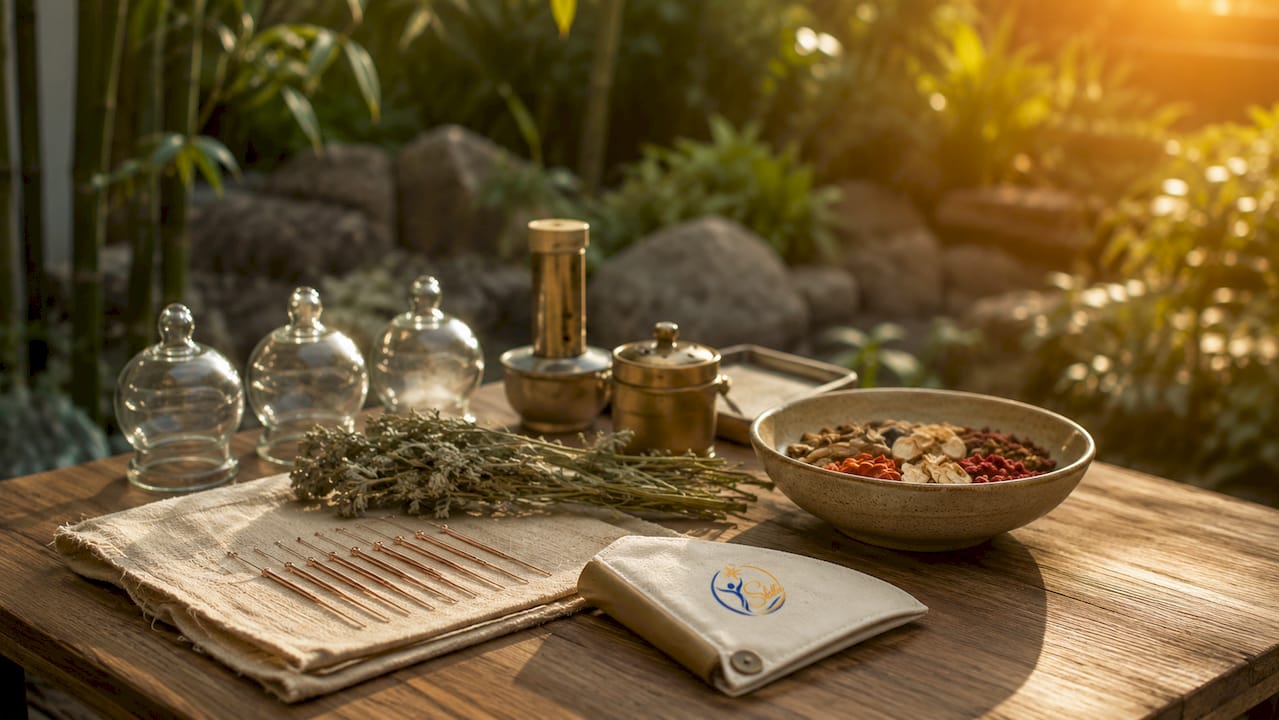
These practices have been refined over thousands of years and are now used alongside conventional medicine in clinics worldwide. You do not need to choose between tradition and science. The most effective approach combines both.
2. Acupuncture for energy flow and stress relief
Acupuncture is the insertion of fine needles into specific acupoints along the body's meridians to unblock and redirect qi. Each point corresponds to an organ system or energetic function. Stimulating the right points calms the nervous system, reduces cortisol, and restores digestive rhythm.
Acupuncture is endorsed by the World Health Organization and major medical centers worldwide for managing pain, nausea, and stress-related conditions. That level of institutional backing reflects decades of clinical research, not just tradition.
Practical benefits of acupuncture include:
- Reduced anxiety and mental tension after just a few sessions
- Improved gut motility and relief from IBS symptoms
- Better sleep quality through nervous system regulation
- Decreased muscle tension and chronic pain
- Stronger immune response over consistent treatment
For stress and digestive concerns, most practitioners recommend starting with weekly sessions for four to six weeks, then reassessing. Frequent sessions during high stress periods, such as fortnightly appointments, help stabilize your energy faster. Quarterly maintenance sessions keep the benefits alive once you feel balanced.
Pro Tip: Avoid caffeine and heavy meals for two hours before your acupuncture session. A calm, receptive body responds more deeply to needle stimulation.
3. How Tui Na therapeutic massage promotes energy balance
Tui Na is a hands-on Chinese therapeutic massage that works directly on meridians and acupoints through rhythmic pressure, kneading, and stretching. Unlike a relaxation massage, Tui Na targets specific energetic blockages and is prescribed based on your individual pattern diagnosis.
The mechanical pressure applied during Tui Na stimulates qi movement in the same pathways used in acupuncture. This makes it especially useful for people who are sensitive to needles or want a more tactile form of treatment. It addresses both physical tension and the underlying energetic stagnation that causes it.
Tui Na provides short-term pain relief comparable to physiotherapy after two months of treatment. That finding comes from a Singapore General Hospital study comparing pain scores and daily activity levels. The key takeaway is that Tui Na works, and it works quickly.
"Long-term success with Tui Na depends on pairing it with self-management exercises. Without that combination, symptoms tend to recur."
For lasting chronic pain relief, combine your Tui Na sessions with gentle daily movement like qigong. The clinical session releases the blockage. The daily practice keeps it from returning.
Key benefits of Tui Na:
- Releases deep muscle tension and joint stiffness
- Stimulates lymphatic drainage and circulation
- Calms an overactive stress response
- Supports digestive organ function through abdominal work
- Complements acupuncture for faster energetic shifts
4. What role do herbal medicine and dietary therapy play?
TCM herbal medicine draws from a pharmacopoeia of over 5,000 herbs, each classified by its energetic temperature, taste, and organ affinity. A practitioner does not prescribe based on your diagnosis alone. They prescribe based on your unique constitutional pattern, which means two people with the same digestive complaint may receive entirely different formulas.
Herbal prescriptions are personalized according to the individual rather than Western disease labels. This is one of the most misunderstood aspects of traditional Chinese medicine healing. The formula that calms your neighbor's anxiety may not suit your body at all.
Dietary therapy follows the same logic. Foods carry energetic properties in TCM, and your practitioner will recommend specific foods based on your constitution and current imbalance. For more on how ancient Chinese healing uses food as medicine, the principles go back thousands of years.
Common TCM approaches for stress and digestion include:
- Adaptogenic herbs like Ashwagandha (used in integrative practice) and Astragalus to support adrenal function and reduce fatigue
- Warming digestive herbs such as ginger, cardamom, and dried tangerine peel to stimulate sluggish digestion
- Calming formulas containing herbs like Ziziphus (sour jujube seed) to quiet an overactive mind and support sleep
- Cooling foods like cucumber, mung beans, and peppermint for those with heat patterns driving anxiety or acid reflux
- Nourishing soups and congees made with bone broth, Chinese yam, and lotus seed to rebuild qi in depleted constitutions
The individualized approach is what makes TCM dietary therapy so effective. A one-size-fits-all supplement cannot address the nuance of your specific energetic pattern.
5. How cupping and moxibustion enhance qi circulation
Cupping and moxibustion are two of the most misunderstood yet deeply effective holistic energy techniques in TCM practice. Both work by stimulating qi movement through physical means, one through suction and one through heat.
Cupping places glass or silicone cups on the skin to create a vacuum. This suction lifts the fascia, draws stagnant blood and qi to the surface, and promotes fresh circulation beneath. The temporary marks left on the skin are not bruises. They reflect the degree of stagnation in that area.
Moxibustion burns dried mugwort (moxa) near or on specific acupoints to introduce warming energy into the meridians. It is particularly effective for cold patterns, energy deficiency, and digestive weakness caused by a depleted, cold constitution.
| Therapy | Primary action | Best suited for | Session length |
|---|---|---|---|
| Cupping | Suction to lift stagnation | Muscle tension, poor circulation | 15–20 minutes |
| Moxibustion | Heat to warm and tonify | Cold patterns, fatigue, weak digestion | 10–20 minutes |
Both therapies work best as complements to acupuncture rather than standalone treatments. Your practitioner will often combine all three in a single session for maximum effect.
Pro Tip: After cupping or moxibustion, avoid stressors and alcohol for at least 24 hours. Your body needs that window to integrate the energetic shifts and consolidate the benefits.
6. Qigong and Tai Chi as daily energy practices
Qigong and Tai Chi are movement meditation practices prescribed in TCM to cultivate and circulate qi from within. They are considered internal exercises, meaning they work on the energetic body through breath, intention, and gentle movement rather than external manipulation.
These practices are not just supplementary. For people who cannot access regular clinical TCM sessions, qigong becomes the primary tool for maintaining energy balance. Even 15 minutes of daily practice calms the nervous system, supports gut motility, and builds the kind of steady qi that makes you resilient to stress.
Qigong is also one of the most accessible entry points into TCM wellness. You do not need needles, herbs, or a clinic. You need your body, your breath, and a little space. For practical guidance on gut health through movement, qigong sequences designed for digestion are especially gentle and effective.
Qigongstar specializes in White Tiger Qigong and Five Animal Qigong, both rooted in Chinese Medicine principles. These structured systems give you a clear, repeatable daily practice that builds over time.
Key Takeaways
The most effective approach to TCM energy healing combines clinical treatments like acupuncture and Tui Na with daily self-care practices like qigong and mindful dietary choices.
| Point | Details |
|---|---|
| Five core TCM methods | Acupuncture, moxibustion, herbal medicine, cupping, and dietary therapy each address qi imbalance differently. |
| Personalized prescriptions matter | Herbal and dietary therapy are tailored to your constitution, not your diagnosis label. |
| Tui Na needs daily movement | Short-term pain relief from Tui Na lasts longer when paired with self-management exercises. |
| Session frequency guides results | High-stress periods call for fortnightly sessions; quarterly maintenance sustains balance. |
| Qigong bridges clinic and home | Daily qigong practice keeps qi flowing between clinical TCM sessions and builds long-term resilience. |
What I have learned from years of working with these practices
After years of teaching qigong and exploring TCM energy healing practices, the most consistent pattern I see is this: people get results from clinical sessions, then lose them because they have no daily practice to sustain the shift. Acupuncture opens the door. Qigong keeps it open.
The second thing I have noticed is that people underestimate dietary therapy. They want the needles and the herbs, but they resist changing what they eat. In TCM, food is medicine taken three times a day. No herbal formula can fully compensate for a diet that constantly reinforces the imbalance you are trying to correct.
Energy healing is best viewed as a supportive wellness practice, not a replacement for medical care. That framing matters. It removes the pressure of expecting a miracle and lets you appreciate the genuine, steady progress these methods deliver.
My honest advice: start with one technique, practice it consistently, and add others as you feel ready. The integrative medicine approach works best when it is built gradually, not all at once. Realistic expectations and a gentle, committed practice will take you further than any single treatment ever could.
— Stella
Qigongstar online courses for stress and digestive wellness
If you want to bring TCM energy healing into your daily life without needing a clinic, qigong is your most practical starting point.
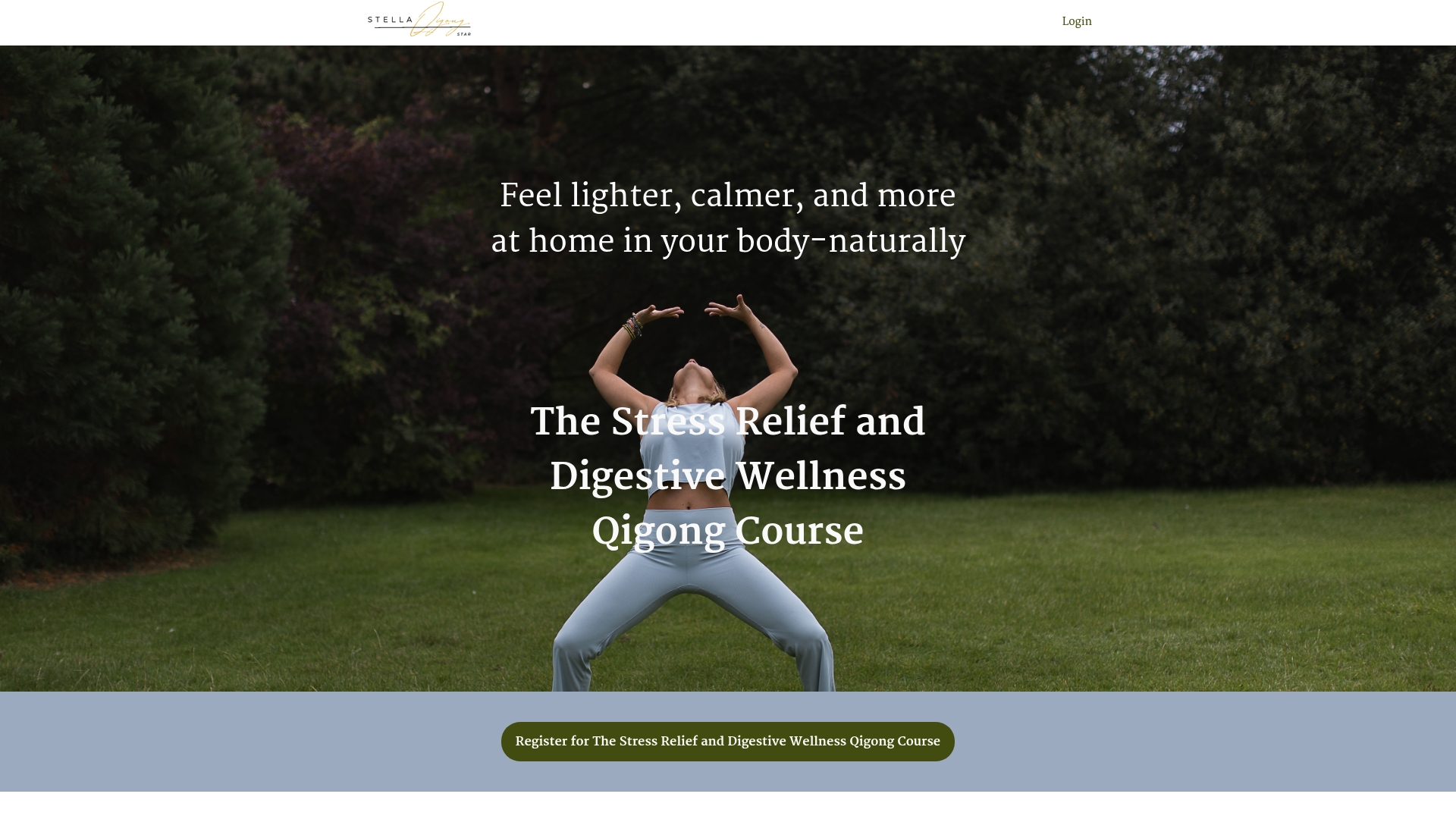
Qigongstar offers online qigong classes designed specifically for stress relief and digestive wellness, taught by Stella, a certified White Tiger Qigong instructor. The courses are beginner-friendly, on-demand, and built around the same TCM principles covered in this guide. The Five Animal Qigong course is a particularly strong fit for anyone dealing with stress-driven digestive issues, as each animal form targets a specific organ system. You can practice at your own pace, from anywhere, and build a routine that genuinely supports your energy and wellbeing.
FAQ
What are the five main TCM energy healing techniques?
The five canonical methods are acupuncture, moxibustion, herbal medicine, cupping, and dietary therapy. Each targets qi imbalance through a different mechanism, from needle stimulation to heat, pressure, and nutrition.
How does acupuncture support energy flow?
Acupuncture inserts fine needles into acupoints along meridians to unblock stagnant qi and restore circulation. The World Health Organization endorses it for pain, nausea, and stress-related conditions.
How often should I have TCM energy healing sessions?
During high-stress periods, fortnightly sessions are recommended to stabilize your energy. Once you feel balanced, quarterly maintenance sessions are sufficient to sustain the benefits.
Can I practice TCM energy healing at home?
Yes. Qigong and Tai Chi are internal practices you can do daily at home to cultivate qi and support the effects of clinical TCM treatments. Even 15 minutes a day makes a measurable difference.
Is TCM energy healing safe alongside conventional medicine?
TCM energy healing practices are generally safe as a complement to conventional medical care. Always inform both your TCM practitioner and your primary care provider about all treatments you are receiving.