
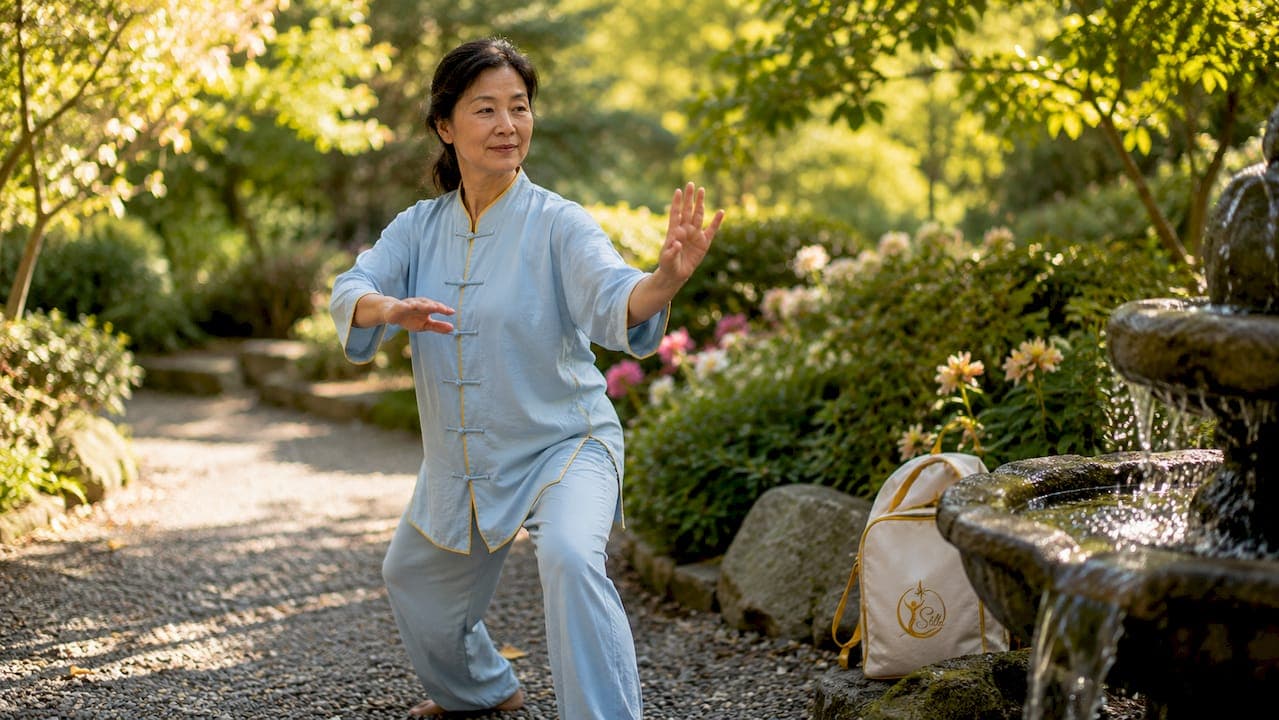
Mind-body healing modalities are practices designed to strengthen the connection between mental and physical health, using movement, breath, and awareness to restore balance. When you are dealing with stress, anxiety, or digestive issues, the sheer number of options can make choosing one feel paralyzing. This guide cuts through the noise by putting the most widely used mind-body healing modalities compared side by side, grounded in 2026 clinical research. You will find clear, practical guidance on Qigong, Yoga, Tai Chi, Meditation, Breathwork, Reiki, and sound healing, so you can choose what your body actually needs right now.
1. Why Qigong leads among mind-body healing modalities compared
Qigong is the top-ranked mind-body modality for pain reduction and anxiety relief in cancer survivors, according to a 2026 network meta-analysis of 40 randomized controlled trials. That finding carries weight beyond oncology. It signals that Qigong's combination of slow movement, breath regulation, and focused intention produces measurable physiological change across a wide range of stress-related conditions.
The numbers are striking. Qigong earned a SUCRA ranking of 98.6% for pain intensity reduction and 70.9% for anxiety reduction, outperforming Yoga, Tai Chi, Pilates, and dance. Its effect size for pain reduction versus Yoga was SMD = −2.36, a clinically meaningful gap. That means Qigong does not just edge out other modalities. It produces substantially stronger results.

For people managing chronic stress, IBS, or gut-related tension, this matters. The gut and nervous system are tightly linked, and Qigong's gentle, rhythmic movements calm the sympathetic nervous system while stimulating the parasympathetic response. That shift directly soothes digestive function. Qigongstar's stress resilience programs are built around exactly this mechanism.
Key clinical benefits of Qigong include:
- Pain reduction: Highest SUCRA ranking among all movement-based mind-body modalities
- Anxiety relief: Clinically superior to Yoga and Tai Chi in network meta-analysis rankings
- Fatigue reduction: Significant improvements in cancer-related fatigue, with implications for burnout and chronic exhaustion
- Digestive wellness: Parasympathetic activation calms gut tension and supports healthy motility
- Accessibility: Gentle enough for beginners, older adults, and those with limited mobility
Pro Tip: If you are new to Qigong, start with Five Animal Qigong. Its structured animal-inspired movements give your mind a clear focus, which makes it easier to stay present and get the calming benefits faster.
2. How Yoga fits into the picture
Yoga is the most widely practiced mind-body modality in the Western world, and its benefits for flexibility, stress reduction, and mental clarity are well documented. It earned a solid SUCRA ranking for anxiety in the same 2026 meta-analysis, though it fell below Qigong on both pain and anxiety measures.
Yoga's greatest strength is its variety. Restorative Yoga and Yin Yoga are particularly effective for nervous system regulation and are appropriate for people with high stress loads. Vinyasa and Power Yoga offer cardiovascular benefits but can overstimulate an already-taxed nervous system. Choosing the right style matters as much as choosing Yoga itself.
For digestive issues specifically, Yoga poses like twists and forward folds directly massage abdominal organs and stimulate the vagus nerve. This makes certain Yoga styles a genuinely useful tool for IBS and gut discomfort, even if Qigong's overall clinical ranking is higher.
3. Tai Chi versus Yoga: which one do people actually stick with?
Long-term adherence is the most underrated factor in comparing healing methods. A practice you abandon after six weeks produces no lasting benefit. Tai Chi retains 82% of community practitioners over the long term, compared to Yoga's 68%. That 14-point gap is not trivial.
The reason is structural. Tai Chi benefits from institution-backed standardization models, meaning community classes follow consistent formats that build group cohesion and clear progression. Yoga classes vary widely in style, intensity, and teacher approach, which creates more dropout risk for beginners who feel lost or overwhelmed.
| Feature | Tai Chi | Yoga |
|---|---|---|
| Long-term retention rate | 82% | 68% |
| Standardization | Institution-backed models | Varies by style and teacher |
| Best for | Metabolic health, fall prevention, balance | Flexibility, stress relief, strength |
| Intensity range | Low to moderate | Low to high |
| Accessibility for older adults | Very high | Moderate |
Tai Chi is particularly effective for metabolic syndrome management and fall risk reduction in older adults. If you are choosing between the two for a long-term wellness practice, Tai Chi's higher retention rate and consistent structure give it a practical edge for sustained health benefits.
4. Meditation, breathwork, Reiki, and sound healing: how to choose
These four modalities form the quieter end of the mind-body wellness spectrum. They require less physical movement but demand more internal attention. Choosing among them works best when you match the practice to your current mental and physical state, not to what sounds most appealing or spiritual.
Mind-body practices including meditation, acupuncture, and biofeedback are among the top complementary and alternative medicine approaches reported by adults seeking stress and pain relief. Each serves a distinct function.
Meditation trains attention and builds awareness of thought patterns. The most common beginner mistake is interpreting mental noise during a session as failure. That mental noise is actually a sign of increasing awareness, not a sign that meditation is not working. Sitting with discomfort is the practice. Apps like Insight Timer or guided body scan recordings make a useful starting point.
Breathwork ranges from gentle diaphragmatic breathing to intense techniques like holotropic breathwork. Intense breathwork can trigger adverse effects in people with trauma histories or certain medical conditions. Starting with simple breath awareness, such as four-count inhale and six-count exhale, is the safest and most effective entry point for most people.
Reiki suits people who need stillness and gentle energetic support without any physical exertion. It is particularly useful during periods of emotional exhaustion or recovery from illness, when even gentle movement feels like too much.
Sound healing uses vibration from instruments like singing bowls or tuning forks to shift the nervous system toward calm. It requires nothing from you except presence. For people who struggle to meditate due to racing thoughts, sound healing offers a passive but effective path to the same parasympathetic state.
- Choose meditation when you want to build long-term emotional regulation and attention skills
- Choose breathwork when you need rapid nervous system reset, and start gently
- Choose Reiki when you are depleted and need passive, nurturing support
- Choose sound healing when mental chatter blocks other practices
Pro Tip: Rotate between two or three modalities rather than committing to just one. Pairing Qigong movement with a short sound healing session afterward deepens the calming effect and helps release deep-held tension that movement alone may not reach.
5. How mind-body therapies fit into integrative healthcare
Mind-body therapies are not a replacement for medical or psychiatric treatment. They are a complement to it. Mind-body therapy changes physiological emotional experiences by working through the nervous system, which is something cognitive behavioral therapy and medication alone cannot fully address. This makes mind-body approaches a clinical necessity for trauma recovery and chronic stress management, not just a wellness add-on.
The economic case for integration is also strong. Integrative healthcare models reduce hospital costs by 4% and save an average of $898 per admission in chronic pain patients, alongside higher patient satisfaction and reduced polypharmacy. Those savings reflect real improvements in patient outcomes, not just cost-cutting.
| Benefit area | Evidence outcome |
|---|---|
| Hospital cost reduction | 4% decrease in chronic pain admissions |
| Per-admission savings | $898 average savings |
| Patient satisfaction | Higher than standard care alone |
| Polypharmacy reduction | Fewer medications needed |
| Quality of life | Improved resilience and whole-person outcomes |
Holistic care prioritizes quality of life and resilience over single-symptom reduction, which differs from conventional pharmaceutical trial standards. That difference is a feature, not a flaw. For people managing complex conditions like chronic stress, IBS, or anxiety, whole-person outcomes matter more than isolated biomarker changes. Qigongstar's approach to integrative health practices reflects this philosophy directly.
Key takeaways
Qigong ranks highest among mind-body healing modalities for pain and anxiety reduction, while Tai Chi leads for long-term adherence, and matching any modality to your current physical and mental state produces the best outcomes.
| Point | Details |
|---|---|
| Qigong leads clinically | Qigong holds a 98.6% SUCRA ranking for pain reduction, outperforming Yoga and Tai Chi. |
| Tai Chi sustains practice | Tai Chi retains 82% of practitioners long-term versus Yoga's 68%, due to standardized community models. |
| Match modality to your state | Choose based on your current physical and mental condition, not spiritual appeal or popularity. |
| Breathwork needs caution | Intense breathwork carries risks for sensitive individuals; start with gentle breath awareness techniques. |
| Integration amplifies results | Mind-body therapies complement CBT and medication, reducing hospital costs and improving quality of life. |
What I have learned from years of guiding people through these choices
People almost always pick a modality based on what sounds good rather than what their body actually needs right now. I have seen it countless times. Someone arrives exhausted and depleted, and they sign up for an intense breathwork workshop because it sounds transformative. Two sessions in, they feel worse and conclude that mind-body healing is not for them. That is not a failure of the practice. It is a mismatch between need and method.
The most important shift I can offer you is this: start with your nervous system's current state, not your aspirations. If you are in a high-stress, high-output phase of life, your nervous system needs gentle, rhythmic input. Qigong and Tai Chi are ideal here. If you are in a quieter season and want to build emotional depth, meditation and sound healing open that door.
I also want to be direct about provider quality. The difference between a skilled, clinically grounded Qigong or Reiki practitioner and an undertrained one is enormous. Look for instructors certified by recognized bodies like the White Tiger Qigong School or Yoga Alliance. That credential signals they have been trained to understand both the physical and energetic dimensions of what they are teaching.
Finally, if you are working through trauma or a diagnosed anxiety disorder, mind-body practices work best alongside professional mental health support. They are not a substitute for therapy or medication when those are clinically indicated. They are the layer that helps your body process what your mind is working through.
— Stella
Qigongstar's courses for stress relief and digestive wellness
Qigongstar offers two structured online programs designed specifically for people managing stress, anxiety, and digestive issues.
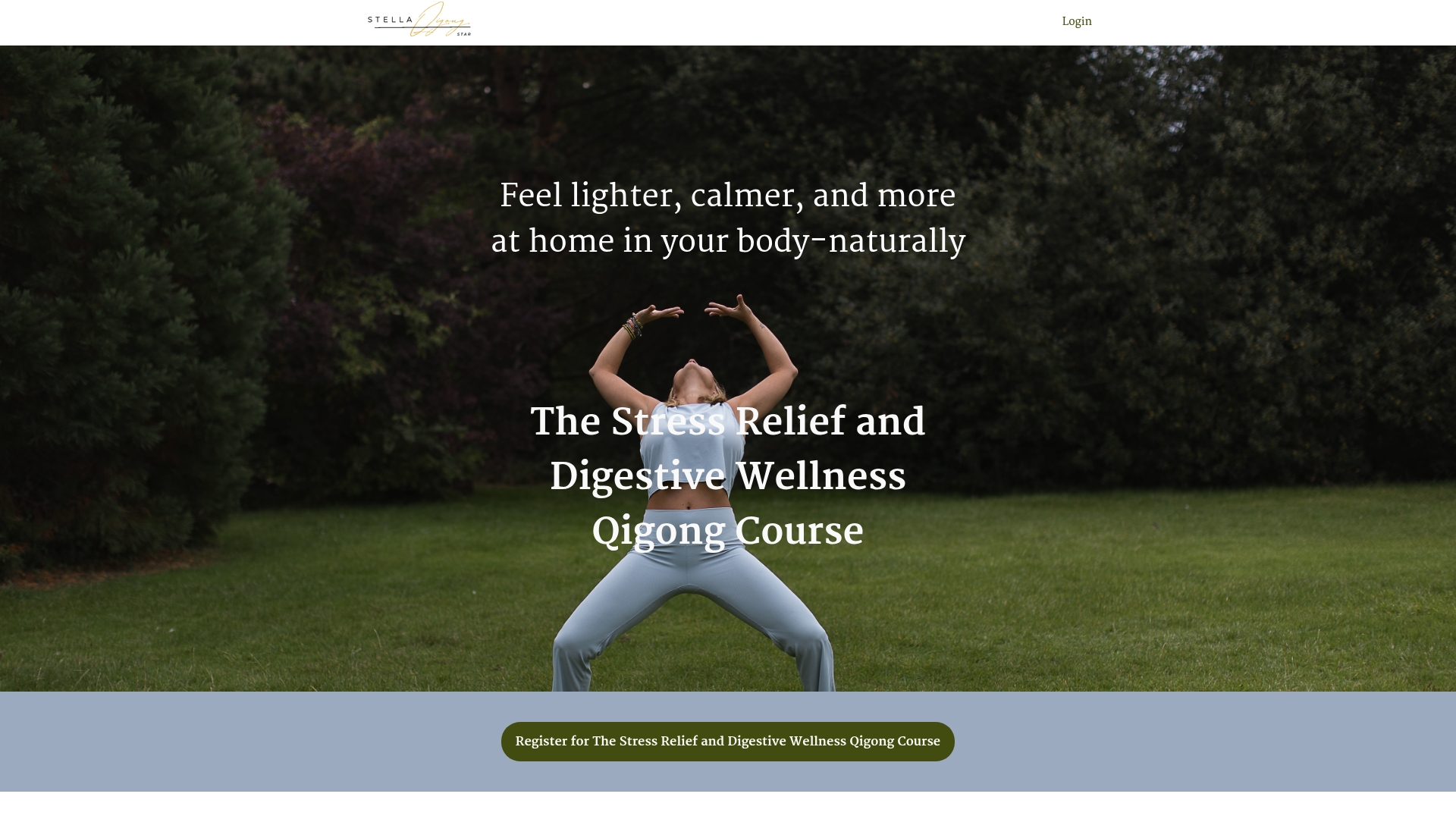
The 5 Animal Qigong program draws on ancient Chinese Medicine principles to awaken your energy through five distinct movement sequences, each targeting a different organ system and emotional pattern. It is beginner-friendly, on-demand, and built to fit into a real life. The White Tiger Qigong program goes deeper into mental clarity and physical vitality, with breath regulation and flowing movement sequences that melt away stress at the nervous system level. Both programs are taught by Stella, a certified White Tiger Qigong instructor with Yoga Alliance recognition, and are accessible entirely online. If you are ready to feel the difference a well-matched practice makes, explore the full class offerings and find the program that fits where you are right now.
FAQ
What is the most effective mind-body healing modality for anxiety?
Qigong ranks highest for anxiety reduction among movement-based mind-body modalities, with a SUCRA ranking of 70.9% in a 2026 network meta-analysis of 40 randomized controlled trials.
How do mind-body therapies help with digestive issues?
Mind-body practices like Qigong and gentle Yoga activate the parasympathetic nervous system, which directly calms gut tension and supports healthy digestive motility, making them effective for IBS and stress-related gut symptoms.
Is Tai Chi or Yoga better for long-term practice?
Tai Chi has an 82% long-term community retention rate compared to Yoga's 68%, largely because Tai Chi follows institution-backed standardized formats that support consistent group practice.
Can breathwork be harmful?
Intense breathwork techniques can trigger adverse effects in people with trauma histories or certain medical conditions. Starting with gentle breath awareness, such as a simple four-count inhale and six-count exhale, is the safest approach for beginners.
Do mind-body therapies replace medical treatment?
Mind-body therapies complement but do not replace medical or psychiatric treatment. They work through the nervous system to change physiological emotional responses, making them most effective when used alongside CBT or medication for conditions like trauma and anxiety disorders.