
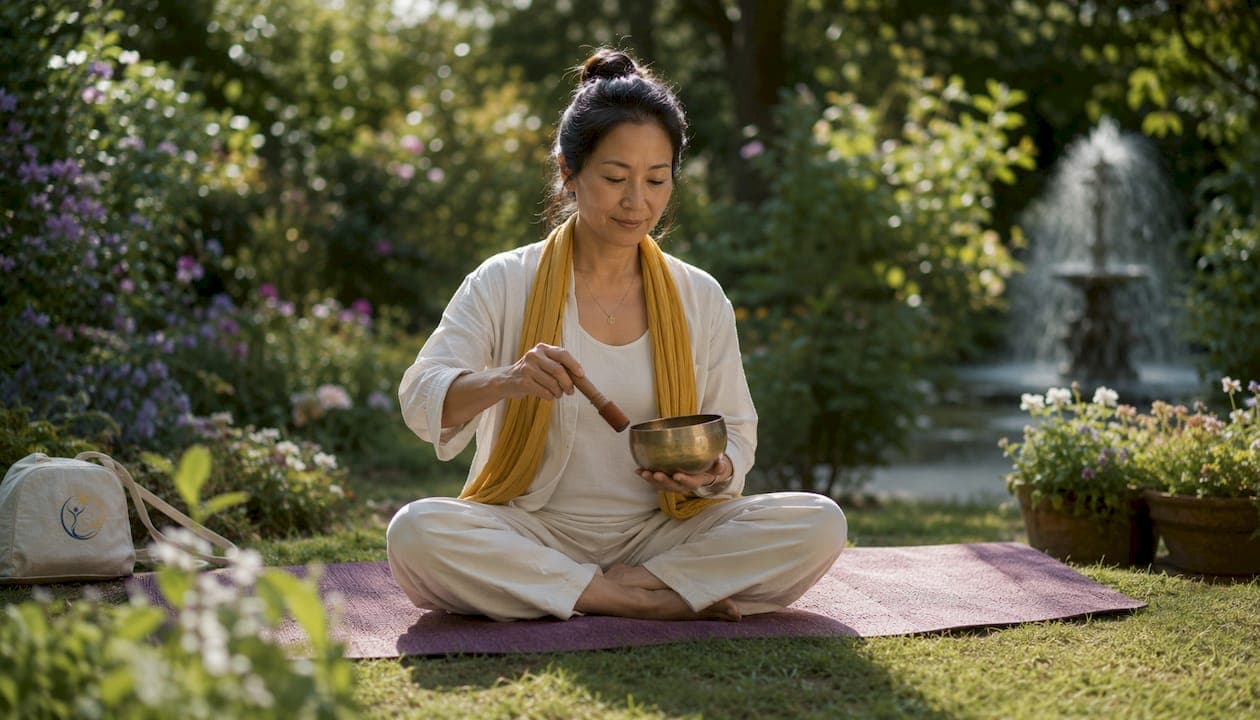
Sound actively reduces stress by shifting your brain from a state of high alert into one of calm recovery. Natural sounds like birdsong and flowing water increase alpha brain waves more effectively than silence, while structured practices like Tibetan singing bowl meditation produce measurable reductions in tension, anger, and fatigue. The role of sound in stress relief is not passive background comfort. It is a physiological process that touches your nervous system, your hormones, and your emotional state all at once.
The effects show up quickly. Within a single session, sound can:
- Lower heart rate and blood pressure by engaging the parasympathetic nervous system
- Reduce cortisol, the body's primary stress hormone, through neuroendocrine modulation
- Shift brain wave patterns from beta (alert, anxious) toward alpha (relaxed, calm)
- Ease feelings of tension, anger, and depressed mood
- Increase a sense of spiritual well-being and inner peace
Sustained practice deepens these benefits. A four-week binaural beats protocol, for example, showed consistent reductions in perceived stress beyond what a single session produces. Whether you are drawn to a quiet forest recording, a sound bath, or a structured qigong practice paired with resonant tones, the science behind sound's calming power is real and growing.
What the science says about sound and your stress response
Sound does not just feel soothing. It physically reorganizes your nervous system's activity. Research confirms that sound therapy induces a relaxation response, shifting brain wave patterns away from the fast, anxious beta frequencies toward slower alpha and theta states associated with rest and recovery. Heart rate drops. Blood pressure eases. Stress hormone levels begin to fall.
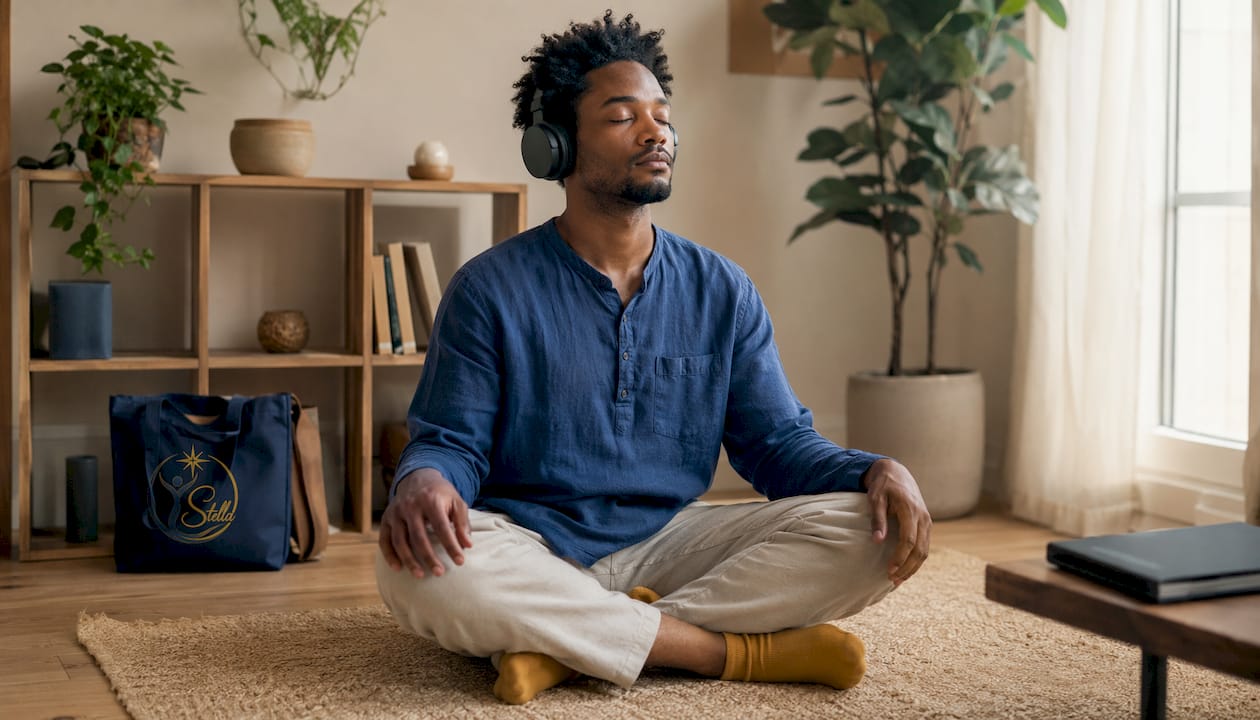
The autonomic nervous system sits at the center of this process. When you are stressed, your sympathetic nervous system dominates, keeping your body in fight-or-flight mode. Certain sounds act as a sensory reset for the ANS, nudging it back toward the parasympathetic "rest and digest" state. This is not metaphor. EEG studies measuring brain electrical activity and blood draws tracking cortisol both confirm the shift.
Sound also works at the biochemical level. Exposure to calming sound modulates neurotransmitters including dopamine, oxytocin, and cortisol, rebalancing the stress response at a chemical level. Dopamine lifts mood. Oxytocin promotes feelings of safety and connection. Cortisol, when lowered, allows the body to move out of chronic tension.
The research picture is nuanced, though. A systematic review and meta-analysis of 14 experimental studies involving 706 participants found that the overall effect of music listening on stress recovery was non-significant when all music types and outcomes were pooled together. What that finding actually reveals is that not all sounds work equally for all people. Genre, tempo, who selects the music, and the type of outcome being measured all shape the result.
| Sound Type | Brain Wave Effect | Key Physiological Change | Evidence Strength |
|---|---|---|---|
| Natural sounds (birdsong, water) | Alpha wave increase | Reduced mental stress markers | Strong (EEG studies) |
| Relaxing music | Alpha/theta shift | Faster ANS recovery, mixed cortisol | Moderate |
| Binaural beats | Theta entrainment | Reduced perceived stress over weeks | Moderate, growing |
| Tibetan singing bowls | Alpha/theta induction | Reduced tension, heart rate, blood pressure | Observational |
| White/pink noise | Mild alpha support | Masking of stressors, mild calming | Limited |
Key physiological effects documented across sound therapy research:
- Decreased systolic blood pressure during and after sound exposure
- Lower skin conductance, a marker of sympathetic nervous system arousal
- Improved heart rate variability, indicating better autonomic balance
- Reduced self-reported anxiety and negative affect
- Increased parasympathetic nervous system activity compared to silence
The main types of sounds that calm your nervous system
Not every sound soothes. The type of sound you choose matters enormously, and the research draws some clear distinctions.
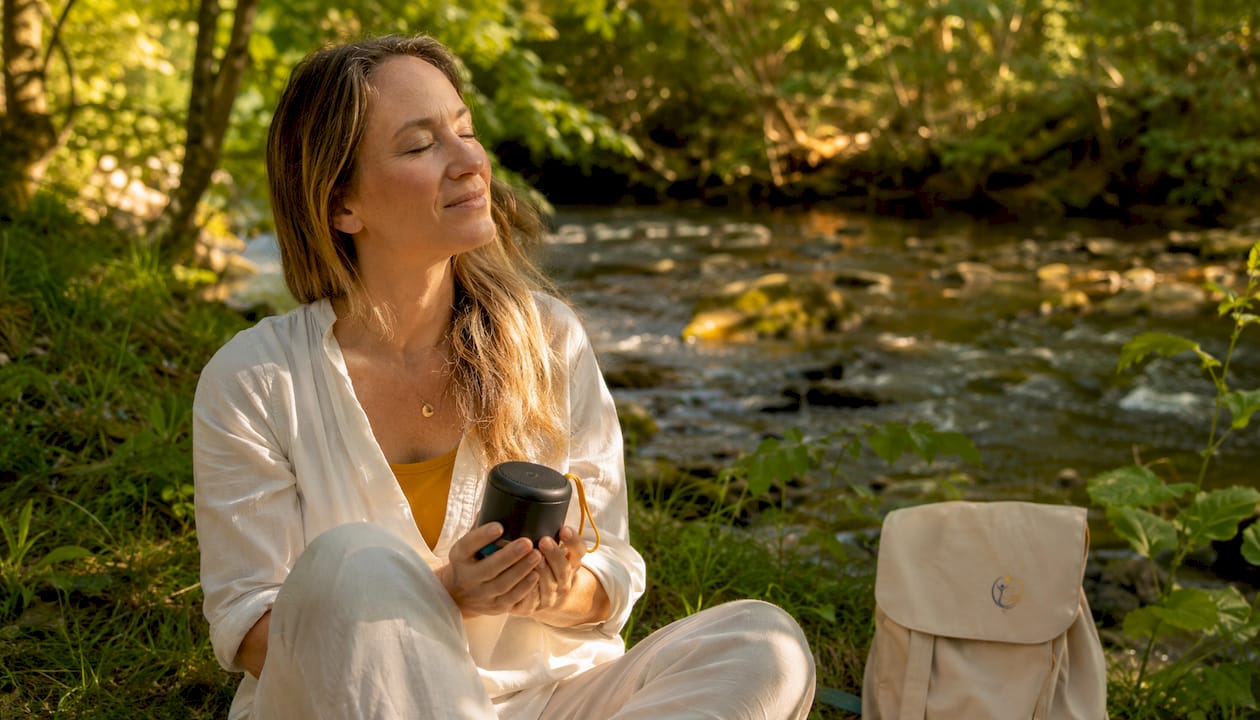
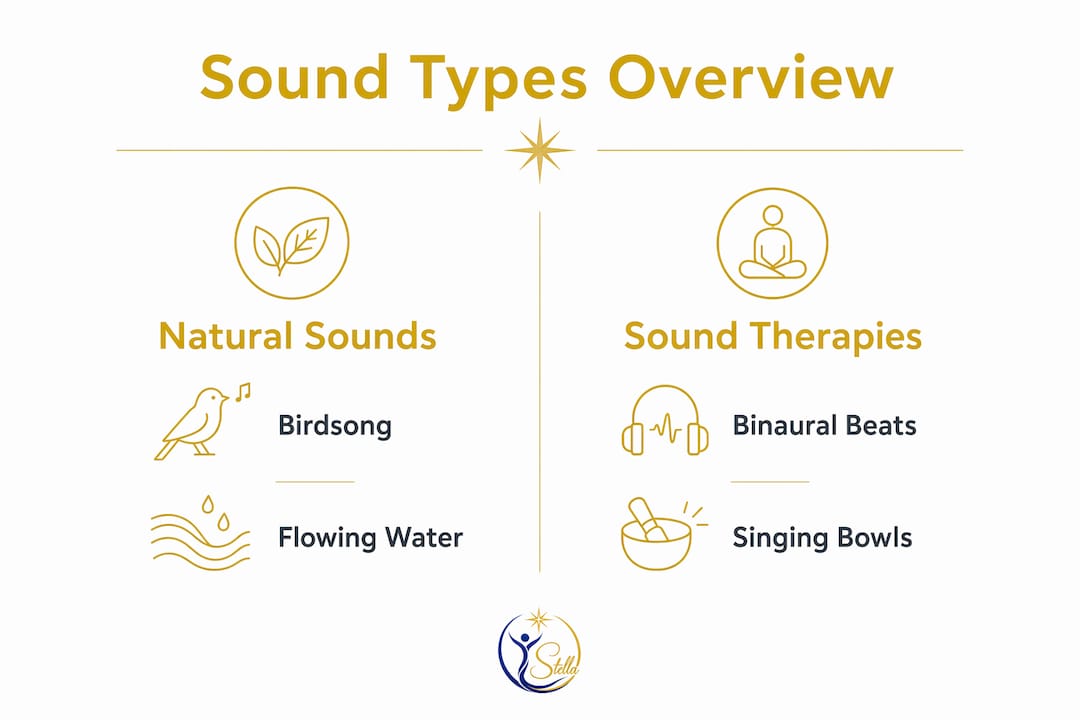
Natural sounds sit at the top of the evidence base. An EEG study of 30 subjects found that birdsong and flowing water were superior to silence for reducing mental stress and increasing alpha brain waves. Wind sounds, interestingly, had the opposite effect, raising stress levels in some participants. This is a detail most guides skip entirely. If you find certain nature recordings unsettling rather than calming, that phenomenon is documented, not a personal quirk.
Music for relaxation is the most widely used sound tool, and its effects are real but variable. Slower tempos, lower pitches, and familiar melodies tend to support relaxation. Music listening has been associated with lower negative affect, higher positive affect, and reduced state anxiety compared to silence in multiple studies. The catch is that who selects the music matters. Personally chosen music tends to outperform researcher-assigned playlists, likely because emotional resonance amplifies the physiological effect.
White and pink noise work differently from music or nature sounds. Rather than actively inducing relaxation, they mask disruptive environmental sounds that keep your nervous system on alert. Pink noise, which emphasizes lower frequencies, tends to feel gentler than white noise and is often preferred for sleep support. Neither type produces the alpha wave increases seen with birdsong, but both can create a quieter internal environment that makes other calming practices more effective.
Binaural beats require headphones to work. Two slightly different tones, one in each ear, create a perceived third tone in the brain. The brain then tends to synchronize its electrical activity to that frequency, a process called entrainment. A 2026 study found that a four-week bedtime protocol combining binaural beats with pure music reduced perceived stress with moderate but consistent effects. Theta-frequency binaural beats (4–8 Hz) are most commonly used for deep relaxation, while alpha-frequency beats (8–12 Hz) support lighter calm.
Tibetan singing bowls produce rich, layered tones that resonate at multiple frequencies simultaneously. The physical vibrations from these instruments engage the nervous system through tactile stimulation as well as sound, creating a grounding effect that goes beyond what recorded audio can replicate. Sitting near a bowl being played, or placing one on your body, adds a somatic dimension to the auditory experience.
Pro Tip: Try three different sound types on three separate evenings under the same conditions, and note your heart rate and mood before and after each. Your nervous system will tell you which one works. Personalization is not a preference. It is the mechanism.
How sound therapy methods support mental health
Sound therapy is an umbrella term for intentional practices that use sound to shift physiological and emotional states. It ranges from lying in a sound bath surrounded by gongs and bowls to a quiet 20-minute binaural beats session before bed. What separates sound therapy from simply having music on in the background is intention and attention.
Active engagement with sound, such as mindful listening or sound meditation, produces more significant physiological effects than passive background listening. This distinction matters practically. Putting on a nature playlist while answering emails delivers far less benefit than sitting quietly and letting the sound be the focus of your attention.
The mental health benefits documented across clinical and wellness settings include:
- Reduced anxiety and tension, particularly after Tibetan singing bowl sessions
- Improved sleep quality through bedtime binaural beats protocols
- Mood enhancement and reduced depressed mood following sound meditation
- Increased sense of spiritual well-being and inner peace
- Reduced fatigue and anger in the hours following a session
A study of 62 adults with a mean age of 49.7 found that Tibetan singing bowl meditation produced significant reductions in tension, anger, fatigue, and depressed mood immediately after sessions. Participants who were new to this type of meditation experienced an even greater reduction in tension than those with prior experience, suggesting that novelty amplifies the initial benefit.
"Tibetan singing bowl meditation may be a feasible low-cost, low-technology intervention for reducing feelings of tension, anxiety, and depression, and increasing spiritual well-being. This meditation type may be especially useful in decreasing tension in individuals who have not previously practiced this form of meditation." — Goldsby et al., Journal of Evidence-Based Complementary and Alternative Medicine, 2017
Sound baths, where participants lie still while a practitioner plays bowls, gongs, and bells around them, create an immersive environment that makes deep relaxation accessible even to people who struggle with traditional seated meditation. You do not need to clear your mind or follow a technique. You simply receive the sound.
Current research, while promising, still has gaps. Most studies are observational, involve small samples, and lack control groups. Sound therapy works best as part of a broader wellness approach rather than as a standalone treatment. Pairing it with professional therapeutic support can deepen its benefits, particularly for people managing anxiety or chronic stress.
What to know before you start: limitations and personal fit
Sound therapy is gentle, accessible, and low-risk for most people. But it is not universally effective, and a few important considerations will help you use it wisely.
Individual responses vary widely. Clinical studies show inconsistencies in heart rate and cortisol changes depending on music genre, who selects the music, and the listener's prior experience. What melts away stress for one person can feel irritating or even anxiety-provoking for another. This is not a failure of the practice. It reflects the deeply personal nature of sound perception.
Context shapes the outcome. The same piece of music heard in a stressful environment may not produce the same calming effect as it does at home in a quiet room. Your nervous system reads the whole situation, not just the audio signal. Setting, posture, and intention all influence how your body responds.
Some sounds can increase stress. Wind sounds, sudden loud noises, and certain dissonant tones have been shown to raise stress markers rather than lower them. If a particular sound makes you feel more tense, trust that signal and choose something else.
The evidence base is still developing. Reviews indicate mixed results across studies, and sound therapy is best understood as a supplementary wellness approach rather than a medical treatment. Larger, randomized controlled trials are needed before definitive clinical recommendations can be made.
Key considerations for safely incorporating sound therapy:
- Start with short sessions of 10–20 minutes and notice how you feel afterward
- Choose sounds based on your own response, not just general recommendations
- Avoid high-volume listening, which can cause auditory fatigue or hearing stress
- People with certain neurological conditions, tinnitus, or sound sensitivities should consult a healthcare provider before beginning
- Combine sound therapy with other natural stress relief strategies for the most durable results
- Track your mood and tension levels before and after sessions to identify what works for you personally
How long does sound therapy take to work? Some effects, like reduced tension and improved mood, appear within a single session. Sustained benefits, particularly for sleep and perceived stress, tend to build over several weeks of consistent practice. A recent binaural beats study used a multi-week protocol to demonstrate lasting effects.
How often should you practice? Daily short sessions tend to outperform occasional long ones. Even 15 minutes of intentional sound listening each day can support a calmer baseline over time.
Why combining sound with movement deepens your calm
Sound therapy and mindful movement are natural partners. Each works on the autonomic nervous system through a different sensory channel, and together they create a more complete reset than either practice alone.
Qigong, the ancient Chinese movement practice at the heart of Qigongstar's teaching, uses gentle, flowing movements coordinated with breath regulation to guide the body out of tension and into ease. When you add intentional sound, whether that is the resonance of singing bowls, calming music, or natural soundscapes, you give your nervous system two simultaneous signals to shift toward calm. The result is a richer, faster, and more lasting relaxation response.
The physiological logic is straightforward. Qigong's slow, rhythmic movements lower cortisol, improve heart rate variability, and activate the parasympathetic nervous system. Sound therapy does the same through auditory and vibrational pathways. Combining them means your body receives the message from multiple directions at once.
Qigongstar's instructors are certified through the White Tiger Qigong School and Yoga Alliance, bringing professional standards to every course. The curriculum is designed to be genuinely beginner-friendly, so you do not need prior experience with either movement or sound practices to benefit. You can explore sound healing combined with qigong as an integrated approach from your very first session.
Guidelines for building a sustainable sound-plus-movement routine:
- Begin with 5–10 minutes of gentle qigong movement to warm the body and settle the breath
- Transition into 10–15 minutes of sound meditation, using bowls, binaural beats, or nature sounds
- Close with 5 minutes of stillness, allowing the nervous system to integrate both inputs
- Practice at the same time each day to build a conditioned relaxation response
- Choose a consistent, quiet space where both movement and sound can be experienced without interruption
Pro Tip: If you are new to both practices, start with a guided qigong session that incorporates ambient sound rather than trying to coordinate them yourself. Qigongstar's on-demand courses layer breath, movement, and sound cues together, so the integration happens naturally without extra effort on your part.
How does sound therapy compare to other stress relief methods?
Sound therapy holds its own alongside other well-established stress relief approaches, though each method has a distinct profile of strengths.
Mindfulness meditation and sound therapy share significant overlap. Both activate the parasympathetic nervous system, lower cortisol, and shift brain waves toward alpha frequencies. The key difference is the learning curve. Traditional mindfulness requires sustained attention and practice before it feels natural. Sound therapy, particularly sound baths and singing bowl meditation, can produce a deep relaxation response even in complete beginners, as the Goldsby et al. study demonstrated with first-time participants showing the greatest tension reduction.
Exercise is one of the most evidence-backed stress relief tools available, with consistent aerobic activity lowering baseline cortisol and improving mood through endorphin release. Sound therapy does not replace that physiological benefit. What it offers instead is accessibility. You can receive the calming effects of a sound bath lying still, making it available on days when physical exertion is not possible.
Breathwork, including practices like diaphragmatic breathing and box breathing, works through a similar autonomic pathway as sound therapy. Both shift the nervous system toward parasympathetic dominance. Combining breathwork with sound, as qigong naturally does, amplifies the effect of both. Breath gives you active control; sound provides a passive, ambient support that sustains the calm state.
Compared to pharmacological stress management, sound therapy carries no side effects, no dependency risk, and no cost barrier once you have access to recordings or a simple instrument. It is not a replacement for medication when medication is clinically indicated, but as a complementary tool it fits naturally alongside any treatment plan. Exploring a stress relief course that integrates multiple approaches, including sound, movement, and breath, tends to produce more durable results than any single method alone.
The honest summary: sound therapy is not the most powerful stress relief tool in isolation. It becomes most effective when woven into a broader routine that includes movement, breath, and intentional rest. That is exactly the philosophy behind Qigongstar's approach to mind-body wellness.
Key Takeaways
Sound relieves stress through measurable physiological changes, including alpha brain wave increases, cortisol reduction, and autonomic nervous system shifts, with effects deepened by consistent, personalized, and intentional practice.
| Point | Details |
|---|---|
| Natural sounds lead the evidence | Birdsong and flowing water increase alpha brain waves more than silence; wind sounds can raise stress in some people. |
| Personalization determines results | Music genre, tempo, and who selects the sound all shape whether stress recovery actually occurs. |
| Singing bowls work fast | A study of 62 adults found significant reductions in tension, anger, and fatigue immediately after a single Tibetan singing bowl session. |
| Binaural beats need time | A four-week bedtime protocol showed consistent reductions in perceived stress, with effects building over weeks rather than appearing in one session. |
| Sound plus movement amplifies calm | Combining qigong's breath-regulated movement with intentional sound gives the autonomic nervous system two simultaneous signals to shift toward recovery. |
Ready to soothe stress with sound and movement?
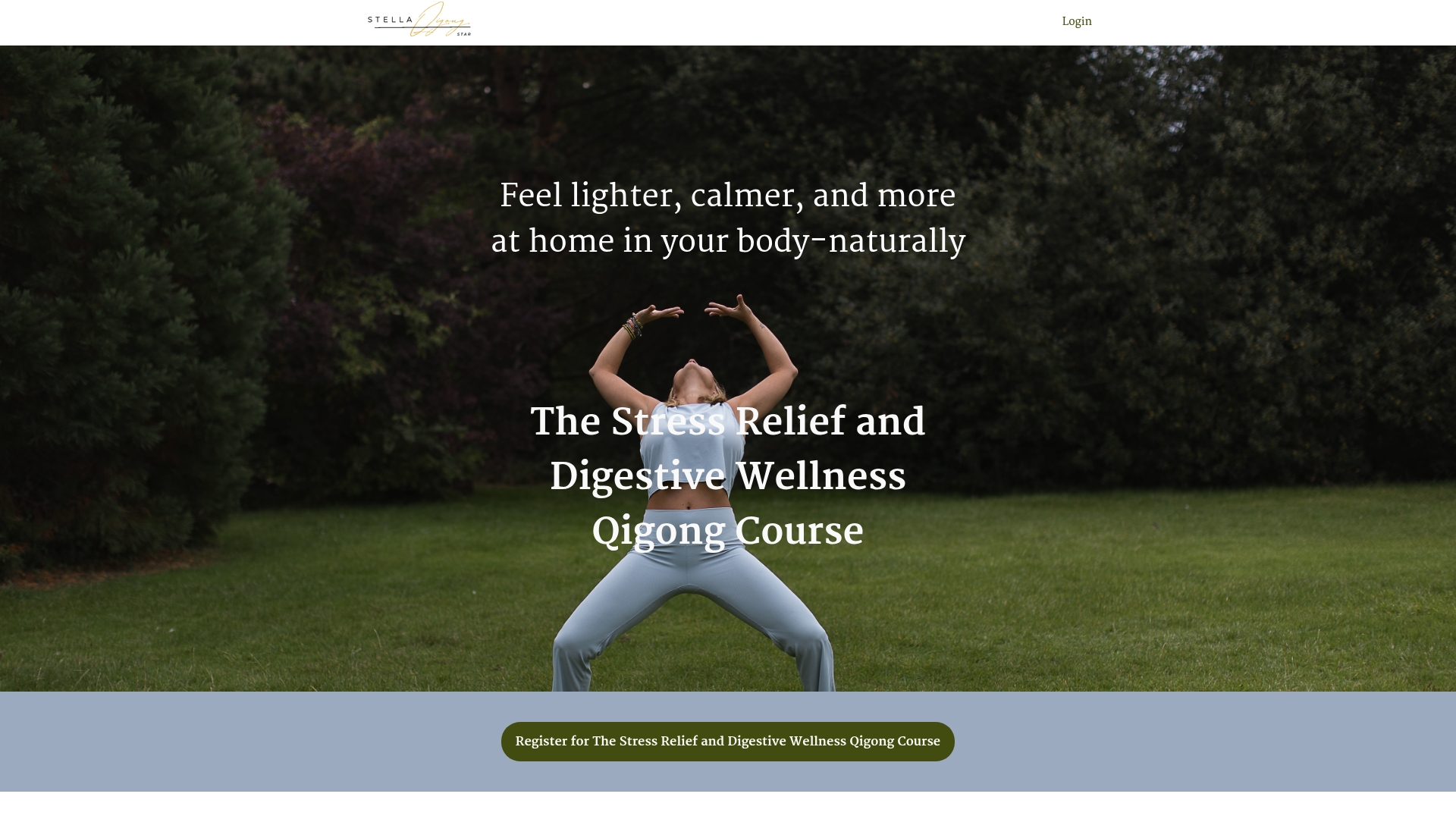
Sound therapy is most powerful when it becomes part of a living, breathing daily practice rather than an occasional experiment. Qigongstar's online courses bring together the gentle, breath-centered movements of White Tiger Qigong and Five Animal Qigong with the calming principles of intentional sound, creating a complete mind-body reset you can access from anywhere.
Whether you are just beginning your wellness path or looking to deepen an existing practice, Qigongstar's beginner-friendly, on-demand qigong classes for stress relief meet you exactly where you are. Certified instructors guide you through each session with warmth and clarity, so you can release deep-held tension and walk away feeling genuinely restored. Explore the full range of online courses and classes and find the practice that resonates with you.