
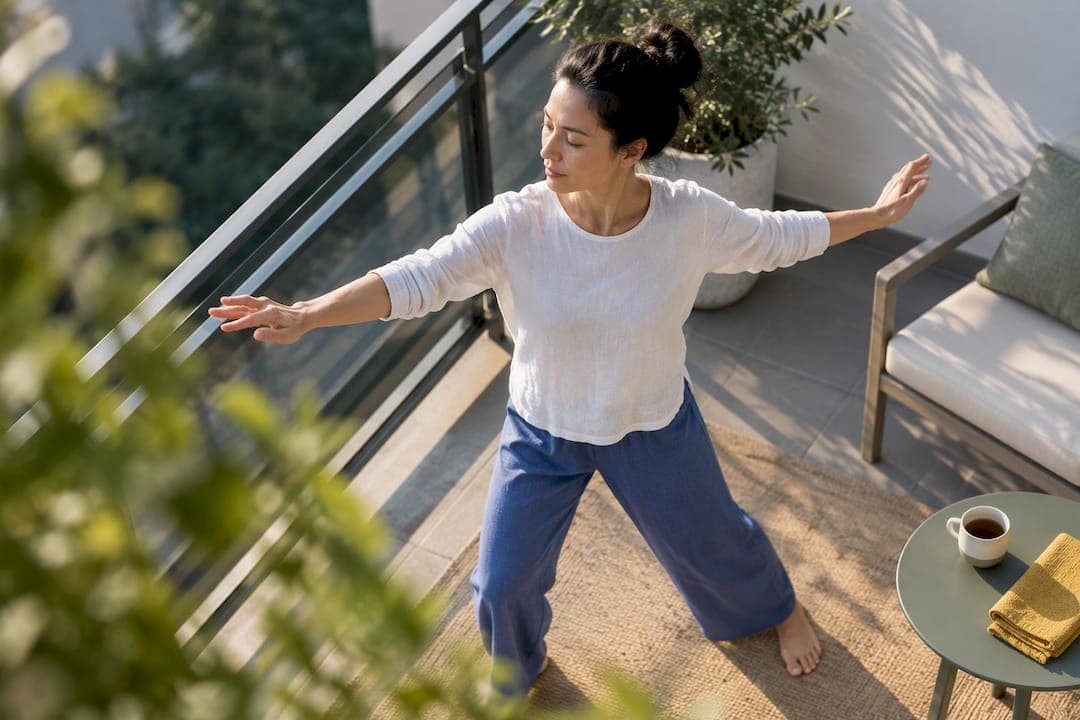
Qigong can help you manage burnout symptoms as a complementary, evidence-informed self-care practice. A good place to begin is a gentle 10 to 20 minute routine: a short warm-up, three slow movements, and a few minutes of breath meditation, practiced daily. The supportive evidence is encouraging but mixed, so pair your practice with real changes at work and, where needed, clinical support.
TL;DR:
- Regular, guided qigong practice can help reduce emotional exhaustion and calm the nervous system, but it should be part of a broader recovery plan involving work and sleep adjustments.
- A typical routine includes gentle movements, breath awareness, and visualizations, performed for 10 to 20 minutes daily, with adaptations for fatigue or mobility issues.
- Pacing and self-awareness are crucial, with practice paused or scaled back if symptoms like dizziness or pain worsen, and clinical support sought if symptoms intensify.
- The best results come from consistent practice coupled with workplace changes, clinical review, and support, rather than expecting quick fixes or relying solely on movement.
- Group classes and instructor guidance enhance technique, pacing, and safety, promoting sustained progress during burnout recovery.
Table of Contents
- What the research says about qigong and burnout recovery
- A 10 to 20 minute qigong routine for burnout recovery
- How often to practice and when to slow down
- Building qigong into a fuller recovery plan
- Why trust this guide
- What burnout recovery actually asks of you
- Get started with QigongStar classes and sessions
- Sources
- FAQ
What the research says about qigong and burnout recovery
The honest answer is that qigong works best as one part of a larger recovery plan, not a fix on its own. A randomized controlled trial of 82 adults with diagnosed burnout compared twice-weekly qigong sessions over 12 weeks against basic care alone. Both groups improved in burnout, fatigue, anxiety, depression, balance, and physical capacity, but qigong did not outperform basic care. That single trial matters because it keeps expectations honest.
More recent research paints a gentler, more hopeful picture for symptom relief specifically. A 2023 randomized study of 44 nurses with high emotional exhaustion found that a four-week instructor-led "White Ball" qigong program, followed by self-practice, was linked to lower emotional exhaustion in most of the intervention group. The researchers were careful to frame qigong as a complementary tool rather than a replacement for clinical care or workplace change, a distinction worth holding onto.
Broader reviews echo this pattern of cautious promise:
- A 2014 systematic review of seven trials found meaningful reductions in anxiety and stress after one to three months of qigong compared with wait-list controls, though the authors flagged methodological limitations.
- A 2024 systematic review of nine trials found qigong improved perceived stress versus no treatment, but results against active-control therapies were mixed and only one trial was rated high quality.
A 2014 review found pooled reductions in anxiety and stress of moderate to large size after qigong practice, a meaningful signal even with the caveat that trial quality varied.
Taken together, the research supports qigong as a genuine aid for calming the nervous system and softening exhaustion, alongside changes to your workload, sleep, and support system rather than instead of them.

A 10 to 20 minute qigong routine for burnout recovery
This routine blends slow movement with breath awareness, the combination most studies point to for stress relief. Practice on a soft surface, in loose clothing, and never push through pain.
- Ground and settle (2 to 3 minutes). Stand or sit tall, feet hip-width apart, and take slow breaths through the nose while gently rolling your shoulders, wrists, and ankles to release tension.
- The Wave, or spinal release (6 to 8 slow reps). Standing with soft knees, let your spine undulate gently from tailbone to crown as you inhale on the rise and exhale as you soften forward, keeping the movement small if your back feels tight.
- Two hands holding the kidneys (6 to 8 reps). Place both palms on your lower back and gently arch, then round, breathing into the low back with each motion to soothe the area many qigong traditions link to stored fatigue.
- Separating heaven and earth (6 to 8 reps). Raise one palm skyward and press the other toward the floor, switching sides with each breath, imagining tension draining down and away with every exhale.
- Close with a seated breath meditation (3 to 5 minutes). Sit comfortably, eyes soft or closed, and picture warmth spreading from your center outward, a simple grounding visualization that gives your nervous system time to settle before you return to your day.
Pro Tip: Keep every movement slow enough that you could pause at any point without losing your breath.
For consistency, use two simple templates:
- 10-minute micro routine: grounding, one movement of your choice repeated 8 times, and a 3-minute breath close.
- 20-minute full routine: all three movements plus the full 5-minute seated meditation.
If fatigue or mobility limits you, do every movement seated, shrink the range of motion, or simply visualize the movement while breathing deeply. The relaxation techniques guide offers further variations if you want to expand your practice once this routine feels familiar.
How often to practice and when to slow down
Short, daily sessions beat occasional long ones for building the kind of steady nervous system regulation burnout recovery calls for. The nurses in the 2023 trial practiced with an instructor for four weeks before continuing on their own, a pattern worth borrowing even if you start with a shorter commitment.
Pacing matters as much as frequency:
- Stop or scale back if you notice dizziness, worsening fatigue, pain, or shortness of breath.
- Treat mild muscle soreness as normal in the first week or two of any new movement practice.
- Contact a clinician if symptoms worsen, if you suspect an underlying medical cause, or if you experience thoughts of suicide.
A 2024 systematic review reported mild muscle soreness as the most common adverse effect across the trials it examined, with no major harms recorded. Learning to notice these early signals and adjust before you're depleted is itself a recovery skill, one that qigong practice can help you build over time.
Building qigong into a fuller recovery plan
Qigong sits alongside real-world changes, not in place of them. The World Health Organization defines burnout as an occupational phenomenon marked by exhaustion, growing mental distance or cynicism toward work, and reduced professional effectiveness, which is why workplace conditions belong at the center of any recovery plan.
A practical checklist for the weeks ahead:
- Talk with your employer about a graded return to work or a temporary reduction in workload.
- Arrange a clinical review if exhaustion, low mood, or anxiety persist or worsen.
- Pair qigong with counseling or occupational therapy where that support is available to you.
- Track your energy, sleep quality, sense of mental distance from work, and concentration weekly to notice trends rather than single bad days.
Group classes and instructor guidance tend to support this process better than solo practice alone. Qualitative rehabilitation research on patients recovering from burnout found that people valued group support and learning body awareness, describing recovery as gradual, with ups and downs, and easier to sustain within a guided program.
Why trust this guide
This guide draws on published trials and reviews rather than general wellness advice, and it is written by Stella, a White Tiger Qigong Level 3 certified instructor also accredited by Yoga Alliance. That combination of movement training and attention to pacing shapes every routine shared here.
QigongStar offers structured ways to build on this foundation:
- White Tiger Qigong and Five Animal Qigong courses rooted in Chinese medicine.
- On-demand, self-paced classes alongside live virtual sessions.
- Private 30 and 60-minute sessions for personalized pacing and feedback.
Instructor-led practice helps most with technique, pacing, and safety, three things that are hard to self-correct when you're already running on empty.
What burnout recovery actually asks of you
The conventional advice on burnout tends to treat rest as passive, something that happens once you stop working hard enough. What the evidence on qigong actually suggests is different: recovery is an active skill, built through small, repeatable practices that retrain how your body responds to stress. The trials that show the clearest benefit are the ones where people practiced consistently with guidance, not the ones testing a single technique in isolation.

Where most people go wrong is expecting a fast turnaround. The 2009 trial is a useful corrective here: even structured qigong sessions twice weekly for 12 weeks matched, rather than beat, basic care. That's not a reason to skip the practice. It's a reason to hold it loosely, as one steady input among several, alongside sleep, workload changes, and support from others.
If you take one thing from this guide, let it be interoceptive pacing: learning to notice early signs of strain and adjust before you're depleted. That skill, more than any single movement, is what carries people through burnout recovery.
— Stella
Get started with QigongStar classes and sessions
If this routine felt steadying, structured practice can help you build on it without guesswork about pacing or technique. QigongStar's online qigong classes include several ways to begin, each suited to a different stage of recovery.
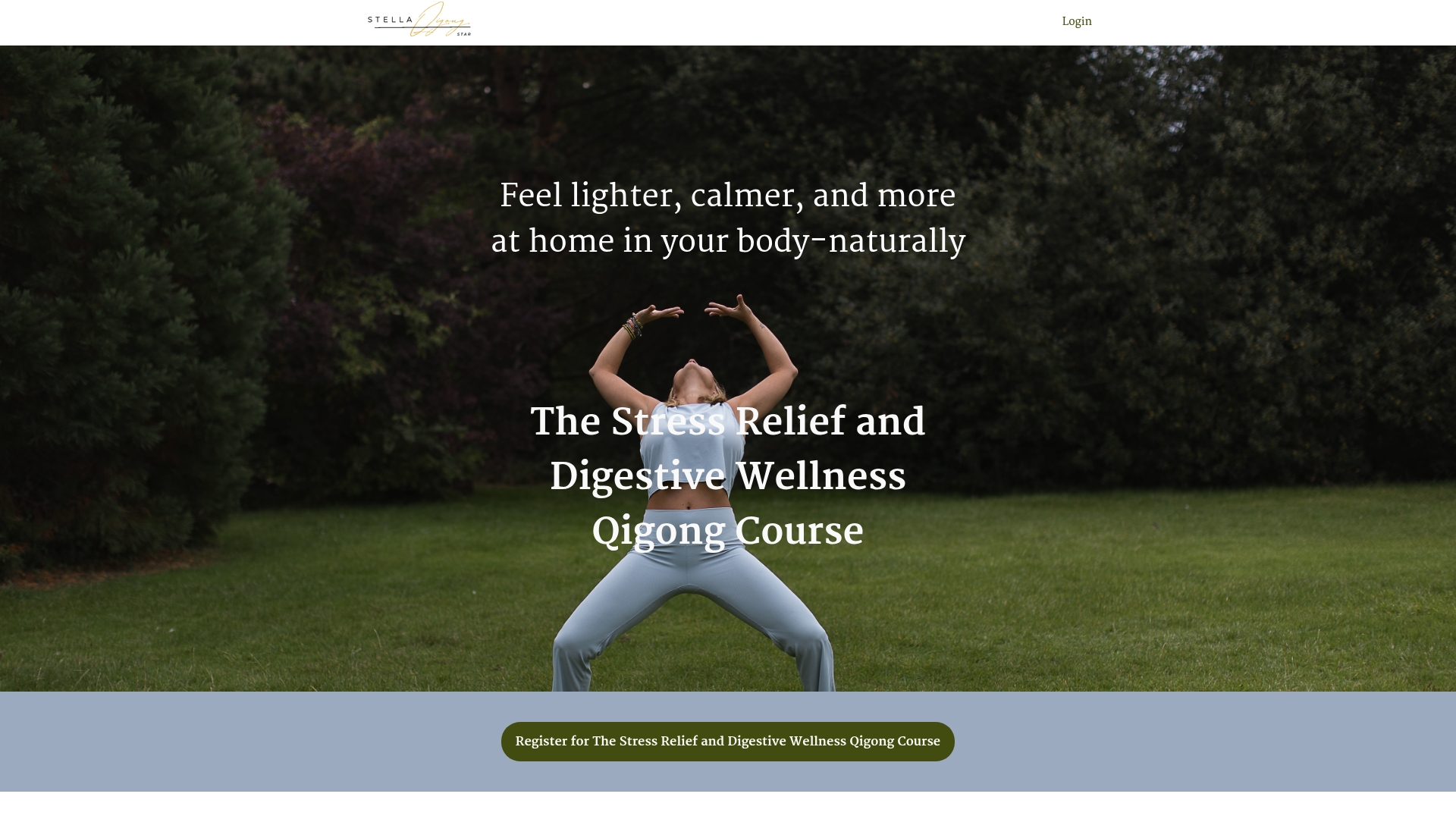
- Qigong for Stress Relief and Digestive Wellness: a fuller course for building a sustainable home practice.
- 30-Min Clarity Session: a focused introduction if you want personalized feedback before committing further.
- 60-Min Deep Dive Online Session or 60-Min Face-to-Face Qigong: for a deeper, guided exploration of technique and pacing.
- Group Qigong Classes: for the shared support and accountability that rehabilitation research links to steadier recovery, with pricing available on request.
Explore the online classes page to find the format that matches where you are right now.
Sources
- Effects of Qigong in patients with burnout: a randomized controlled trial.
- White Ball qigong randomized study (Frontiers in Psychology, 2024).
- Systematic review of qigong for perceived stress (2024).
- Qigong and psychological outcomes systematic review (2014).
- Burn-out an occupational phenomenon (WHO)
If you're weighing how findings from these studies apply to your own situation, a conversation with a clinician familiar with your health history is worth having before you change your care plan.
FAQ
How to fix burnout fast?
There is no fast fix for burnout, and treating it that way often backfires. Combining daily rest practices like qigong with workload changes, sleep repair, and clinical support tends to produce steadier, more lasting recovery than any single quick intervention.
Does qigong release trauma?
Qigong is not a clinically validated trauma treatment, and researchers describe its effects as working through slow movement, breath attention, and calming the nervous system rather than processing traumatic memory directly. Anyone working through trauma alongside burnout should involve a trained therapist rather than relying on movement practice alone.
What are some signs that I'm recovering from burnout?
Common signs include steadier energy through the day, improved sleep quality, less mental distance or cynicism toward your work, and better concentration. Recovery from burnout is typically gradual with ups and downs rather than a straight line, according to qualitative rehabilitation research.
What exercise is good for burnout?
Gentle, low-exertion practices like qigong, walking, and restorative yoga are well suited to burnout because they calm the nervous system without adding physical strain. Research on qigong specifically points to consistent, guided short sessions as helpful during recovery.