
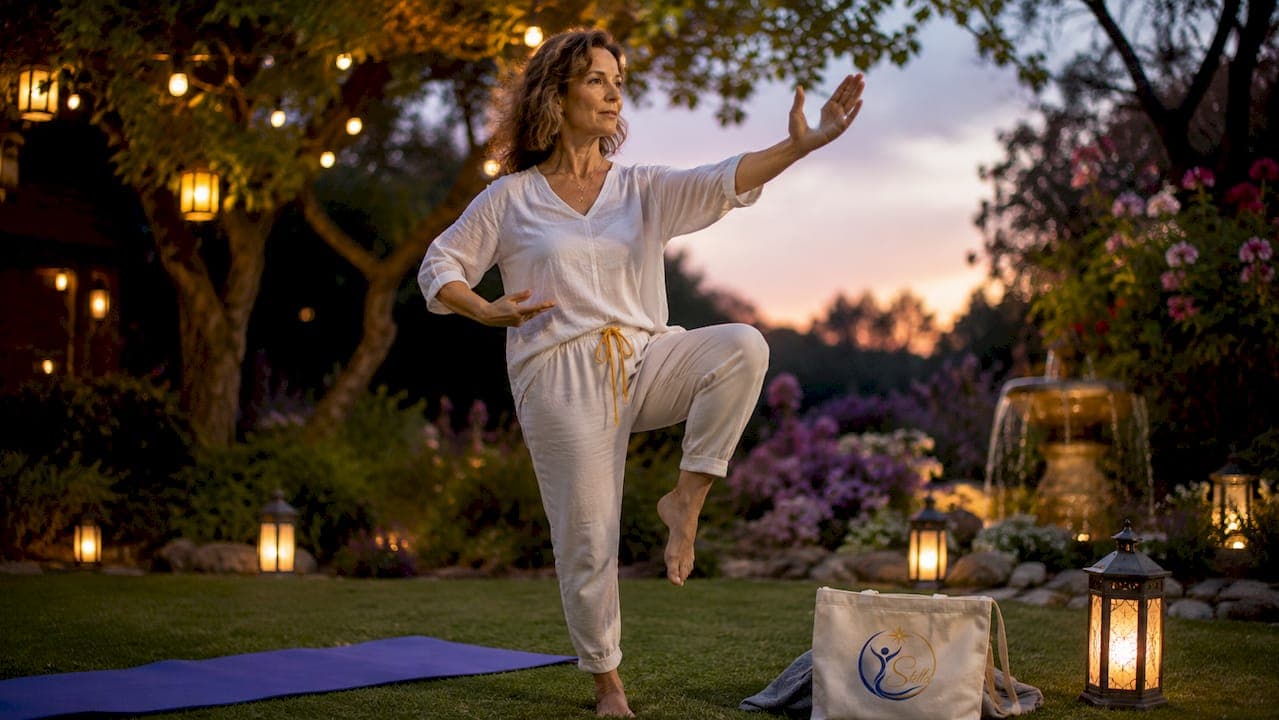
Progressive movement training is defined as a structured practice of gradually improving how your body moves by systematically increasing movement complexity, range, or load over time. Unlike conventional gym workouts that chase heavier weights or faster times, this approach prioritizes movement quality above all else. The result is a calmer, more capable body that resists injury and releases deep-held tension. Whether you are dealing with chronic stiffness, stress, or simply want to move through life with more ease, progressive movement training offers a gentle, sustainable path forward.
What is progressive movement training, and how does it work?
Progressive movement training is the practice of refining how you move, then gradually making those movements more challenging in a controlled way. The key word is gradual. You are not pushing through pain or chasing intensity. You are teaching your body new, better movement patterns and then expanding what those patterns can handle.
The concept draws from well-established principles in physical therapy and neuromuscular science. Neuromuscular training, for example, introduces controlled destabilizing stimuli that enable sensory reweighting, which means your nervous system learns to coordinate muscles more efficiently. That coordination is what makes movement feel effortless over time.
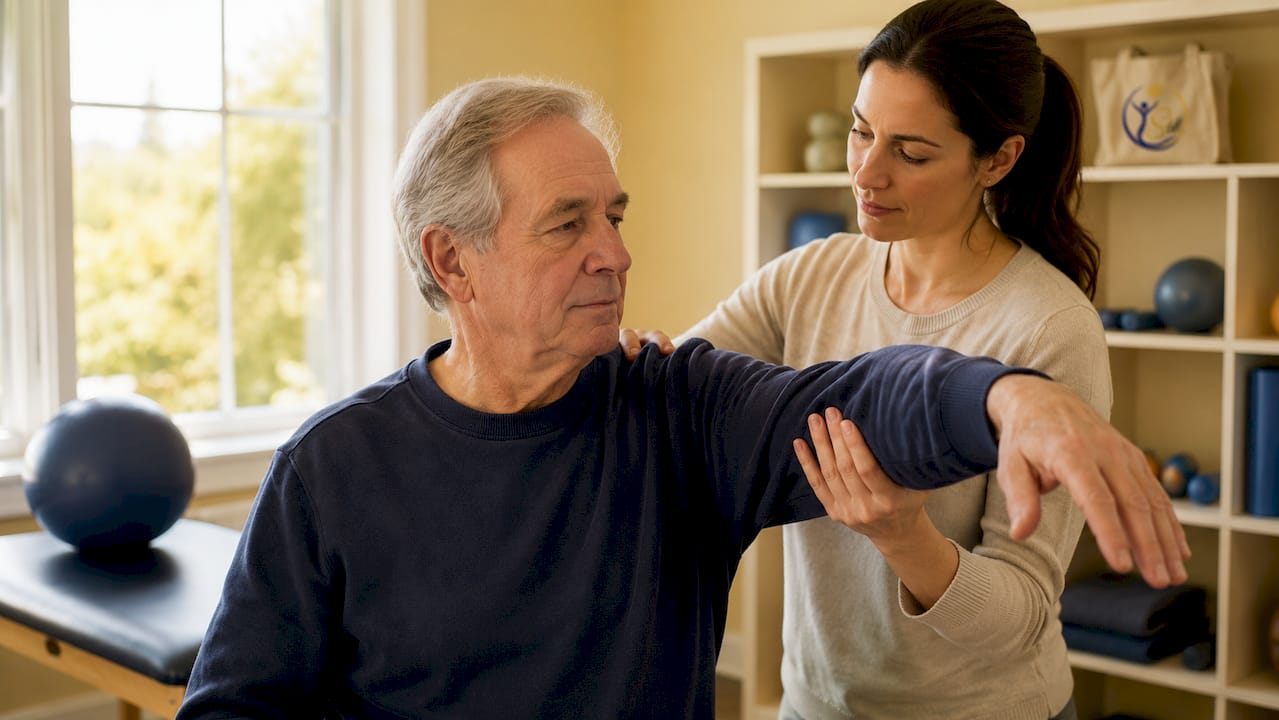
This approach also connects naturally to holistic movement therapy, which shares the same emphasis on gentle, purposeful practice. The goal is not peak athletic performance. The goal is lasting, functional movement that supports your daily life and overall wellbeing.
What are the core principles and methods of progressive movement training?
Three principles sit at the heart of every effective progressive movement program: precision, progression, and integration.
Precision means executing each movement with full attention to form. Research shows that refined movement quality reduces muscle damage markers by 40% and lowers injury risk by 25% per point of improvement in movement scores. That is a significant return on simply slowing down and moving well.
Progression means systematically increasing the demand on your body over time. Critically, progression is not confined to adding weight. You can progress by:
- Increasing your range of motion in a joint
- Slowing the tempo of a movement to increase time under tension
- Adding more repetitions or sets
- Introducing greater movement complexity or balance challenges
- Gradually adding light resistance
The classic DeLorme and Watkins Progressive Resistance Exercise (PRE) technique illustrates this well. It uses a 3-set system progressing from 50% to 100% of your 10-repetition maximum, totaling 30 reps per exercise, performed three times weekly with rest days in between. This model was originally developed for rehabilitation but applies beautifully to gentle, everyday movement training.
Integration means combining strength, flexibility, balance, and breath into a unified practice. No single component works in isolation. When you integrate them, you build the kind of full-body coordination that makes everyday tasks, from carrying groceries to sitting at a desk for hours, feel genuinely comfortable.
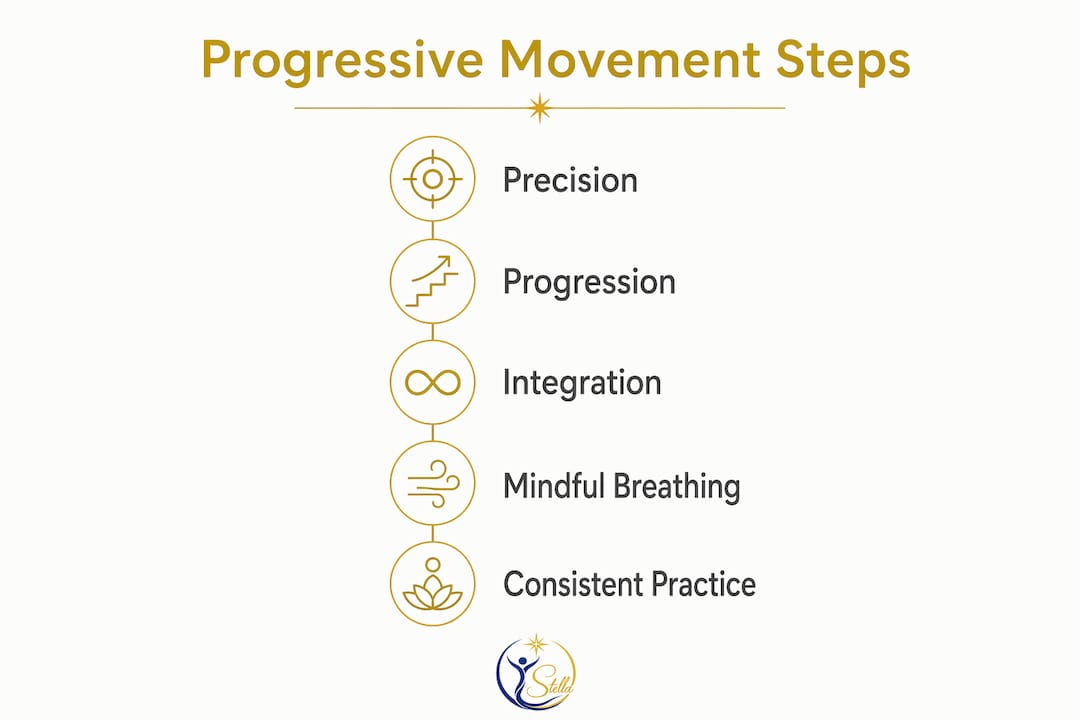
Pro Tip: Start every session with one minute of slow, mindful breathing before you move. This activates your parasympathetic nervous system and primes your body to absorb new movement patterns more effectively.
What are the benefits of movement training for mobility and stress relief?
The benefits of progressive movement training extend well beyond physical fitness. They reach into your nervous system, your mood, and your sense of calm.
On the physical side, consistent practice produces measurable results. Most people notice small mobility improvements within 2–4 weeks of gentle, regular movement. Lasting strength and functional gains typically appear after 2–3 months when practicing around 150 minutes of moderate activity per week. That timeline is encouraging because it means you do not need to wait long to feel a difference.
The specific physical benefits include:
- Reduced joint stiffness and improved range of motion
- Better postural stability and balance
- Lower risk of injury through refined movement control
- Decreased muscle tension and chronic pain signals
- Improved neuromuscular coordination
The mental and emotional benefits are equally real. Mindful, repetitive movement practice activates the body's relaxation response. Think of it as wringing out stress the way you wring water from a cloth. Each slow, intentional movement releases tension that accumulates from sitting, worrying, or rushing through the day.
Practices like qigong, which Qigongstar specializes in, align perfectly with progressive movement principles. They combine breath regulation, gentle physical progression, and focused attention to create a practice that soothes the nervous system while building real physical capacity. You can read more about this connection in movement as medicine and how it applies to everyday wellbeing.
How to practice progressive movement training at home
Starting a progressive movement practice at home requires no special equipment and very little time. What it does require is consistency and patience.
Follow these steps to build a sustainable practice from scratch:
-
Assess your starting point. Stand in front of a mirror and observe how you move through a simple squat, a forward fold, or a shoulder roll. Notice where you feel stiff, restricted, or unsteady. This is your baseline.
-
Choose two or three foundational movements. Keep it simple at first. A standing hip circle, a slow spinal roll, and a gentle side stretch cover the major movement planes without overwhelming you.
-
Practice in short, frequent sessions. Short sessions of 10–15 minutes daily retrain motor patterns far more effectively than occasional long workouts. Consistency beats duration every time, especially for beginners.
-
Apply one small progression each week. After seven days of practicing the same movements, add one layer of challenge. Slow the tempo, add one more repetition, or extend your range of motion by a few degrees.
-
Include a deload phase every four weeks. After four weeks of progression, reduce your intensity to around 65% of your usual effort for one week. This allows your tissues to recover and prevents burnout.
-
Listen to your body. Discomfort from gentle stretching is normal. Sharp pain, dizziness, or joint clicking are signals to stop and reassess. Your body communicates clearly when you slow down enough to hear it.
For those drawn to gentle, structured movement, walking qigong is an excellent entry point. It combines rhythmic movement with breath awareness and can be practiced anywhere, at any pace.
Pro Tip: Track your sessions in a simple notebook. Write down what you practiced, how it felt, and one thing you noticed in your body. This builds body awareness faster than any app.
How does progressive movement training differ from other exercise methods?
Progressive movement training occupies a distinct space between physical therapy and conventional strength training. Understanding those differences helps you choose the right approach for your goals.
| Aspect | Progressive movement training | Physical therapy | Conventional strength training |
|---|---|---|---|
| Primary goal | Long-term movement quality and function | Injury rehabilitation and recovery | Strength, muscle mass, or endurance |
| Focus | Movement complexity and neuromuscular control | Restoring specific impaired function | Load and volume increase |
| Intensity approach | Gradual, quality-first progression | Clinically guided, symptom-based | Progressive overload, often intensity-driven |
| Suitable for | Preventive care, stress relief, mobility | Post-injury or post-surgery patients | Athletes and fitness-focused individuals |
| Nervous system role | Central, via sensory reweighting | Supportive, for motor relearning | Secondary to physical output |
Physical therapy focuses on restoring function after injury. Conventional strength training focuses on building physical output. Progressive movement training sits in the preventive middle ground. It builds long-term physical resilience by expanding your movement reserves before problems arise.
The neuromuscular dimension sets it apart most clearly. Overloading through movement complexity rather than raw load promotes neuroplasticity and sustainable motor learning. That means your brain and nervous system adapt alongside your muscles, creating coordination that holds up in real life, not just in the gym.
For those managing chronic discomfort, this distinction matters deeply. Gentle progressive approaches that respect the nervous system are often far more effective than pushing through pain. Qigongstar's approach to holistic chronic pain relief reflects exactly this philosophy.
Key Takeaways
Progressive movement training builds lasting physical function by prioritizing movement quality, neuromuscular adaptation, and gradual progression over intensity or load.
| Point | Details |
|---|---|
| Quality before intensity | Refined movement form reduces injury risk and builds sustainable physical capacity. |
| Progress beyond weight | Increase range, tempo, reps, or complexity, not just resistance, to keep advancing. |
| Short sessions win | Daily 10–15 minute practices retrain movement patterns more effectively than long, infrequent workouts. |
| Deload to grow | Reducing intensity every four weeks prevents burnout and supports long-term consistency. |
| Nervous system matters | Neuromuscular adaptation and sensory reweighting are central to lasting movement improvement. |
What I have learned from watching people rush their practice
The most common mistake I see is treating progression as a race. Someone feels good after two weeks, doubles their effort, and then wonders why they are sore, stiff, or discouraged by week four. The most frequent error in progressive movement training is confusing progression with intensity increase. Real progression is quieter and more patient than that.
What I have found, working with people across a wide range of ages and fitness backgrounds, is that the ones who make the most lasting change are not the ones who push hardest. They are the ones who show up consistently, move with attention, and trust the process. A ten-minute daily practice done with genuine focus will outperform a forty-minute session done on autopilot, every single time.
The mindset shift that matters most is moving from "how much can I do?" to "how well can I do this?" That question changes everything. It slows you down in the best possible way. It makes you notice your body instead of override it. And over months, it builds a kind of physical confidence that no amount of intensity can manufacture.
Deload weeks are not weakness. They are wisdom. Your body needs space to consolidate what it has learned. Skipping that phase is like studying all night before an exam and wondering why nothing sticks. Give your nervous system time to integrate, and it will reward you with movement that feels genuinely free.
— Stella
Qigongstar's online courses for gentle, progressive movement
Qigongstar offers online qigong classes designed specifically for people who want to move gently, reduce stress, and build real physical ease over time. Every course is beginner-friendly and structured around the same progressive principles covered in this article: quality first, gradual challenge, and consistent short practice.
The 5 Animal Qigong course is a particularly strong fit for anyone drawn to mindful, progressive movement. It guides you through five distinct movement sequences inspired by nature, each building coordination, breath awareness, and calm energy. Sessions are accessible from home, on your own schedule, with no equipment required. If you are ready to awaken your energy and build a practice that genuinely supports your wellbeing, Qigongstar's courses offer a warm, structured place to begin.
FAQ
What is progressive movement training in simple terms?
Progressive movement training is a practice of gradually improving how your body moves by increasing movement complexity, range, or load in small, controlled steps over time. The focus is always on movement quality before intensity.
How long does it take to see results from progressive movement training?
Most people notice small mobility improvements within 2–4 weeks of consistent gentle practice. Lasting functional gains typically appear after 2–3 months of regular sessions.
Can beginners do progressive movement training at home?
Yes. Short daily sessions of 10–15 minutes using bodyweight movements, gentle stretching, or qigong are ideal starting points. No equipment is needed to begin building better movement patterns.
How is progressive movement training different from stretching?
Stretching targets flexibility in isolation. Progressive movement training combines flexibility, strength, balance, and neuromuscular coordination into a unified, gradually advancing practice that improves overall functional movement.
How often should I include a deload phase?
After every four weeks of progressive training, reduce your effort to around 65% of your usual intensity for one week. This supports tissue recovery and prevents overtraining.