
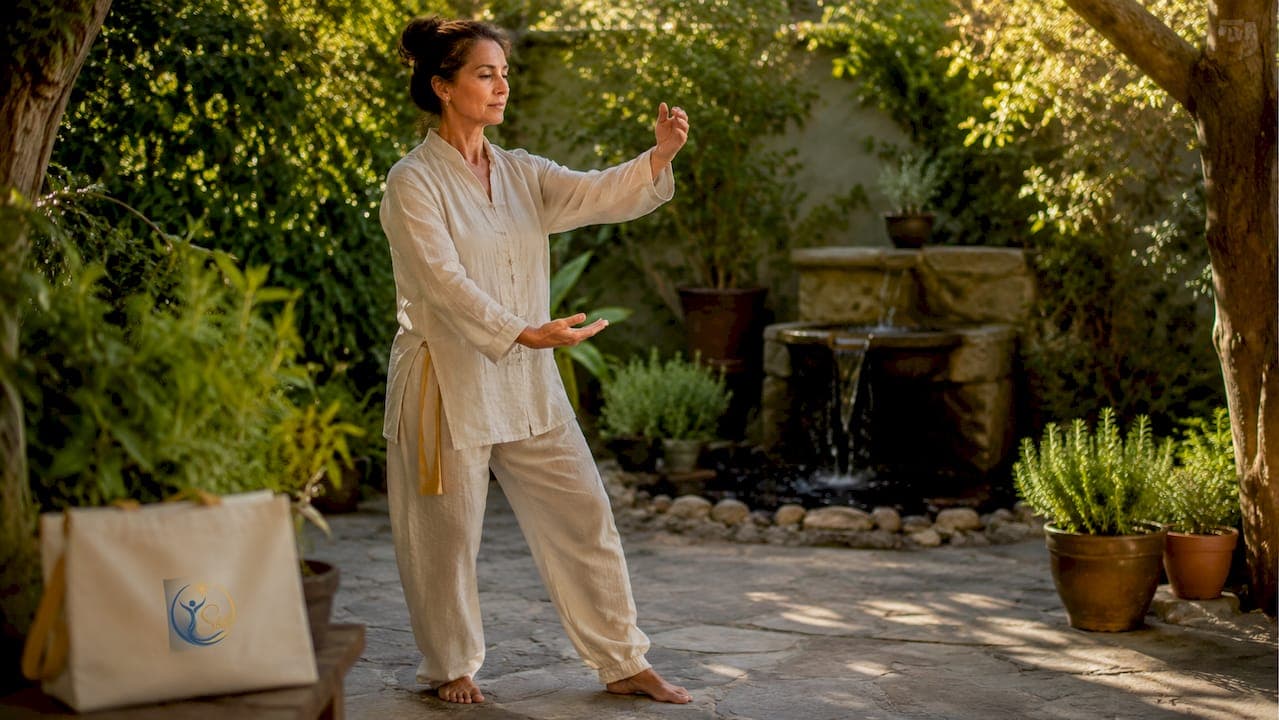
Movement as medicine is defined as the therapeutic use of physical movement to prevent, treat, and manage disease across the body and mind. This concept, formally championed by organizations like the Faculty of Sport and Exercise Medicine UK and the CDC, positions regular physical activity not as a lifestyle bonus but as a clinical necessity. The evidence is clear: movement reduces cardiovascular disease risk, eases depression, regulates blood sugar, and sharpens cognition. Understanding what the movement as medicine concept means gives you a direct path to better health without a prescription.
What is the movement as medicine concept, and what does the evidence say?
Movement as medicine is the clinical framework that treats physical activity as a primary health intervention, not a supplement to care. The Faculty of Sport and Exercise Medicine UK states that physical activity should be a mandatory partner to all long-term medical prescriptions, given its outstanding benefit-to-harm ratio. That is a strong claim. It means your doctor should be asking about your movement habits the same way they ask about your medications.
The CDC confirms that 150 minutes of moderate activity per week produces immediate benefits: reduced anxiety, better sleep, and lower blood pressure. That threshold is achievable. A 30-minute walk five days a week meets it entirely.
Clinical research shows movement reduces the risk of cardiovascular disease, type 2 diabetes, and depressive symptoms at rates comparable to pharmaceutical treatments. That comparison surprises most people. It means movement is not a soft alternative to medicine. It is medicine.
Physical activity also functions as a broad-spectrum intervention, improving cardiovascular, cognitive, and musculoskeletal health at the same time. No single drug does that without side effects. Movement does it with almost none.

| Health Domain | Benefit of Regular Movement |
|---|---|
| Cardiovascular | Lowers blood pressure and reduces heart disease risk |
| Mental health | Reduces anxiety and depressive symptoms |
| Metabolic | Improves insulin sensitivity and blood sugar control |
| Cognitive | Sharpens focus, memory, and emotional regulation |
| Musculoskeletal | Strengthens joints, reduces chronic pain |
How does movement heal? The biological and psychological mechanisms
Movement heals by changing your body's chemistry, not just its shape. When you move, your brain releases endorphins and serotonin, both of which directly regulate mood. Your muscles produce anti-inflammatory proteins called myokines, which reduce systemic inflammation linked to depression, diabetes, and heart disease. This is why movement works on so many conditions at once.
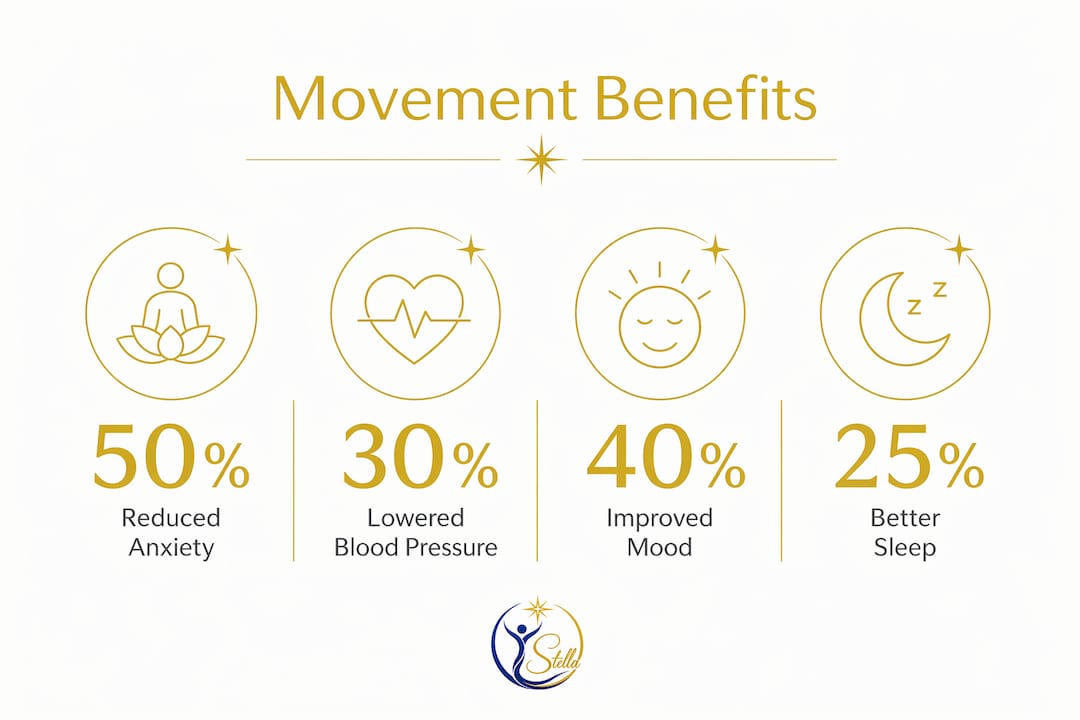
Mindful movement practices like Qigong and Tai Chi go a step further. They bridge physical exertion and cognitive regulation, reducing stress hormones while improving emotional processing. The breath coordination in these practices activates the parasympathetic nervous system, which calms the body's stress response at a physiological level.
Movement therapy also reaches places that talk therapy cannot. Research shows that movement bypasses verbal limitations in mental health treatment, allowing people to express trauma and emotions that words alone cannot reach. This is why Dance/Movement Therapy is used in trauma recovery, eating disorder treatment, and grief processing.
Key biological effects of regular movement include:
- Hormonal regulation: Lowers cortisol and raises serotonin and dopamine
- Inflammation reduction: Myokines from muscle contractions suppress chronic inflammation
- Neuroplasticity: Movement stimulates brain-derived neurotrophic factor (BDNF), which supports new neural connections
- Gut-brain axis support: Gentle movement like Qigong stimulates digestion and reduces gut tension
- Immune modulation: Moderate activity strengthens immune response without overtaxing the body
Pro Tip: If you feel mentally foggy or anxious, try five minutes of slow, deliberate breathing combined with gentle arm movements. This activates the vagus nerve and can shift your nervous system from stress mode to calm within minutes.
What types of movement count as movement as medicine?
The biggest misconception about exercise as medicine is that it requires intensity. Many people picture gym sessions, long runs, or athletic training. The reality is far more accessible. Sustainable benefits come from consistent low-to-moderate intensity micro-movements like stretching, mindful walking, and deliberate breathing, not from pushing your limits.
The movement therapy definition from clinical research covers a wide range of practices. Dance/Movement Therapy, for example, shows large effect sizes in treating depression and anxiety, often exceeding other therapeutic approaches. That means a gentle, expressive movement class can outperform conventional talk therapy for some people.
Here are five categories of movement that qualify as medicine:
- Aerobic movement: Walking, cycling, swimming. Builds cardiovascular health and lifts mood through endorphin release.
- Mindful movement: Qigong, Tai Chi, yoga. Combines breath, intention, and gentle motion to regulate the nervous system.
- Dance/Movement Therapy: Structured therapeutic practice guided by a trained therapist. Treats trauma, depression, and anxiety.
- Stretching and mobility work: Reduces chronic pain, improves posture, and supports joint health.
- Micro-movements: Short bursts of activity throughout the day. Standing, walking to a window, gentle neck rolls. These add up significantly.
| Movement Type | Intensity | Primary Health Benefit | Accessibility |
|---|---|---|---|
| Walking | Low | Cardiovascular, mood | Very high |
| Qigong | Low to moderate | Stress, digestion, cognition | High |
| Dance/Movement Therapy | Low to moderate | Mental health, trauma | Moderate |
| Aerobic exercise | Moderate to high | Heart health, metabolism | Moderate |
| Stretching/mobility | Low | Pain relief, flexibility | Very high |
You do not need a gym membership to access the benefits of movement as medicine. A daily 20-minute walk, a short Qigong routine, or even mindful stretching before bed all count. The key is consistency, not intensity.
How can you bring movement as medicine into your daily life?
Start with the CDC benchmark: 150 minutes of moderate activity per week. That breaks down to about 21 minutes per day. For most people, that is a walk after lunch and a short movement session in the evening.
The research on dose and response is encouraging. The greatest health gains come from shifting out of a sedentary lifestyle, not from training harder. Moving from zero activity to a little activity produces more benefit than moving from moderate to intense. You do not need to run a marathon. You need to stop sitting still.
Here is a practical framework to get started:
- Anchor movement to existing habits. Walk after meals. Stretch while your coffee brews. Link movement to something you already do every day.
- Choose movement you enjoy. Enjoyment drives consistency. If you love music, try a dance-based practice. If you prefer calm, try mindful walking or Qigong.
- Start with 10 minutes. Research confirms that even short bouts of movement improve mood and energy. Build from there.
- Add breath awareness. Pairing slow, deliberate breathing with movement amplifies the calming effect on your nervous system.
- Track your progress simply. A weekly note of how you feel, your sleep quality, and your energy levels shows you the real benefits over time. Qigongstar's guide on measuring wellness progress offers a practical framework for this.
Pro Tip: Set a recurring 10-minute reminder in the afternoon, the time when cortisol naturally dips and energy slumps. Use it for a short Qigong or stretching session. This single habit can reduce stress accumulation across the entire week.
Avoid the common trap of all-or-nothing thinking. Missing one day does not erase your progress. What matters is returning to your practice the next day. Gentle, consistent movement reshapes your body and mind over weeks and months, not overnight.
Key Takeaways
Movement as medicine is the most accessible, broad-spectrum health intervention available, requiring no prescription and producing benefits across physical, mental, and emotional health simultaneously.
| Point | Details |
|---|---|
| Movement is clinical medicine | The Faculty of Sport and Exercise Medicine UK calls physical activity a mandatory partner to medical prescriptions. |
| 150 minutes per week is the threshold | The CDC confirms this level of moderate activity improves mood, sleep, and blood pressure immediately. |
| Low intensity still works | The greatest health gains come from moving off a sedentary baseline, not from high-intensity training. |
| Mindful movement adds depth | Practices like Qigong combine physical and cognitive regulation, amplifying the medicinal effect of movement. |
| Consistency beats intensity | Short, daily movement sessions produce stronger long-term results than occasional intense workouts. |
Why I think movement as medicine is the most underused health tool we have
I have worked with people who have tried every supplement, every diet, and every wellness trend. The ones who experience the most lasting change are almost always the ones who found a movement practice they could sustain. Not a punishing workout routine. A gentle, consistent practice that fits their life.
What strikes me most is how quickly the benefits show up. Within days of starting a regular Qigong or walking practice, people report sleeping better and feeling less reactive to stress. That is not placebo. That is your nervous system recalibrating.
The part that conventional medicine still underestimates is the emotional dimension. Movement does not just strengthen your body. It helps you process what you are carrying. When words run out, movement finds another way through. I have seen this in people recovering from grief, burnout, and chronic stress. The body holds what the mind cannot always articulate.
My honest view is that the movement as medicine concept should be the first conversation in any wellness plan, not the last. You do not need to be fit to start. You need to be willing to move, gently and regularly, and trust that your body knows how to respond.
— Stella
Qigongstar's online courses for stress relief and digestive wellness
If you are ready to put the movement as medicine concept into practice, Qigongstar offers a direct path forward.
Qigongstar's online qigong classes are designed for people seeking natural relief from stress, anxiety, and digestive issues through gentle, guided movement. The courses are beginner-friendly, on-demand, and rooted in Chinese Medicine traditions including White Tiger Qigong and Five Animal Qigong. Each session combines breath regulation, mindful movement, and energetic awareness to calm your nervous system and support gut health. You can access the full range of online courses and classes from anywhere, at any pace that suits your life.
FAQ
What is the movement as medicine concept?
Movement as medicine is the clinical framework that treats regular physical activity as a primary therapeutic tool for preventing and managing disease. It is backed by organizations like the CDC and the Faculty of Sport and Exercise Medicine UK.
How much movement do you need to see health benefits?
The CDC recommends at least 150 minutes of moderate-intensity activity per week. Even small amounts of daily movement produce measurable improvements in mood, sleep, and blood pressure.
Does movement really work as well as medication?
Clinical evidence shows that regular movement reduces cardiovascular disease, type 2 diabetes, and depressive symptoms at rates comparable to pharmaceutical treatments in some cases. It is not a replacement for all medications, but it is a powerful complement.
What types of movement count as movement therapy?
Movement therapy includes Dance/Movement Therapy, Qigong, Tai Chi, mindful walking, stretching, and aerobic exercise. Low-to-moderate intensity practices done consistently produce strong, lasting health benefits.
Can gentle movement like Qigong really improve mental health?
Yes. Mindful movement practices like Qigong reduce cortisol, activate the parasympathetic nervous system, and support emotional regulation. Research confirms they bridge physical exertion and cognitive regulation to reduce stress and improve emotional processing.