
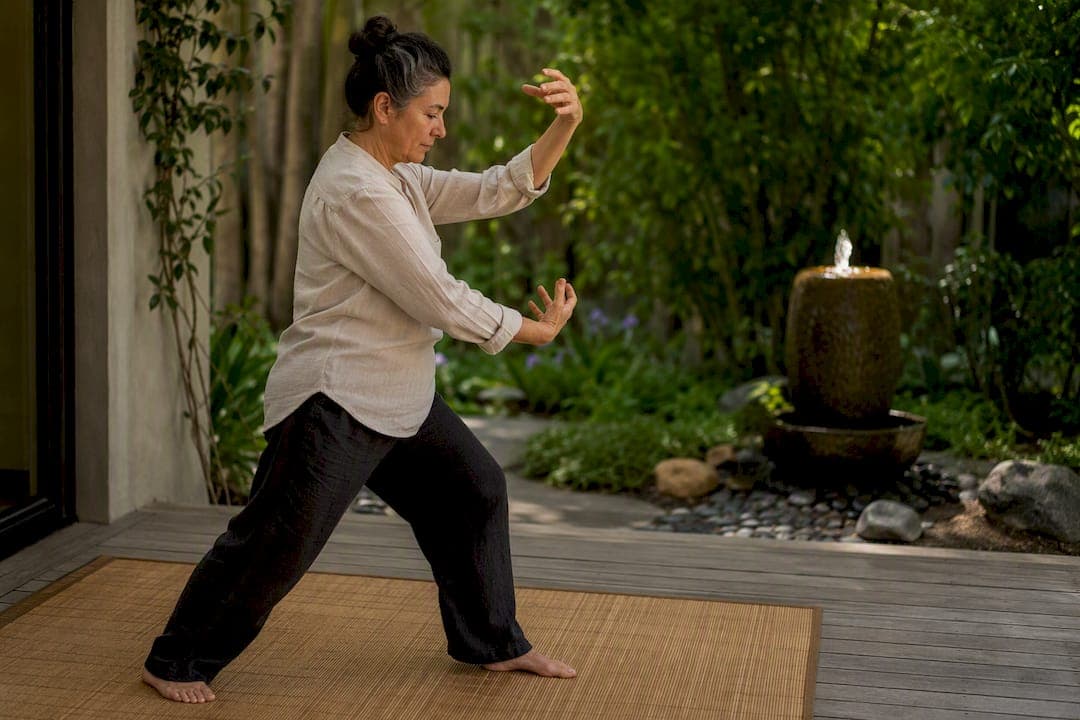
When your mind won't stop spinning, the fastest way back to calm usually isn't sitting still. It's short, gentle movement paired with counted breathing. For many people, this combination interrupts racing thoughts faster than a traditional seated meditation, because the body gives the mind something steady to hold onto.
Here are three options you can start right now, each timed so you know exactly when you're done.
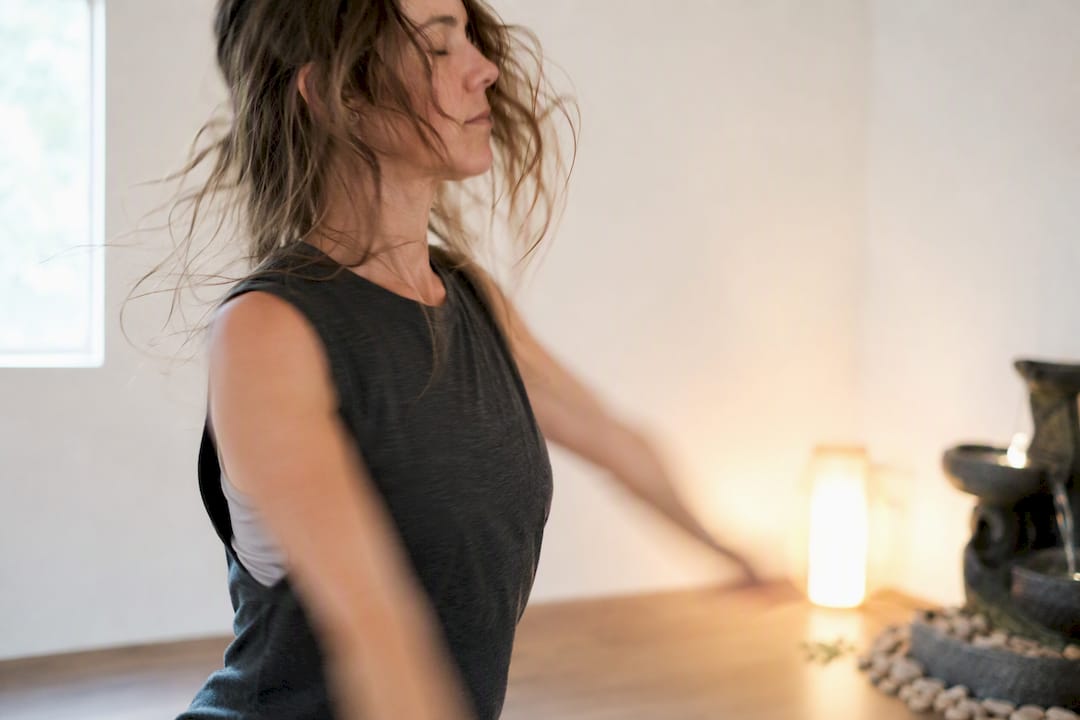
- Grounding shake (60–90 seconds): Stand with soft knees, shake your hands, arms, and shoulders loosely, like you're flicking water off your fingers. Let your breath fall wherever it wants.
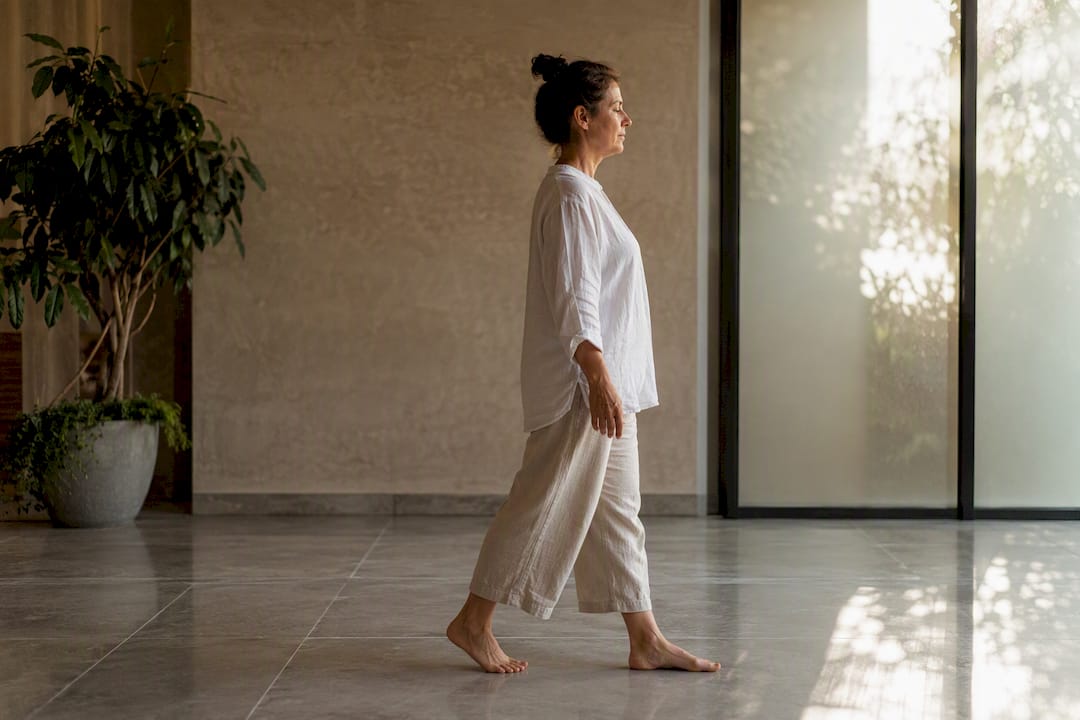
- Mindful walking in place (2 minutes): March gently, inhaling for four steps, exhaling for four steps. Feel your feet, not your thoughts.
- Standing belly breath sequence (3 minutes): Feet hip width apart, hands resting on your belly. Inhale through your nose for a count of four, feeling your belly expand into your hands, then exhale for a count of six.
Pro Tip: Pick one word, like "settle" or "soften," and say it silently as you begin. Anchor the practice to something physical nearby, like touching a doorframe or resting a hand on a chair back, so your body knows the exercise has officially started.
Key Takeaways
Movement paired with counted breathing calms racing thoughts more reliably than sitting still for many people, especially when practiced daily in short sessions.
| Point | Details |
|---|---|
| Start with micro-practices | Grounding shakes, mindful walking, and belly breathing work in 1 to 5 minutes when thoughts start racing. |
| Match movement to arousal | High restlessness calls for shaking or walking; a foggy, tense mind suits slower qigong or yoga. |
| Practice daily, briefly | Regular short daily practice builds durable positive changes over a few weeks, according to Harvard Health guidance. |
| Know when to seek help | Persistent, intrusive, or self-harm-related thoughts need a GP or mental health professional, not just movement. |
| Try guided instruction | Stella Qigong offers beginner-friendly White Tiger Qigong and Five Animal Qigong classes, live and on-demand. |
Table of Contents
- Why Movement-Based Meditation Calms Racing Thoughts
- Movement Meditation Techniques You Can Try Today
- What Breathing Pattern Works Best With Movement?
- A Bedtime Routine to Quiet a Busy Mind
- How Often Should You Practice, and When Should You Get Help?
- How Stella Qigong Supports a Racing Mind
- Try a Guided Qigong Class for a Busy Mind
- Frequently Asked Questions
- Sources
Why Movement-Based Meditation Calms Racing Thoughts
Movement works because it anchors your attention in the body and a repeating rhythm, which gives a racing mind less room to spiral. Instead of chasing one thought after another, your focus lands on the sensation of your feet, your breath, or the sway of your arms.
Harvard Health notes that rhythmic, repetitive activities like walking, qigong, and tai chi can trigger what's known as the relaxation response, a physiological shift that lowers heart rate and eases muscle tension as it helps regulate stress physiology. A broader review of mind–body practices backs this up, pointing to measurable reductions in stress and anxiety symptoms when breath and body-focused techniques are practiced consistently.
Rhythmic, repetitive motion gives attention a continuous object to rest on. That's often what a racing mind is missing: something steady to follow instead of chase.
Not all movement needs to look the same. A brisk walk works well when restlessness feels physical and urgent. A slower qigong flow suits a mind that's wired but not jittery.
Pro Tip: If you feel keyed up and can't sit still, start with shaking or walking. If you feel foggy or tense but not jittery, go straight to a slower qigong or gentle yoga sequence.
Movement Meditation Techniques You Can Try Today
Each of these scripts takes 3 to 10 minutes. Set your intention out loud before you start, even something as simple as "I'm going to settle my mind for the next five minutes."
1. Mindful walking (5 minutes). Walk slowly, indoors or in place if space is tight. Sync one breath to every two steps. When a thought pulls you away, silently note "thinking" and return to your footsteps. Finish with 15 seconds of stillness before sitting down.
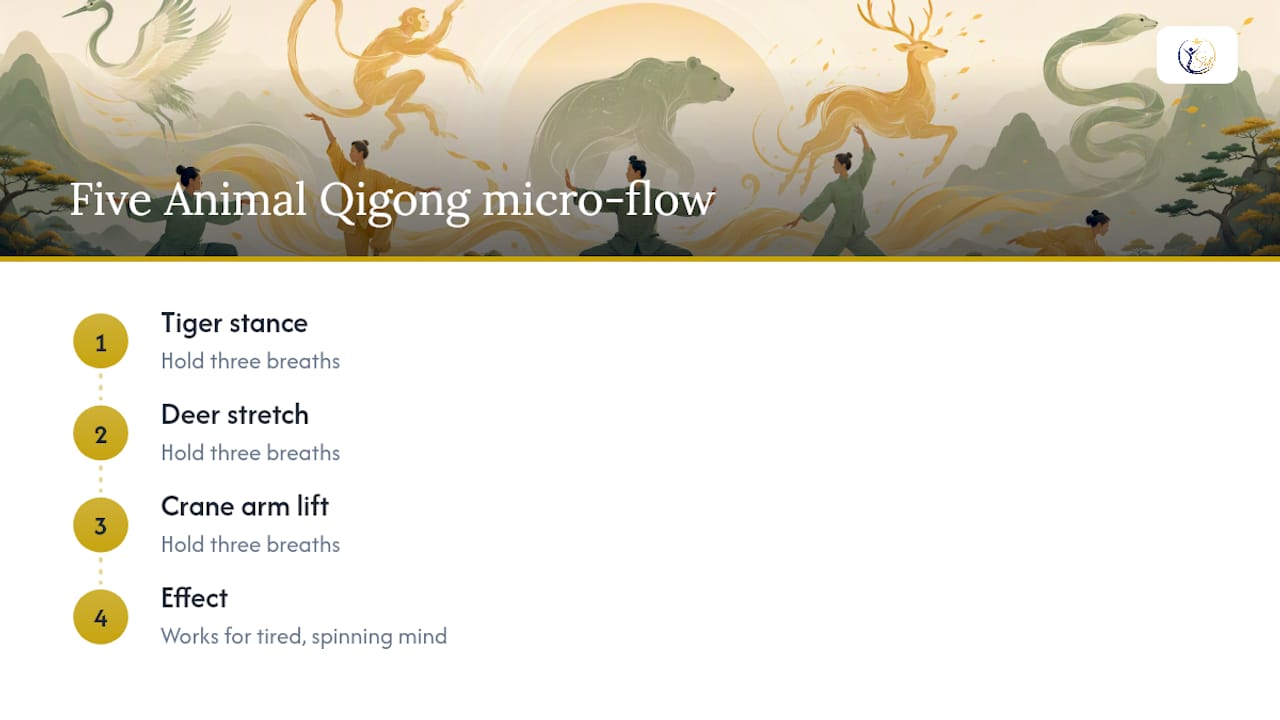
2. Five Animal Qigong micro-flow (6 minutes). Borrowing from the traditional Five Animal Qigong forms, move through simple postures inspired by the tiger's steady stance, the deer's gentle stretch, and the crane's slow arm lift, holding each for three breaths. This sequence works well for a mind that's tired but still spinning.
3. Gentle yoga flow (4 minutes). Cat-cow, standing forward fold, gentle side bend, and a supported twist, each held for three to five breaths. Move slower than feels natural. This is the sequence Calm's guide to moving meditation points to as one of the most approachable entry points for beginners.
4. Rhythmic shaking into stillness (5 minutes). Shake your whole body for 90 seconds, then gradually slow the movement over two minutes until you're standing still with three slow breaths. This shake-to-still pattern mirrors what movement-based practices for restless minds describe as a faster route to calm for people who find stillness uncomfortable at first.
If mobility is limited, every script above adapts to seated versions, just move your arms, shoulders, and torso instead of your legs. In noisy or shared spaces, drop the shaking and lean on slow walking or seated qigong instead.
Pro Tip: Match your breath ratio to your arousal. A racing, anxious mind often responds better to a 1:2 ratio (inhale for four, exhale for eight). A tired, foggy mind usually does fine with an even 1:1 ratio.
What Breathing Pattern Works Best With Movement?
Counted belly breathing paired with a simple visualization gives your attention something concrete to hold onto while your body moves. The counting matters because it gives your mind a small job, one it can actually finish, unlike a racing thought.

The NHS breathing guide for stress recommends repeating a regulated breathing pattern for at least five minutes to see a real dip in stress levels, not just one or two rounds.
For a short visualization to pair with any of the movements above, try this three-step script:
- Picture a steady, neutral image, a still lake, a slow-turning wheel, or a candle flame.
- With each exhale, imagine a small wave of tension leaving your body and dissolving into that image.
- After five or six breaths, let the image fade and simply notice how your body feels.
If visualization ever feels unsettling rather than calming, especially for trauma survivors, swap it for a sensory anchor instead: the texture of your sleeve, the temperature of the air, or the sound of your own footsteps.
Healthline's anxiety exercise guide offers similar counting and visualization tools if you want more variations to rotate through.
A Bedtime Routine to Quiet a Busy Mind
A slow, six to ten minute movement and breath sequence before bed helps shift your body out of alert mode and into something closer to sleep readiness.
- Gentle walking (2 minutes): Slow steps around the room, arms relaxed, breath unforced.
- Hip sway (1 minute): Standing, shift weight gently side to side, letting your arms swing loosely.
- Standing qigong mini-flow (3 minutes): Slow arm raises on the inhale, gentle release on the exhale, four to six repetitions.
- Progressive release lying down (2–3 minutes): Lying flat, tense and release each muscle group from feet to face.
Pro Tip: Dim the lights before you begin, choose one calming word to repeat silently, and end lying down with three long, slow breaths, each exhale a little longer than the inhale.
How Often Should You Practice, and When Should You Get Help?
A short daily practice of 5 to 15 minutes, backed up by one to two minute micro-interventions whenever thoughts start racing, is the pattern most likely to stick and to actually work.
- Immediately: Micro-practices like shaking or belly breathing tend to bring noticeable relief within a few minutes.
- Within 2 to 6 weeks: Daily short practice tends to build more durable change, according to Harvard Health's guidance on slowing racing thoughts, which points to consistency over intensity.
- Ongoing: Short daily sessions make the in-the-moment micro-interventions more effective over time, since your body starts to recognize the cues faster.
If racing thoughts are constant, intrusive, tied to panic, or accompanied by thoughts of self-harm, movement and breathing exercises are not enough on their own. Contact a GP or a mental health professional promptly.
Pro Tip: Attach your daily practice to something you already do, right after brushing your teeth or right before your morning coffee, so it doesn't rely on willpower alone.
How Stella Qigong Supports a Racing Mind
Stella Qigong builds guided routines specifically for people whose minds won't slow down, using traditional forms adapted for modern stress. If the scripts above helped, guided instruction takes the guesswork out of pacing, breath timing, and posture.
A typical starter routine, adapted from White Tiger Qigong, runs about five minutes:
- Standing centering breath (1 minute)
- Slow tiger-stance weight shifts, side to side (2 minutes)
- Arm-raise and release sequence timed to breath (2 minutes)
Classes are taught by instructors certified through the White Tiger Qigong School and Yoga Alliance, with both live sessions and on-demand qigong classes available for beginners.
- Beginner-friendly pacing, no prior qigong experience needed
- Options for both structured Five Animal Qigong sequences and standalone White Tiger Qigong sessions
Why Movement Opens the Door to Stillness
For a restless mind, stillness often feels like the last thing that will work, and pushing straight into seated meditation can backfire. Movement tends to open that door first. What matters more than finding the "perfect" practice is showing up consistently, even for three minutes. Every routine in this guide can be adjusted to fit your energy that day, and structured qigong classes are there when you want steadier guidance.
Try a Guided Qigong Class for a Busy Mind
If the scripts above gave your mind a moment of quiet, a guided class builds that skill further, with pacing and cues you don't have to design yourself. Stella Qigong's online classes and on-demand courses are built around the same calming principles covered here: gentle movement, breath regulation, and short, repeatable sequences that work for beginners.
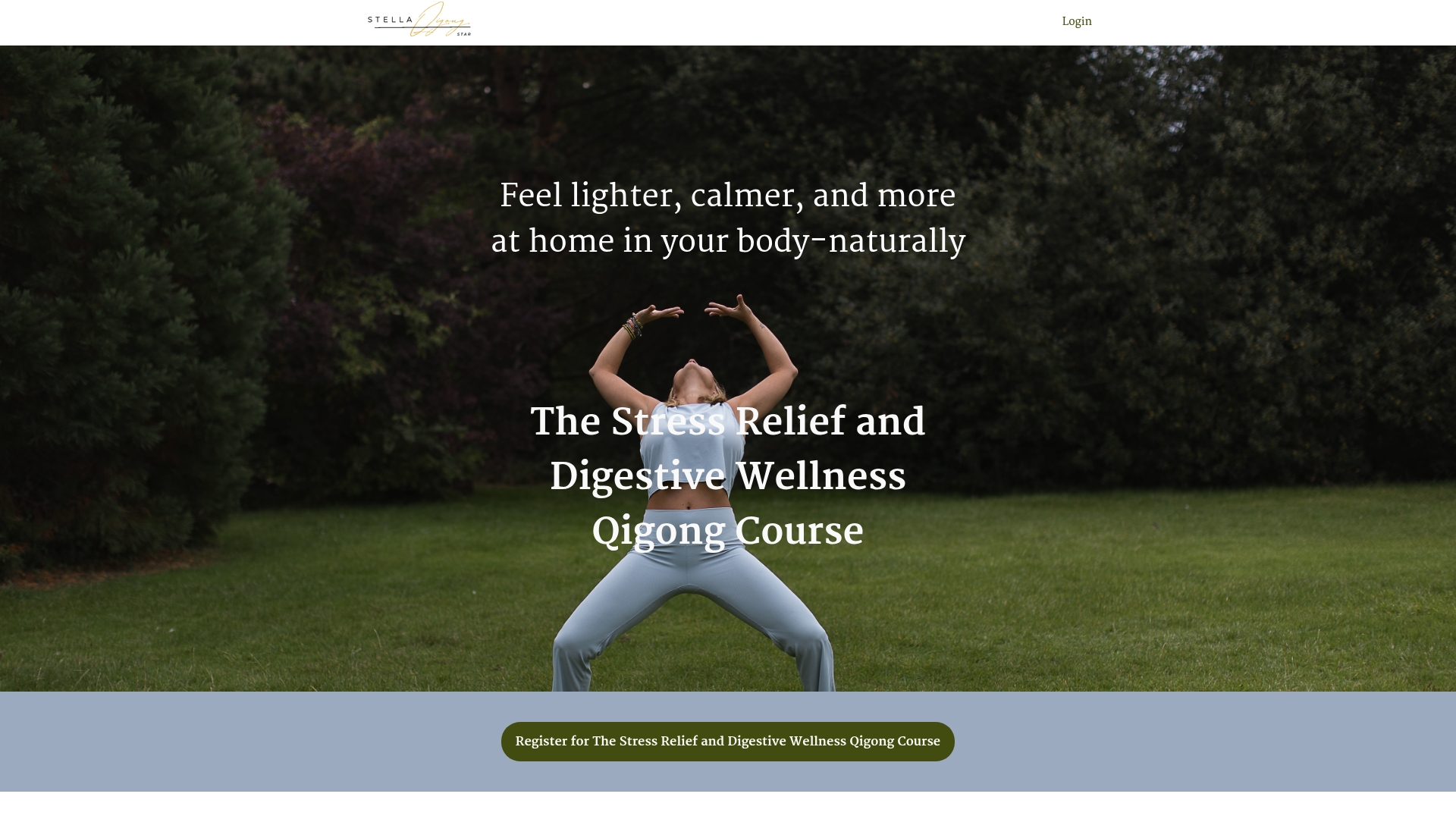
These routines are not a substitute for medical care. If racing thoughts are persistent or distressing, talk to a GP or mental health professional alongside any movement practice. For a low-pressure starting point, the Five Animal Qigong course walks you through each posture at a beginner-friendly pace, with certified instruction guiding you the whole way.
Frequently Asked Questions
What is the fastest way to stop racing thoughts? A short burst of movement, like a 60 second grounding shake or two minutes of mindful walking, paired with slow counted breathing, tends to interrupt racing thoughts faster than trying to sit still and think your way out of it.
Can qigong help with anxiety and racing thoughts? Yes. Qigong combines slow, rhythmic movement with breath regulation, which Harvard Health identifies as a reliable trigger for the relaxation response, making it a solid option for a busy or anxious mind.
How long should I practice movement meditation each day? Five to 15 minutes daily is a realistic target, backed up by shorter one to two minute micro-practices whenever racing thoughts show up unexpectedly during the day.
Is walking a form of meditation? Yes. Mindful walking, where you sync breath to steps and bring attention to physical sensation, counts as a legitimate moving meditation and is one of the most accessible entry points for beginners.
When should I see a doctor about racing thoughts? If racing thoughts are constant, intrusive, disrupt sleep or daily function, or come with thoughts of self-harm, movement and breathing techniques aren't enough on their own. Contact a GP or mental health professional.
Sources
- Breathing exercises for stress - NHS
- NCBI review article (PMC3573542)
- How to reduce stress and anxiety through movement and mindfulness - Harvard Health
- Anxiety exercises that may help - Healthline