
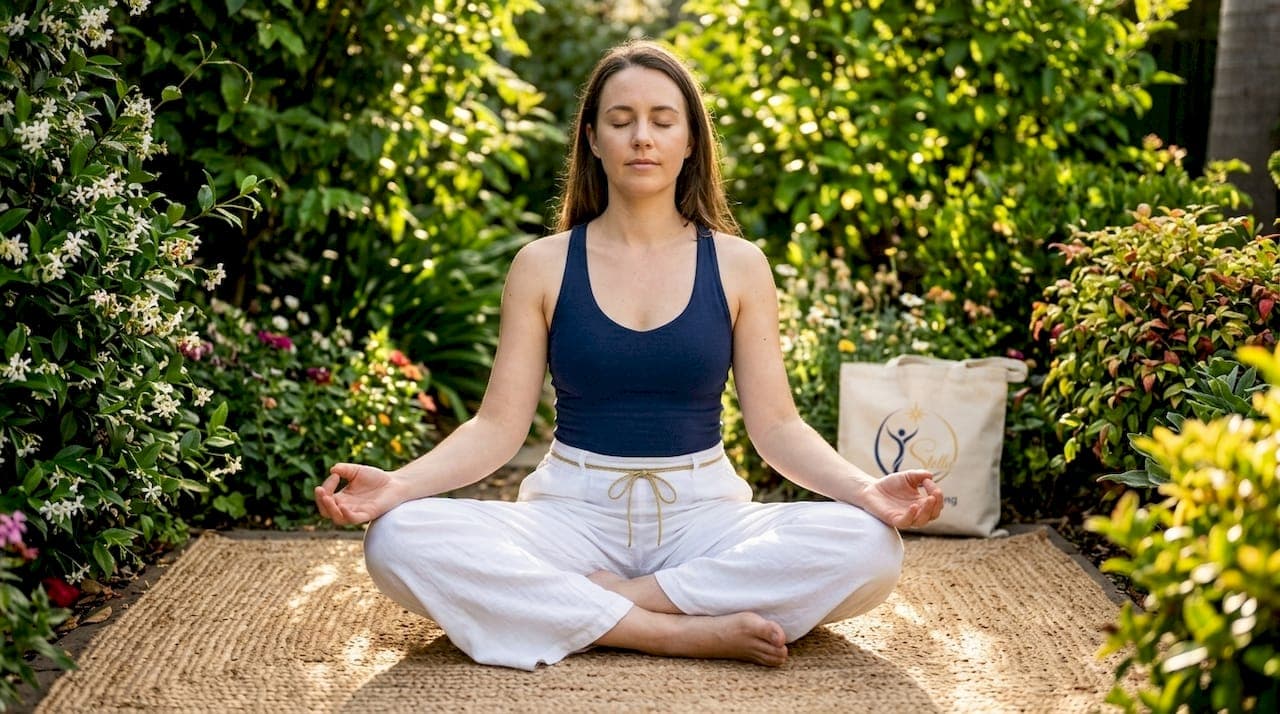
Mind-body practice is defined as any technique that intentionally combines mental focus, breath control, and body awareness to improve health and emotional regulation. Recognized methods include mindfulness meditation, body scan, tai chi, and gentle yoga. Scientific consensus confirms these practices reduce stress, lower anxiety, and support overall wellness. The good news for beginners is that you do not need hours of free time or any special equipment. Learning how to start a mind body practice is simpler than most people expect, and the results build quickly when you stay consistent.
What are the simplest effective ways to start a mind body practice?
The most reliable starting point is a 5-minute daily mindfulness session for your first two weeks. That totals just 70 minutes of practice over 14 days. A small commitment like this removes the pressure that causes most beginners to quit before they see results.
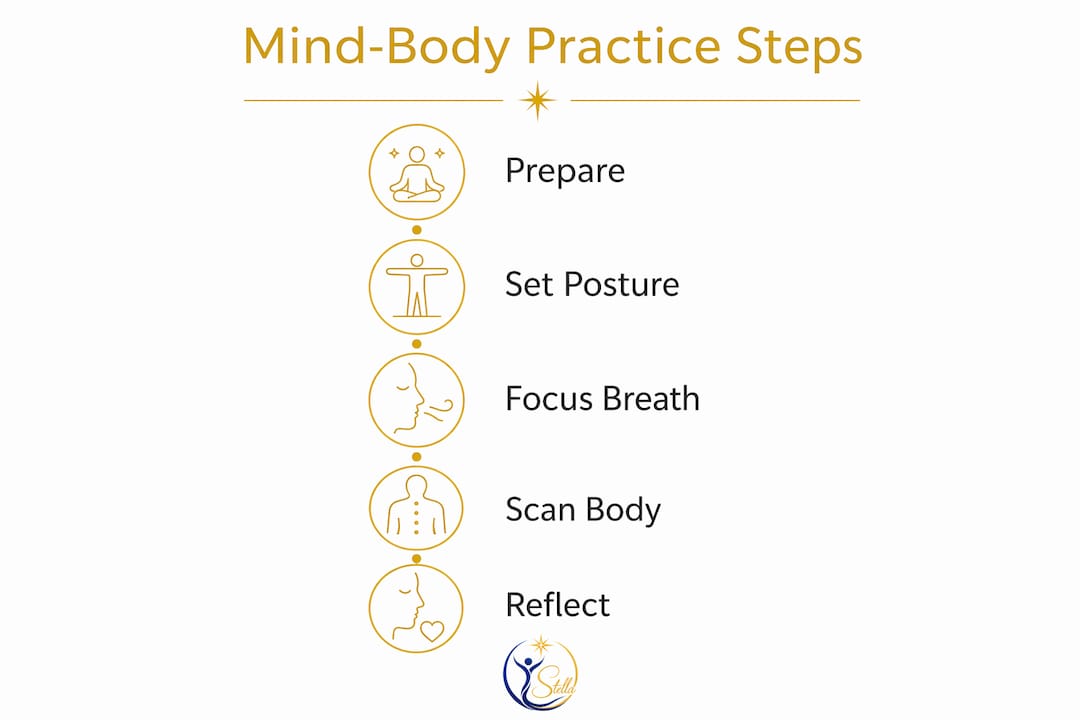
Here is a practical sequence to begin mind body practices from day one:
- Sit comfortably and close your eyes. Set a timer for 5 minutes. Bring your attention to the natural rhythm of your breath. Notice the rise and fall of your chest or belly without trying to change anything.
- Add a body scan three times per week. Body scan sessions of 10–15 minutes, practiced three times weekly, build interoceptive awareness, which is your ability to sense what is happening inside your body. This awareness directly supports stress management and emotional regulation.
- Layer in gentle movement. After the first week, add 5–10 minutes of slow yoga stretches or basic tai chi movements. These gentle forms of movement connect breath to body in a way that seated meditation alone cannot replicate.
- Use breath awareness as your anchor. Breath awareness activates the parasympathetic nervous system, shifting your body from a stress state to a calm one. Even three slow, deliberate breaths before a stressful meeting counts as practice.
- Track your sessions simply. A checkmark on a paper calendar works better than a complicated app for most beginners. Seeing a streak of consistent days builds motivation naturally.
Pro Tip: Pair your practice with an existing habit, such as right after brushing your teeth in the morning. Pairing practice with daily routines is one of the most effective ways to make it stick without relying on willpower alone.
Consistency matters far more than session length at this stage. Ten minutes practiced daily produces more lasting change than an hour practiced once a week.

How does body scan practice support emotional regulation?
Body scan meditation is a systematic practice where you move your attention slowly through each part of your body, noticing sensations without judging them. You might notice warmth in your hands, tension in your shoulders, or a dull ache in your lower back. The goal is not to fix these sensations but simply to observe them.
This practice builds what researchers call interoception, your brain's ability to read internal body signals accurately. When interoception improves, you recognize stress earlier and respond to it more calmly. Regular body scan practice builds the capacity for non-judgmental awareness that is central to emotional regulation.
Key benefits you can expect from consistent body scan sessions:
- Reduced physical tension. Systematically scanning the body often releases tightness you did not realize you were holding.
- Improved sleep quality. A body scan before bed calms the nervous system and quiets mental chatter.
- Greater emotional resilience. Observing tension without reacting to it builds what psychologists call "decentering," the ability to watch a feeling without being consumed by it.
- Stronger mind-body connection. Over time, you develop a finer sensitivity to how emotions show up physically, which gives you more control over your responses.
Pro Tip: If you feel drowsy during a body scan, try practicing with your eyes slightly open or sitting upright in a chair instead of lying down. A slightly cooler room also helps maintain alertness without disrupting the calm you are cultivating.
Sessions of 10–15 minutes, three times per week, are the recommended starting frequency. You can extend sessions gradually as your attention span and comfort grow.
What misconceptions do beginners face and how do you overcome them?
The single most common misconception is that a wandering mind means you are failing at meditation. This belief causes more people to quit than any other factor. Noticing when your mind wanders and gently returning your focus is the actual practice skill, not a sign that something has gone wrong.
Think of it this way: every time you catch a distracted thought and redirect your attention, you are doing a mental repetition, the equivalent of a bicep curl for your brain. The more repetitions you complete, the stronger your focus becomes.
Other common challenges and how to address them:
- "I don't have time." A structured plan of short sessions totaling 70 minutes over two weeks proves that time is rarely the real barrier. Five minutes is genuinely enough to begin.
- "I can't sit still." Gentle movement practices like tai chi or walking meditation are fully valid mind-body integration techniques. You do not have to sit cross-legged on a cushion to practice mindfully.
- "I'm not doing it right." There is no perfect form for a beginner. Curiosity and a willingness to return to the practice each day matter more than technique at the start.
- "It's not working fast enough." Expect at least 14 days before a habit feels natural. Progress in mind-body practice is subtle and cumulative, not dramatic and immediate.
Informal mindfulness woven into daily life also counts as practice. Washing dishes with full attention, eating one meal without your phone, or pausing to notice three physical sensations during a walk all reinforce the same neural pathways as formal meditation. You can read more about mind-body medicine at home to see how these informal moments add up.
How can you integrate mind-body practices into daily life for lasting wellness?
Lasting wellness comes from weaving practice into the fabric of your existing day, not from carving out separate blocks of time you will eventually resent. Integrating mindfulness into daily habits anchors the practice in real life and supports deeper mind-body connection over time.
A practical progression for the first month looks like this:
- Weeks 1 and 2. Five minutes of breath-focused mindfulness each morning, immediately after an existing habit. Keep it non-negotiable and brief.
- Week 3. Add a 10-minute body scan on three non-consecutive days. Use a guided audio recording if silence feels uncomfortable.
- Week 4. Introduce 10 minutes of gentle movement, such as Five Animal Qigong, slow yoga, or basic tai chi. These forms combine breath, attention, and movement in a single session, making them highly efficient for mind-body integration.
- Ongoing. Sprinkle informal practices throughout your day. Mindful eating means chewing slowly and noticing flavor and texture. Mindful hand washing means feeling the temperature of the water and the sensation of soap. These micro-practices reinforce your formal sessions.
- Monthly check-in. Assess how you feel physically and emotionally compared to when you started. Adjust session length or frequency based on what you notice, not based on what you think you should be doing.
Progressive muscle relaxation, deep breathing, and guided imagery are additional techniques endorsed by clinical psychologists for building emotional resilience. These methods work well as afternoon or evening practices to complement your morning routine.
One safety note: if you have a chronic health condition, a history of trauma, or significant anxiety, consult your healthcare provider before beginning any new wellness practice. Most mind-body techniques are gentle and safe, but a brief conversation with your doctor protects your progress and your health.
For a structured plan to build on these foundations, Qigongstar's beginner wellness starter guide offers a clear, step-by-step framework tailored to adults new to these practices.
Key Takeaways
Starting a mind-body practice requires only 5 minutes daily, a willingness to return your wandering attention, and the patience to let consistency do the work over at least 14 days.
| Point | Details |
|---|---|
| Start with 5 minutes daily | Two weeks of 5-minute sessions totals 70 minutes and builds a sustainable habit without overwhelm. |
| Body scan three times weekly | Sessions of 10–15 minutes develop interoceptive awareness and support emotional regulation. |
| Mind wandering is the practice | Gently redirecting attention each time it wanders is the core skill, not a sign of failure. |
| Pair practice with existing habits | Attaching sessions to daily routines like brushing teeth dramatically improves consistency. |
| Layer in gentle movement | Adding tai chi, Qigong, or yoga in week three deepens the mind-body connection beyond seated meditation. |
What I've learned from watching beginners find their footing
Most people come to mind-body practice carrying a quiet fear that they will be bad at it. I understand that feeling completely. When I first started, I spent the first week convinced I was meditating wrong because my thoughts never stopped. What I eventually realized is that the thoughts were never supposed to stop. The practice was always about noticing them and choosing where to place my attention next.
The beginners I have seen thrive are not the ones who practice perfectly. They are the ones who show up on the days they least feel like it, take three slow breaths, and call it enough. Small, consistent steps accumulate into something genuinely life-changing, even when each individual session feels unremarkable.
Self-compassion is not a soft add-on to mind-body practice. It is the foundation. Without it, you will judge your wandering mind, skip sessions out of guilt, and eventually stop altogether. With it, every session becomes a success simply because you showed up.
The evidence for these practices is real and growing. But the most convincing proof I have found is personal: a calmer response to stress, a body I listen to rather than push through, and a daily anchor that keeps me grounded when everything else feels uncertain. That is what this practice can give you, one quiet morning at a time.
— Stella
Qigongstar's online classes for beginners
If you are ready to move beyond solo practice and learn from a certified instructor, Qigongstar offers beginner-friendly online Qigong classes designed specifically for stress relief and digestive wellness.
Stella's Five Animal Qigong course is a gentle, structured program rooted in Chinese Medicine that guides you through breath, movement, and energy awareness at a pace that suits complete beginners. For those ready to explore a broader range of techniques, the online Qigong classes cover everything from stress reduction to gut health, all accessible on demand from home. Each course is taught by a White Tiger Qigong School and Yoga Alliance certified instructor, so you practice with confidence from day one.
FAQ
How long does it take to feel benefits from mind-body practice?
Most beginners notice subtle shifts in stress and calm within the first two weeks of consistent daily practice. Deeper benefits, such as improved emotional regulation and sleep, typically emerge after four to six weeks of regular sessions.
Do I need any equipment to begin mind body practices?
Body scan meditation and breath-focused mindfulness require no equipment at all. A quiet space and a comfortable place to sit or lie down are all you need to start.
What if my mind keeps wandering during meditation?
A wandering mind is normal and expected. Noticing mind wandering and gently returning your focus is the actual skill you are building, so each distraction is an opportunity to practice, not a failure.
Can I practice mind-body techniques if I have a health condition?
Most mind-body integration techniques are gentle and safe for adults with common health conditions. Consult your healthcare provider before starting if you have a chronic illness, a trauma history, or significant anxiety.
How is Qigong different from standard mindfulness meditation?
Qigong combines breath regulation, gentle movement, and mental focus in a single practice, while standard mindfulness meditation is typically seated and still. Both are recognized mind-body techniques, but Qigong adds a physical dimension that many beginners find easier to sustain.