
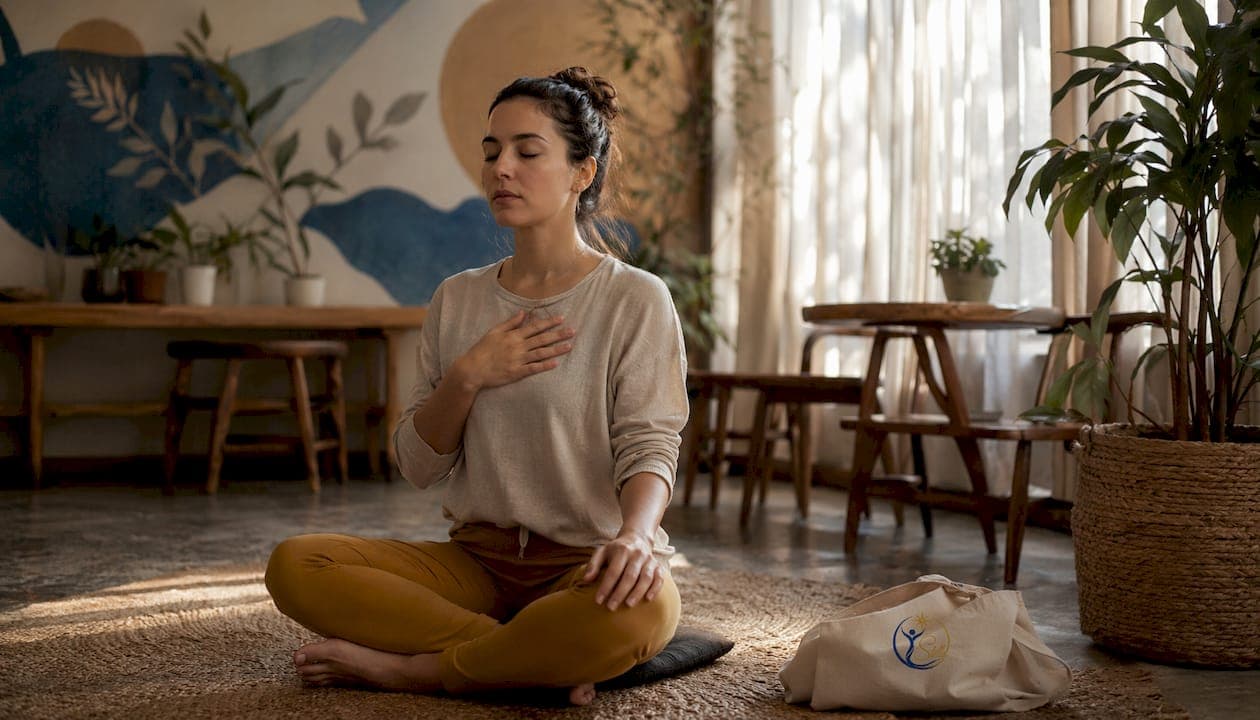
Rhythm is defined as a structured, repeating pattern of sound or movement that activates the parasympathetic nervous system and neuroimmune pathways to reduce anxiety, lower cortisol, and support emotional regulation. The role of rhythm in stress relief goes far deeper than simply "relaxing music." Clinical research shows that music interventions raise HRV, increase immunoglobulin A (IgA), and reduce cortisol simultaneously. These are measurable, physiological changes. Understanding how rhythm works gives you real tools to calm your nervous system, not just a pleasant distraction.
How does rhythm influence the autonomic nervous system to relieve stress?
Rhythm relieves stress by shifting the body from sympathetic ("fight or flight") dominance to parasympathetic ("rest and digest") control. The autonomic nervous system governs heart rate, breathing, digestion, and immune function. When stress activates the sympathetic branch, cortisol rises and the body stays on high alert. Rhythmic stimuli interrupt that cycle at the neurological level.
Heart rate variability (HRV) is the key biomarker here. HRV measures the variation in time between heartbeats. Higher HRV signals stronger parasympathetic tone and better stress resilience. Music therapy raises RMSSD and HF power, two standard HRV metrics, while simultaneously raising IgA and lowering cortisol. That combination shows rhythm works on the endocrine, immune, and nervous systems at once.
The mechanism involves auditory brainstem projections that connect the ear directly to the limbic system. Rhythm perception couples sensory prediction with motor systems and dopaminergic anticipation, influencing mood and motivation within milliseconds. Your brain does not passively receive rhythm. It predicts it, moves with it, and regulates itself through it.
Here is what this looks like in practice:
- Slow, steady rhythms activate vagal tone, the main driver of parasympathetic dominance.
- Rhythmic breathing synchronizes with heart rate to amplify HRV gains.
- Consistent beat patterns reduce cognitive load, freeing mental resources from worry.
- Limbic activation through rhythm releases dopamine, which counters stress-related mood suppression.
Pro Tip: Try placing one hand on your chest and breathing in for four counts, out for six counts. That simple ratio shifts your autonomic balance toward calm within two to three minutes.
| Rhythm Effect | Physiological Response |
|---|---|
| Slow tempo (60–80 BPM) | Lowers heart rate, raises HRV |
| Rhythmic breathing | Increases vagal tone |
| Consistent beat pattern | Reduces cortisol and cognitive load |
| Limbic activation | Raises dopamine, lowers anxiety |
What is the importance of rhythm tempo and session duration?
Tempo is not a preference. It is a physiological signal. Slow-tempo music at 60–80 BPM activates the parasympathetic nervous system and lowers heart rate. Music above 100–120 BPM triggers sympathetic activation, raising alertness and tension. Choosing the wrong tempo for stress relief can make anxiety worse, not better.
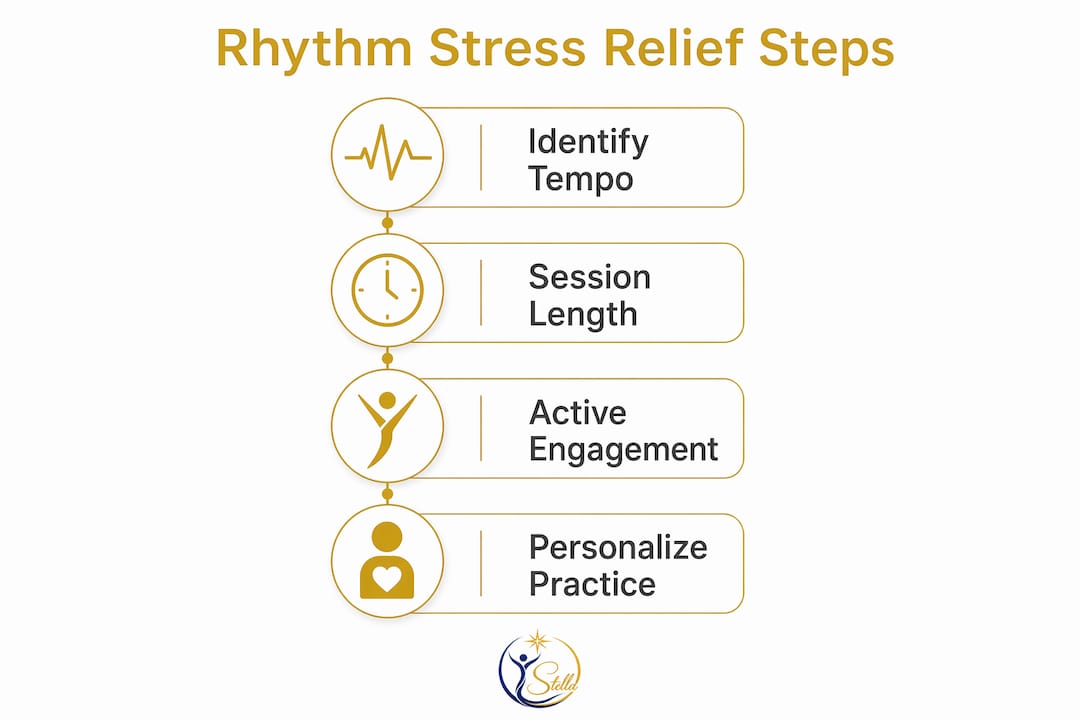
Session length matters just as much as tempo. A 24-minute session with auditory beat stimulation (ABS) provides the best balance between effectiveness and convenience for reducing both cognitive and physical anxiety. Sessions of 12 minutes show weaker effects. Sessions of 36 minutes offer diminishing returns. Twenty-four minutes is the practical sweet spot supported by randomized clinical trial data.
The Iso-Principle: matching rhythm to your state
The Iso-Principle is a clinical technique where music tempo starts at your current elevated heart rate, then gradually slows to guide your nervous system toward calm. ABS-based music begins at stress-associated heart rates and then decelerates to induce relaxed frequency entrainment. This is why simply playing slow music when you are acutely stressed sometimes feels jarring. Your nervous system needs to be met where it is first, then gently guided down.
Session frequency also shapes outcomes. High-frequency music therapy over one week produces significantly greater reductions in stress scores than low-frequency sessions, with a measured difference of 0.54 points on the DASS-21 stress scale. That gap is clinically meaningful. Consistency compounds the benefit.
Key tempo and duration principles to apply:
- Start at or near your current heart rate tempo when acutely stressed.
- Gradually slow the rhythm over 5–8 minutes to guide entrainment.
- Aim for 24-minute sessions for measurable anxiety reduction.
- Practice daily or near-daily for cumulative nervous system benefits.
- Use 60–80 BPM music for rest, recovery, and sleep preparation.
How do rhythmic activities beyond passive listening reduce stress?
Passive listening is a starting point, not the full picture. Active rhythmic engagement, through movement, drumming, and breath-based practices, produces deeper and more lasting stress relief. Rhythmic movement and breathing exercises help release accumulated tension, synchronize autonomic responses, and improve interpersonal connectivity. The body stores stress physically. Rhythm gives it a structured way out.
Drumming is one of the most studied active rhythmic practices. It combines repetitive motor movement with auditory feedback, creating a dual-channel entrainment effect. The physical act of striking a drum releases muscular tension. The rhythmic sound simultaneously regulates the autonomic nervous system. Together, these effects produce a calming that passive listening alone rarely matches.
Here are four rhythmic activities that go beyond the playlist:
- Rhythmic breathing (4-7-8 or box breathing): Structured breath cycles directly regulate vagal tone and lower cortisol within minutes. This is the most accessible entry point for anyone new to rhythm-based stress relief.
- Qigong movement sequences: Gentle, repetitive movements coordinated with breath create full-body entrainment. Qigongstar's Five Animal Qigong uses animal-inspired movement patterns that synchronize breath, body, and awareness to soothe the nervous system.
- Drumming circles or solo percussion: Sustained rhythmic drumming lowers cortisol and promotes social bonding through shared entrainment, making it effective in both individual and group settings.
- Walking with rhythmic intention: Matching your footfall to a slow, steady internal count or external beat activates the same parasympathetic pathways as music listening, with the added benefit of physical movement.
Pro Tip: When you feel tension building during the day, try a two-minute rhythmic walking break. Count your steps in groups of four, breathe in for two steps, out for two steps. This micro-practice resets your autonomic state without requiring any equipment.
You can explore more somatic stress release methods that combine movement and rhythm for practical daily use.
What should you know before using rhythm and music for stress relief?
Personalization is the most overlooked factor in rhythmic stress relief. Clinical experts emphasize tailoring tempo and session structure to individual physiological states for maximal entrainment. A tempo that calms one person may agitate another. Your starting heart rate, stress history, and even musical preferences all shape how your nervous system responds.
Patient-selected playlists consistently outperform fixed music programs in clinical settings. When you choose music that feels right to you, your brain engages more fully, and entrainment happens faster. Generic "relaxation playlists" are a reasonable starting point, but they are not optimized for your nervous system.
Digital sound therapies like binaural beats carry real promise but require careful use. Binaural beats show effect sizes of 0.34–0.59 for anxiety and sleep improvements in young adults. Those are moderate, not dramatic, effects. Not all digital sound therapies reliably generate EEG cortical entrainment. Structured, resonant rhythms in classical or traditional musical forms often produce stronger autonomic regulation than purely synthetic tones.
Practical guidelines for getting the most from rhythmic stress relief:
- Match tempo to your current state first. Do not force slow music when you are acutely activated.
- Build a personal playlist of 20–30 minutes of music that genuinely moves you emotionally.
- Combine active and passive rhythm. Pair listening with breath, movement, or gentle tapping.
- Monitor your response. Notice how your body feels before and after each session. Adjust tempo and duration based on what you observe.
- Seek guidance for clinical anxiety. Rhythm-based tools support but do not replace professional care for diagnosed anxiety disorders.
For a broader view of daily stress reduction practices that incorporate rhythm and movement, Qigongstar's resource library offers practical, beginner-friendly guidance.
Key Takeaways
Rhythm relieves stress by activating the parasympathetic nervous system through tempo, entrainment, and active engagement, with 24-minute sessions at 60–80 BPM producing the strongest measurable results.
| Point | Details |
|---|---|
| Optimal tempo for calm | Slow-tempo music at 60–80 BPM lowers heart rate and raises HRV. |
| Best session length | 24-minute rhythmic sessions reduce cognitive and physical anxiety most effectively. |
| Active beats passive | Movement, drumming, and breathing produce deeper relief than passive listening alone. |
| Personalize your rhythm | Match tempo to your current state first, then gradually slow to guide entrainment. |
| Frequency compounds benefits | Daily or near-daily practice produces significantly greater stress score reductions over time. |
Why I think passive listening is only half the answer
Most people treat rhythm-based stress relief as background noise. They queue up a playlist, half-listen while scrolling, and wonder why they still feel tense. The research is clear: entrainment requires attention. Your nervous system needs to actually synchronize with the rhythm, and that does not happen when your mind is elsewhere.
What I have found, both personally and through working with students at Qigongstar, is that the moment you add a physical anchor, a breath count, a gentle sway, a slow walk, the effect deepens noticeably. The body becomes the instrument. Rhythm stops being something you hear and starts being something you inhabit.
I also want to push back on the idea that you need elaborate tools or perfectly curated playlists to start. A simple four-count breath, repeated for five minutes, is a rhythmic intervention. It is free, always available, and grounded in the same autonomic science as a full music therapy session. Start there. Build from that foundation.
The Iso-Principle is the insight I return to most often. Meet yourself where you are. If you are anxious, do not force slow, sleepy music on a racing mind. Start at your pace, then gently guide yourself down. That respect for your current state is what makes rhythm a genuinely kind tool for stress relief, not just a wellness trend.
— Stella
Rhythm, movement, and Qigongstar's approach to stress relief
Rhythm and movement are at the heart of what Qigongstar teaches. The Five Animal Qigong course weaves breath regulation, gentle repetitive movement, and rhythmic awareness into a practice that directly supports parasympathetic activation and emotional calm.
These courses are designed for beginners and experienced practitioners alike, with on-demand access so you can practice at your own pace. Each sequence coordinates breath and body rhythm in a way that mirrors the entrainment principles the research supports. If you want to move beyond passive listening and experience rhythm as a full mind-body practice, Qigongstar's online qigong classes offer a structured, nurturing place to begin.
FAQ
What is the role of rhythm in stress relief?
Rhythm activates the parasympathetic nervous system by entraining heart rate, breathing, and brainwave activity to slow, steady patterns. This lowers cortisol, raises HRV, and reduces both physical and cognitive anxiety symptoms.
What tempo of music is best for reducing anxiety?
Music at 60–80 BPM is most effective for stress relief, as it activates parasympathetic dominance and lowers heart rate. Tempos above 100–120 BPM trigger sympathetic activation and can increase tension.
How long should a rhythmic stress-relief session last?
A 24-minute session with auditory beat stimulation provides the best balance of effectiveness and convenience for reducing anxiety, based on randomized clinical trial findings.
Does drumming actually reduce stress?
Yes. Rhythmic drumming combines repetitive motor movement with auditory feedback, releasing muscular tension and regulating the autonomic nervous system simultaneously, with documented effects on cortisol reduction and social bonding.
Are binaural beats effective for stress relief?
Binaural beats show moderate benefits, with effect sizes of 0.34–0.59 for anxiety and sleep in young adults. They work best as a complement to other rhythmic practices rather than a standalone solution.