

Practical examples of TCM digestive healing you can use today
Traditional Chinese Medicine offers a genuinely different way to think about your gut. Rather than treating symptoms in isolation, it looks for the root pattern causing them, whether that's a weakened Spleen Qi, stagnant Liver Qi, or a cold, sluggish digestive fire. Over 70 million Americans live with some form of digestive disorder, and many are turning to TCM not as a last resort, but as a first-choice approach to lasting relief.
Here are the most practical starting points:
- Bai Zhu (Atractylodes): Warms and tonifies Spleen Qi; best used in formula for chronic loose stools or fatigue after eating
- Huang Qi (Astragalus): Supports gut lining integrity and immune function; often combined with Bai Zhu for Spleen Qi deficiency
- Chen Pi (Aged Tangerine Peel): Moves Qi, reduces bloating, and dries dampness; a gentle daily digestive herb
- Mu Xiang (Costus Root): Relieves cramping and stagnation; used when pain accompanies digestive sluggishness
- ST36 (Zusanli): The most widely used acupuncture point for digestion; located four finger-widths below the kneecap
- LI4 (Hegu): Relieves abdominal pain and regulates bowel function; found in the webbing between thumb and index finger
- SJ6 (Zhigou): Moves Qi through the Triple Burner channel; particularly useful for constipation
- Warm, cooked foods: Congee, soups, and lightly steamed vegetables nourish Spleen Yang and ease bloating
- Avoid cold and raw foods: Ice water, raw salads, and chilled smoothies can suppress digestive fire in TCM
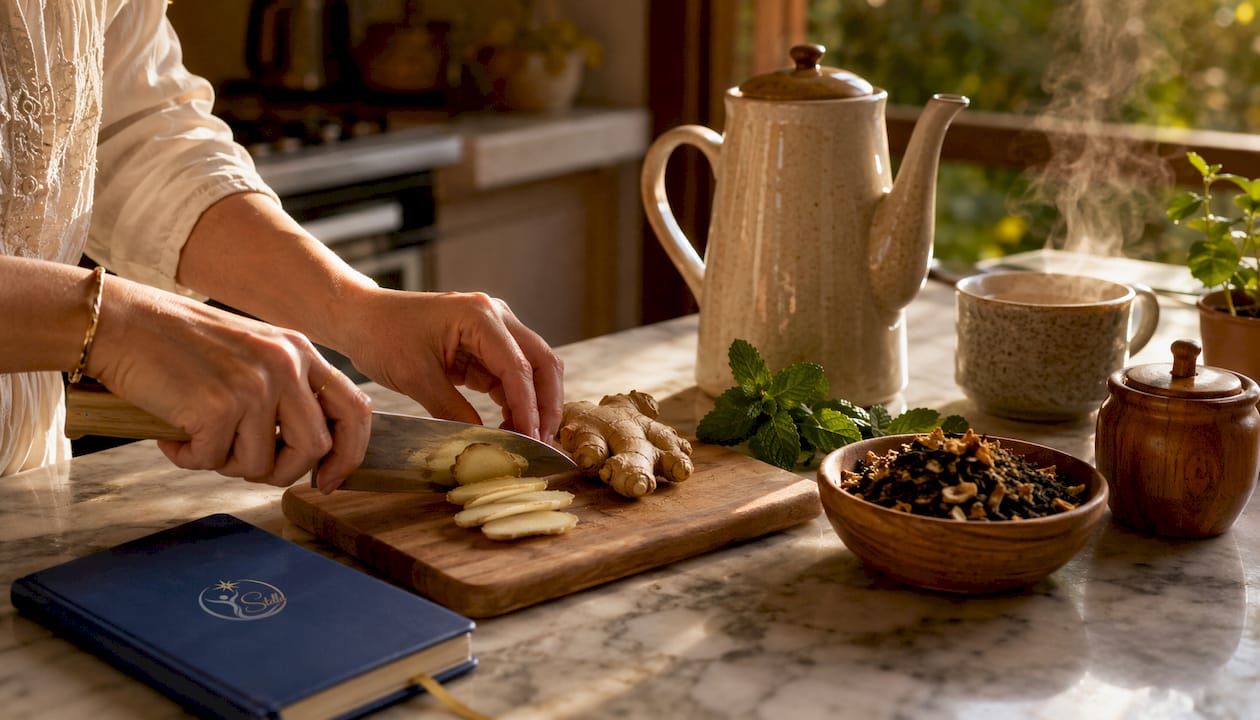
Pro Tip: Pair Chen Pi with warm ginger tea after meals to gently move stagnant Qi and reduce post-meal bloating. This simple combination works synergistically because Chen Pi dries dampness while ginger warms the Stomach.
How TCM understands your digestive system
TCM views digestion as a transformation process, not just a mechanical one. The Spleen and Stomach sit at the center of this model, working together as the body's "middle burner." According to UCLA Health, the Spleen (a Yin organ) and Stomach (a Yang organ) transform food and drink into Qi and Blood, which then nourish every other organ system. When this pairing functions well, digestion feels effortless. When it falters, you feel bloated, fatigued, and foggy.
Spleen Qi deficiency is one of the most common TCM digestive patterns seen in modern Western patients. Symptoms include loose stools, poor appetite, fatigue after eating, and a pale or swollen tongue with teeth marks along the edges. This pattern often develops from overwork, irregular eating, and excessive worry.
Two other patterns show up frequently in people with chronic gut issues. Liver Qi stagnation occurs when emotional stress causes the Liver's energy to press against the Stomach and Spleen, producing bloating, alternating constipation and diarrhea, and a tight, wiry pulse. Dampness accumulation develops when the Spleen loses its ability to transform fluids, leaving a heavy, foggy feeling in the body along with loose stools and a thick, greasy tongue coating.
The gut-brain connection in TCM predates modern neuroscience by centuries. Worry and overthinking are specifically said to "knot" Spleen Qi, while anger and frustration stagnate Liver Qi. This is why a stressful week at work can trigger an IBS flare just as reliably as a bad meal.
Emotions play a direct role in digestive health within this framework. UCLA Health notes that stress and emotions like worry affect both Spleen Qi and Liver Qi flow, which is why TCM practitioners rarely treat the gut without also addressing the emotional and mental state. A TCM diagnosis goes deeper than symptoms. Pulse and tongue examination reveal systemic imbalances that guide precise herb and treatment choices, often catching patterns that standard lab work misses entirely.
TCM's five-element framework maps each organ to a season, emotion, taste, and color. The Spleen corresponds to late summer, the emotion of worry, and the sweet taste. This is why craving sweets often signals a Spleen imbalance, and why bitter, warming foods like ginger and cardamom are used to counterbalance it.
The NCI defines TCM as a system that aims to restore balance between the natural opposing forces of Yin and Yang, which when blocked, cause disease. For digestion, this means restoring the warm, active Yang quality of the Stomach and Spleen so they can properly receive, transform, and distribute nutrients. Cold, damp, and stagnant conditions are the enemy of good digestion in this model, which explains why so many TCM dietary and herbal recommendations center on warmth and movement.
Key TCM herbs and foods for digestive health: what works and why
The core herbs
TCM herbs are prescribed as synergistic formulas, not single agents. A trained practitioner combines herbs to address your specific pattern while balancing each ingredient's properties. That said, understanding individual herbs helps you recognize what you're taking and why.
Bai Zhu (Atractylodes macrocephala) is the cornerstone herb for Spleen Qi deficiency. It warms the Spleen, dries dampness, and firms loose stools. A clinical trial found that Bai Zhu demonstrated significant improvement in chronic diarrhea compared to placebo, making it one of the better-studied herbs in this category.
Huang Qi (Astragalus membranaceus) works differently. Rather than directly warming digestion, it builds the protective Wei Qi and supports the gut lining. Research shows Huang Qi increases mucin production, which is critical for maintaining the integrity of the gut lining. Think of it as the herb that repairs the walls while Bai Zhu keeps the furnace burning.
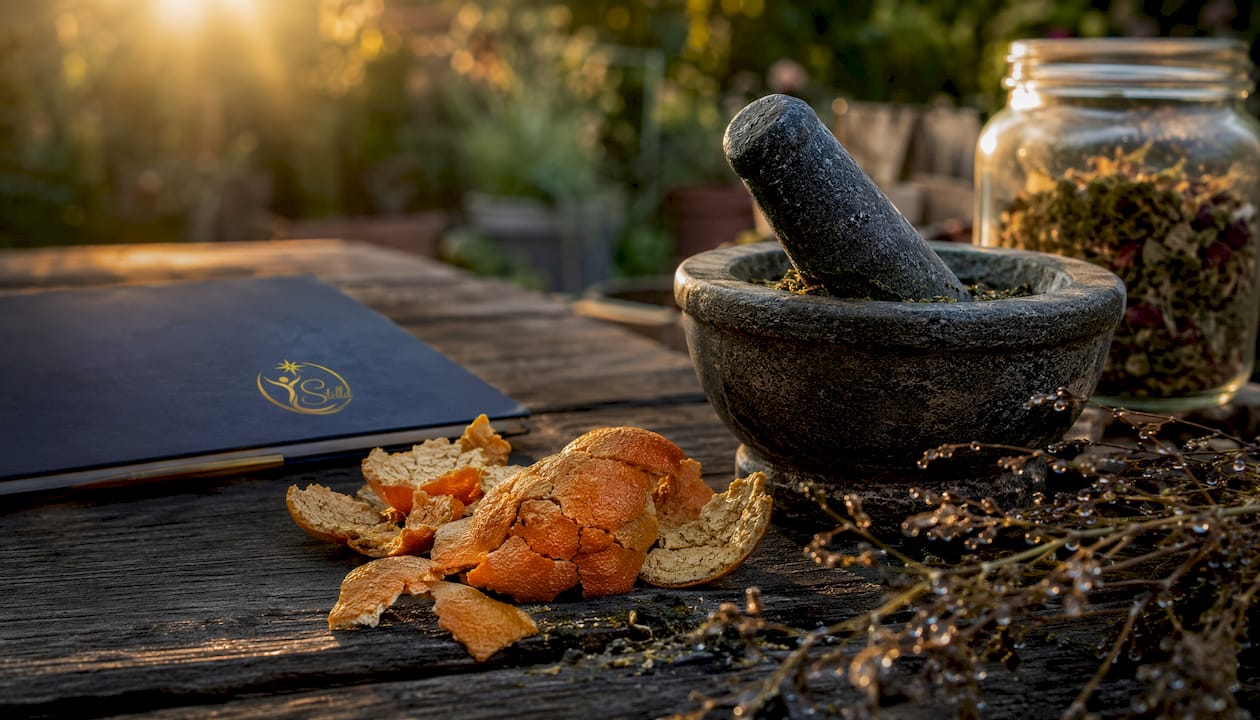
Chen Pi (Pericarpium Citri Reticulatae) is aged tangerine peel, and it's one of the most practical herbs for everyday digestive support. It moves Qi, reduces bloating, and dries excess dampness in the middle burner. Unlike stronger herbs, Chen Pi is gentle enough to use regularly and pairs well with almost any digestive formula.
Mu Xiang (Radix Aucklandiae) addresses pain and stagnation directly. When cramping, gas, or a feeling of fullness accompanies digestive sluggishness, Mu Xiang moves the Qi that has become stuck. It's often included in formulas for IBS with pain or functional dyspepsia.
What to eat and what to avoid
| Herb / Food | TCM Action | Primary Benefit | Research Support |
|---|---|---|---|
| Bai Zhu (Atractylodes) | Tonifies Spleen Qi, dries dampness | Reduces chronic diarrhea | Clinical trial vs. placebo |
| Huang Qi (Astragalus) | Builds Wei Qi, supports gut lining | Increases mucin production | Rat studies |
| Chen Pi (Aged Tangerine Peel) | Moves Qi, dries dampness | Reduces bloating | Traditional use, formula data |
| Mu Xiang (Costus Root) | Moves Qi, relieves stagnation | Eases cramping and pain | Traditional use |
| Ginger (Sheng Jiang) | Warms Stomach, stops nausea | Improves digestive fire | Widely studied |
| Congee (rice porridge) | Nourishes Spleen, easy to digest | Reduces bloating, fatigue | Dietary tradition |
| Cold/raw foods | Suppresses Spleen Yang | Worsens bloating, loose stools | TCM dietary theory |
Warm, cooked foods are the foundation of TCM dietary therapy for digestion. Congee, bone broth, steamed vegetables, and lightly spiced soups all support Spleen Yang and reduce the energetic burden of digestion. Cold and raw foods, by contrast, force the body to use extra Qi just to warm the food before it can be processed.
Foods to prioritize for gut health in TCM:
- Warm congee or rice porridge, especially in the morning
- Cooked root vegetables like sweet potato, yam, and carrot
- Ginger, cardamom, and fennel as warming digestive spices
- Lightly cooked leafy greens rather than raw salads
- Small, regular meals eaten without distraction or stress
Foods to minimize or avoid:
- Ice water, cold smoothies, and chilled beverages
- Raw salads and uncooked vegetables in large amounts
- Dairy products, which TCM considers dampness-producing
- Greasy, fried, and heavily processed foods
- Eating while stressed, rushed, or emotionally upset
Pro Tip: Swap your morning cold smoothie for warm congee with a few slices of fresh ginger for two weeks. Many people notice a reduction in bloating and morning fatigue within days, simply from removing the cold burden on the Spleen.
The role of herbal supplements in supporting organ health extends beyond digestion. Liver function, in particular, intersects with TCM digestive health because Liver Qi stagnation is a primary driver of gut dysfunction. Herbs that support the Liver, like Chai Hu (Bupleurum), are often included in digestive formulas for this reason.
Acupuncture points and techniques that support your digestion
Acupuncture works on digestion by regulating the flow of Qi through specific meridians that connect to the digestive organs. The NCCIH confirms that acupuncture stimulates the release of the body's natural painkillers and affects areas in the brain involved in processing pain, which partly explains its effectiveness for gut-related discomfort.
The four key acupuncture points for digestion
ST36 (Zusanli) is the most important point for digestive health in TCM. Located four finger-widths below the kneecap on the outer edge of the shinbone, it tonifies Spleen and Stomach Qi, improves energy, and reduces bloating. Practitioners use it for nearly every digestive complaint, from chronic fatigue after eating to nausea and loose stools. ST36, SP6, and LI4 are considered the foundational trio for tonifying digestion and restoring balance.
SP6 (Sanyinjiao) sits three finger-widths above the inner ankle bone. It's the meeting point of the Spleen, Liver, and Kidney meridians, which makes it uniquely powerful for addressing the emotional and hormonal dimensions of digestive dysfunction. When stress-driven IBS or bloating related to the menstrual cycle is the concern, SP6 is almost always included in the treatment.
LI4 (Hegu) is found in the webbing between the thumb and index finger. It regulates bowel function and relieves abdominal pain, making it particularly useful for constipation and cramping. Because LI4 is a strong Qi-moving point, it's contraindicated during pregnancy.
SJ6 (Zhigou) lies on the outer forearm, three finger-widths above the wrist crease. It moves Qi through the Triple Burner channel, which governs the transformation and transportation of fluids throughout the body. SJ6 is the go-to point for constipation caused by Qi stagnation rather than dryness.
Moxibustion and adjunct methods
Moxibustion involves burning dried mugwort (moxa) near or on acupuncture points to add warmth and tonify Yang. For Spleen Qi deficiency and cold-type digestive patterns, moxibustion at ST36 and SP6 can be more effective than needling alone. Many practitioners combine both in a single session.
Benefits of acupuncture and moxibustion for digestion:
- Reduces bloating and abdominal distension
- Regulates bowel movements in both constipation and diarrhea
- Calms the nervous system to reduce stress-driven gut symptoms
- Supports the gut-brain axis by modulating the vagus nerve
- Addresses the emotional patterns (worry, anxiety) that disrupt Spleen Qi
Precautions to keep in mind:
- LI4 and SP6 are contraindicated during pregnancy
- Always seek a licensed acupuncturist, not self-needling
- Inform your practitioner of all medications and supplements
- Moxibustion is not appropriate for heat-type patterns or inflammation
Pro Tip: Between acupuncture sessions, you can apply gentle acupressure at ST36 for 1–2 minutes on each leg after meals. Use your thumb and apply firm, circular pressure. This simple practice can help maintain the tonifying effect of your treatments.
How qigong, breathwork, and mindfulness calm and heal your gut
The mind-body connection in TCM is not metaphorical. It's structural. The Spleen and Stomach are directly affected by the quality of your mental and emotional state, and qigong and breathwork regulate the gut-brain axis, reducing stress-related digestive dysfunction. This is why movement and breath practices are considered as therapeutically important as herbs in a complete TCM approach.
Qigong forms that support digestive health
-
Five Animal Qigong (Wu Qin Xi): Each of the five animal forms corresponds to an organ system. The Bear form specifically targets the Spleen and Stomach, using slow, grounding movements that massage the abdominal organs and build digestive Qi. Practiced for 10–15 minutes daily, it can noticeably reduce bloating and fatigue after meals.
-
Eight Brocades (Ba Duan Jin): The third movement, "Separate Heaven and Earth," stretches the Stomach and Spleen meridians simultaneously. This gentle standing form is one of the most accessible qigong sequences for beginners and has been practiced for centuries specifically to support the middle burner.
-
Abdominal breathing (Dan Tian breathing): Breathing deeply into the lower abdomen activates the parasympathetic nervous system, which shifts the body out of fight-or-flight and into rest-and-digest mode. Practicing 5–10 minutes of slow, belly-focused breathing before meals prepares the digestive system to receive food calmly.
-
Self-massage (Tui Na abdominal massage): Gentle clockwise circles around the navel stimulate peristalsis and move stagnant Qi. This is a practical technique you can do lying down each morning before getting up.
-
Mindful eating as a TCM practice: Eating in silence, chewing thoroughly, and avoiding screens during meals are not just modern wellness tips. They align directly with TCM's principle that the Spleen needs calm, focused attention to transform food efficiently.
The gut-brain axis in TCM practice: When you practice qigong regularly, you are not just exercising. You are training your nervous system to spend more time in the parasympathetic state, where digestion thrives. Practitioners who combine breathwork and fasting with mindful movement often report clearer mental focus alongside improved gut function, reflecting the TCM view that the Spleen governs both digestion and clear thinking.
Qigongstar's online courses, including White Tiger Qigong and Five Animal Qigong, are designed specifically around these principles. The qigong for IBS program guides you through gentle movement sequences and breathwork practices that directly address the stress-driven digestive patterns TCM identifies as most common in modern life.
Stress reduction deserves particular attention here. When the body is under chronic stress, cortisol suppresses digestive enzyme production, slows peristalsis, and disrupts the gut microbiome. TCM recognized this relationship long before modern research confirmed it. Addressing the emotional root, through qigong, breathwork, or mindfulness, is not supplementary to digestive healing. It's central to it.
Specific TCM herbal formulas for different digestive issues
TCM doesn't use a single formula for all gut problems. The formula chosen depends entirely on the pattern diagnosed, which is why two people with IBS might receive completely different prescriptions. Here are the most clinically relevant formulas organized by pattern.
For Spleen Qi deficiency (fatigue, loose stools, poor appetite)
Si Jun Zi Tang (Four Gentlemen Decoction) is the foundational formula for Spleen Qi deficiency. It combines Ren Shen (Ginseng), Bai Zhu, Fu Ling (Poria), and Gan Cao (Licorice Root) to gently tonify Qi without creating heat or stagnation. It's considered a "gentle" formula, appropriate for long-term use under practitioner guidance.
Bu Zhong Yi Qi Tang (Tonify the Middle and Augment the Qi) builds on Si Jun Zi Tang by adding herbs that lift Qi upward, addressing symptoms like prolapse, chronic fatigue, and a heavy, sinking sensation after eating.
For Liver Qi stagnation affecting digestion (bloating, alternating bowels, stress-triggered symptoms)
Xiao Yao San (Free and Easy Wanderer) is one of the most prescribed formulas in modern TCM practice. It harmonizes the Liver and Spleen, moves stagnant Qi, and nourishes Blood simultaneously. People with stress-driven IBS, PMS-related bloating, or emotional eating patterns often respond well to this formula.
Chai Hu Shu Gan San is a stronger Qi-moving variation used when pain and distension are more pronounced. It's typically used for shorter periods because its dispersing action can deplete Qi if used long-term without tonifying herbs.
For IBS with abdominal pain
Shao Yao Gan Cao Tang combines Bai Shao (White Peony Root) and Gan Cao (Licorice Root) to relax smooth muscle spasm and relieve cramping. A clinical trial found this formula reduced abdominal pain in IBS patients by 62% over six weeks compared to placebo. That's a meaningful result for a two-herb formula.
For cold-type digestive patterns (nausea, vomiting, cold limbs, watery stools)
Li Zhong Wan (Regulate the Middle Pill) warms the middle burner with Gan Jiang (Dried Ginger), Ren Shen, Bai Zhu, and Gan Cao. It's the classic formula for cold-type Spleen and Stomach patterns, often used in winter or for people who feel consistently cold and depleted.
For dampness and phlegm accumulation (heaviness, brain fog, thick tongue coating)
Er Chen Tang (Two-Cured Decoction) dries dampness and transforms phlegm in the middle burner. It addresses the heavy, foggy, sluggish feeling that comes with damp accumulation, often combined with other formulas to address the underlying Spleen weakness driving the dampness.
Patients typically see noticeable improvement from TCM digestive therapies within 4–6 weeks, though complex or long-standing patterns may take longer. Consistency matters more than intensity. A formula taken daily for six weeks will outperform an intensive two-week course every time.
One critical safety note: incorrect self-prescription of single herbs without pattern diagnosis can cause harm. Always work with a licensed TCM practitioner who can assess your specific pattern and adjust the formula as you improve. TCM herbal therapies should complement, not replace, conventional medical care, and your primary care provider should know what you're taking.
Key Takeaways
TCM digestive healing works best when herbs, foods, acupuncture, and mind-body practices are combined according to your specific pattern, not applied as generic remedies.
| Point | Details |
|---|---|
| Root-cause focus | TCM identifies patterns like Spleen Qi deficiency and Liver Qi stagnation rather than treating symptoms alone. |
| Core herbs and points | Bai Zhu, Huang Qi, ST36, LI4, and SJ6 are the most clinically supported tools for digestive restoration. |
| Warm foods matter | Cooked, warm foods nourish Spleen Yang; cold and raw foods suppress digestive fire and worsen symptoms. |
| Mind-body integration | Qigong and breathwork regulate the gut-brain axis, addressing the stress-driven root of many digestive disorders. |
| Expect 4–6 weeks | Most people notice meaningful improvement from TCM digestive therapies within 4–6 weeks of consistent practice. |
Why integrating TCM into modern digestive care is worth taking seriously
Most people who come to TCM for digestion have already tried the conventional route. They've had the scopes, the tests, the elimination diets. They've been told everything looks normal while they still feel terrible. TCM offers something genuinely different here, not because it's ancient, but because its diagnostic framework captures patterns that standard medicine doesn't have language for yet.
The concept of Spleen Qi deficiency, for example, maps remarkably well onto what functional medicine now calls "leaky gut" or "intestinal permeability." The TCM observation that worry and overthinking disrupt digestion predates the discovery of the gut-brain axis by two thousand years. These aren't coincidences. They're the result of careful clinical observation over generations.
What I find most valuable about TCM's approach to digestion is its insistence on personalization. Two people with identical IBS diagnoses may have completely opposite TCM patterns, one running hot and stagnant, the other cold and deficient, and treating them with the same formula would help one and harm the other. That level of individualization is rare in any medical system.
The caution I'd offer is this: TCM works best when it's practiced with patience and proper guidance. The five-element framework underlying TCM diagnostics is genuinely complex, and self-prescribing herbs based on a symptom checklist misses the point entirely. Work with a licensed practitioner, be honest with your conventional doctors about what you're taking, and give the process time. The 4–6 week improvement window is real, but only if you're consistent.
Qigongstar's approach to digestive wellness reflects this philosophy. The online qigong classes are designed to complement herbal and acupuncture care, not replace it. Gentle movement, breath regulation, and mindful practice create the internal conditions where healing can actually take root. If you're ready to address your digestion from the inside out, that's exactly where to begin.
Explore Qigongstar's online courses and classes to find a program that supports your digestive health through guided qigong, breathwork, and TCM-aligned movement practices.