
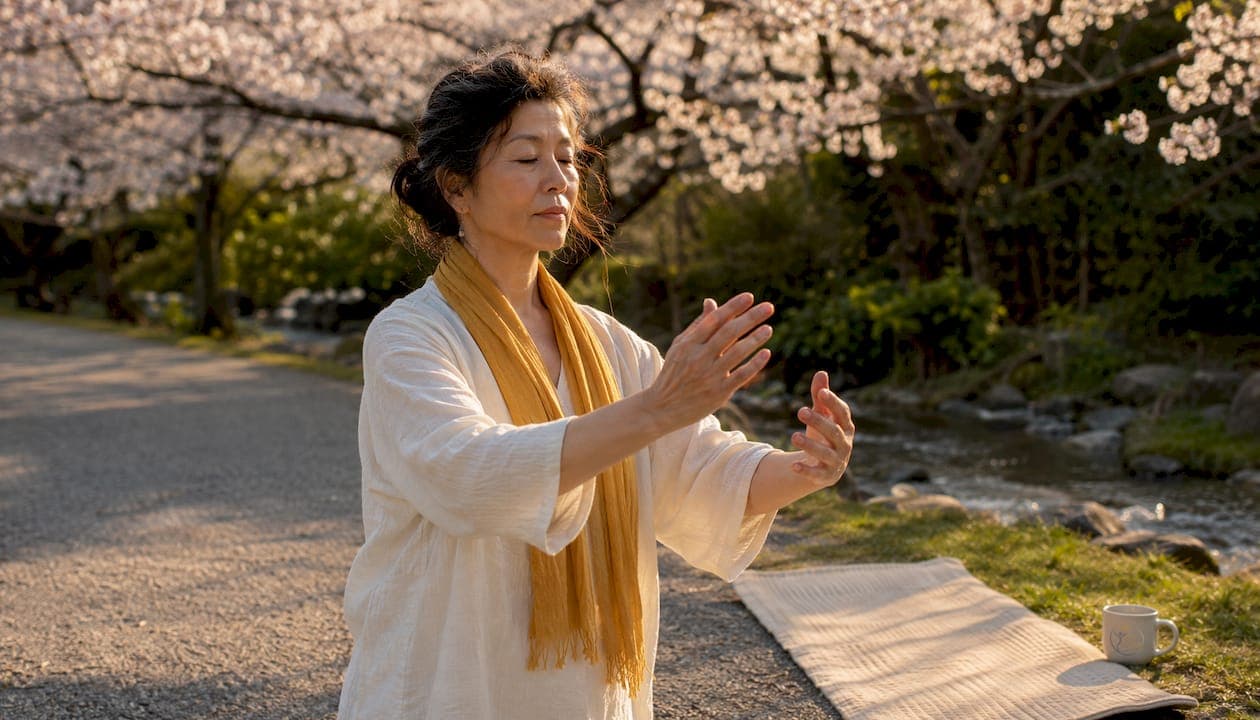
The most effective breathwork styles for health work by regulating your nervous system from the inside out. At the center of integrative practice, two approaches stand out: White Tiger Qigong and Five Animal Qigong, both taught through Qigongstar. These methods use slow, diaphragmatic breathing coordinated with mindful movement to calm stress responses, soothe digestive discomfort, and restore energetic balance.
Key outcomes you can expect from these integrative qigong styles:
- Stress relief through vagal tone enhancement and parasympathetic activation
- Digestive support by modulating the gut-brain connection via slow, rhythmic breath
- Nervous system regulation using phase-locked breath and movement coordination
- Mental clarity from consistent, mindful breath intention over weeks of practice
Table of Contents
- What breathwork actually does for your health
- How White Tiger and Five Animal Qigong regulate breath for wellness
- What the clinical evidence says about breathwork for stress and digestion
- How to practice breathwork safely and build lasting benefits
- Who should approach breathwork with extra care
- Qigongstar brings integrative qigong breathwork to you, wherever you are
- Key Takeaways
What breathwork actually does for your health
Breathwork is the deliberate regulation of your breathing pattern to shift your body's physiological and emotional state. It spans a wide spectrum, from slow, calming diaphragmatic breathing to more intense, cathartic techniques that can induce altered states. Understanding where a technique falls on that spectrum of breathwork matters, because not every style suits every body.
The well-documented benefits of regular breathing practice include:
- Reduced subjective stress, anxiety, and depressive symptoms
- Improved autonomic balance between the sympathetic and parasympathetic branches
- Enhanced digestion through vagal nerve stimulation
- Better sleep quality and emotional resilience
A meta-analysis of 12 randomized controlled trials involving 785 adults found effect sizes of g = -0.35 for stress, -0.32 for anxiety, and -0.40 for depression, all with p-values below 0.001. Those numbers reflect a consistent, meaningful signal across diverse populations.
Other traditions contribute their own approaches. Pranayama, the breath-based limb of yoga, emphasizes controlled inhalation, retention, and exhalation ratios. The Buteyko method focuses on nasal breathing and reduced breathing volume to address hyperventilation patterns. Both have clinical support. Qigong breathwork, however, adds something distinct: the coordination of breath with flowing movement, rooting the practice in Chinese Medicine's understanding of qi, or vital energy, as something you can consciously cultivate and direct.
How White Tiger and Five Animal Qigong regulate breath for wellness
Qigong breath regulation is not simply "breathing slowly." It is a structured, intentional practice where the breath becomes a tool for awakening your body's self-healing capacity.
White Tiger Qigong emphasizes two primary breath patterns:
- Abdominal (diaphragmatic) breathing: The belly expands on the inhale and gently draws in on the exhale, activating the diaphragm fully and stimulating the vagus nerve.
- Reverse breathing: The abdomen draws inward on the inhale and releases on the exhale, building internal pressure that massages the organs and cultivates a deeper energetic awareness.
These patterns are practiced slowly and deliberately, typically coordinated with flowing arm and spinal movements that open the chest and release deep-held tension along the meridian pathways.
Five Animal Qigong takes a different, equally powerful approach. Each of the five animal sequences, inspired by the tiger, deer, bear, monkey, and crane, pairs specific breath rhythms with movement patterns that target particular organ systems. The bear sequence, for example, uses slow, grounding breath with lateral trunk rotations to gently massage the digestive organs. The crane sequence opens the chest with expansive inhales, encouraging full lung capacity and a calm, elevated state.
Both styles rely on phase-locked breath and movement coordination, which research links to enhanced interoceptive awareness and the neural plasticity needed for lasting health change. You are not just breathing; you are retraining how your body and nervous system communicate.
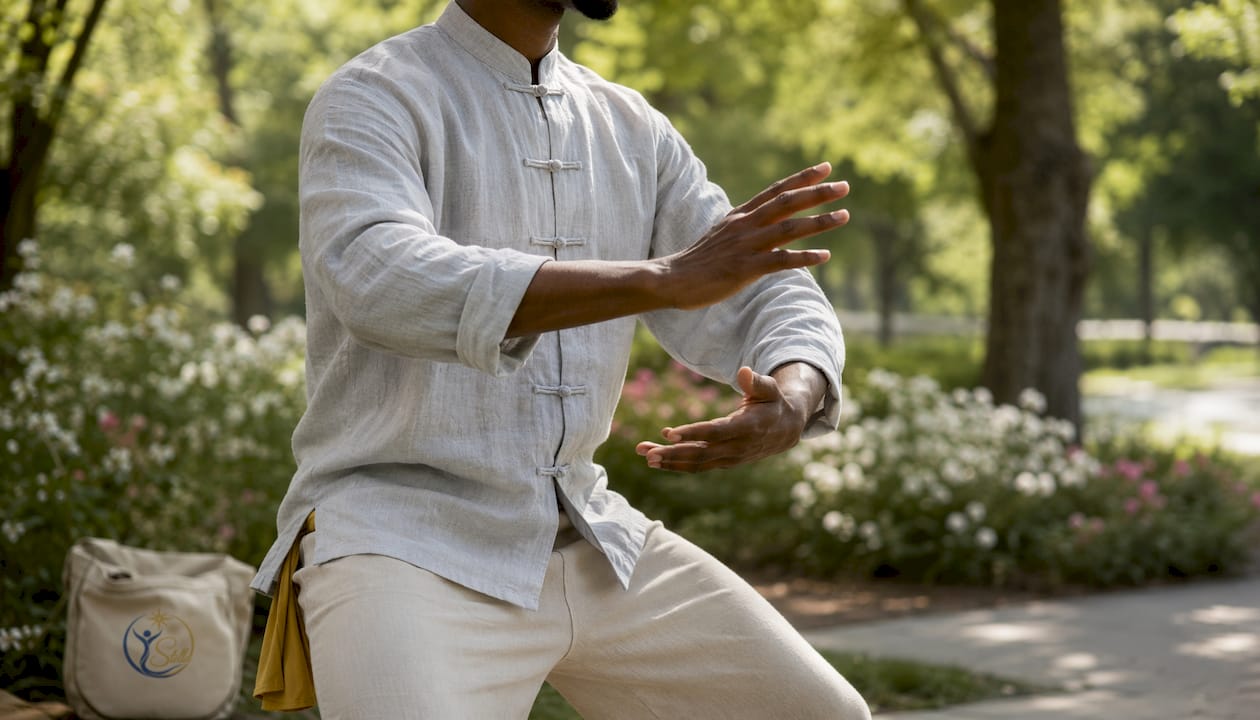
Instructors at Qigongstar hold certifications from the White Tiger Qigong School and Yoga Alliance, ensuring that what you learn reflects authentic lineage and professional teaching standards.
Pro Tip: Before each session, set a breath intention. Simply deciding "I am breathing to calm my nervous system" shifts your attention inward and deepens the parasympathetic response from the very first breath.
What the clinical evidence says about breathwork for stress and digestion
The science behind slow breathing is specific and encouraging. A 6-week slow, deep breathing intervention in patients with constipation-predominant IBS used a protocol of 6 breath cycles per minute, with a 4-second inhale and 6-second exhale, practiced for 30 minutes, 5 days per week. By week 6, participants showed significant improvements in IBS symptom severity scores, stool consistency, and bowel movement frequency, alongside measurably enhanced vagal activity via heart rate variability analysis.
Statistic to know: That same IBS-C trial documented significantly higher corrected high-frequency heart rate variability in the breathing group at both week 3 and week 6 (p < 0.001), a direct marker of improved vagal tone.
For anxiety, paced breathing at 6 breaths per minute for just 7 minutes before outpatient gastrointestinal procedures significantly reduced anxiety and lowered physiological stress markers including heart rate and blood pressure. Seven minutes. That is the accessible end of what breath training can do.
Integrating guided breathing with other therapeutic approaches also shows promise. A 2025 pilot study found that combining breathwork with hypnotherapy produced greater digestive symptom relief than either approach alone, particularly for patients with higher baseline symptoms. For those exploring holistic approaches to IBS relief, this kind of integrative layering reflects where the evidence is pointing.
The underlying mechanism across all these findings is vagal tone. Slow, rhythmic breathing stimulates the vagus nerve, which governs the parasympathetic "rest and digest" state. When vagal tone improves, digestion eases, stress responses quiet, and mood stabilizes.
How to practice breathwork safely and build lasting benefits
Safe, effective breathwork starts with one principle: slow is sustainable. Slow, diaphragmatic breathing is the standard first-line approach for nervous system regulation, particularly for anyone navigating stress, anxiety, or trauma recovery, supported by cognitive-behavioral therapy principles that emphasize breathwork for neural retraining. It is gentle enough to begin today and powerful enough to produce measurable change over weeks.
Practical guidelines for building a safe, consistent practice:
- Start with 5–10 minutes daily of abdominal breathing before expanding session length
- Prioritize nasal breathing to filter, warm, and slow the breath naturally
- Coordinate breath with movement from the first session to build interoceptive awareness
- Track your practice with a simple log to maintain the consistency that neural retraining requires
- Progress gradually over 4–6 weeks before adding more complex techniques like reverse breathing
Qigong breathwork fits naturally into a morning routine, a midday reset, or an evening wind-down. The Five Animal Qigong digestion sequence is particularly well-suited to a post-meal practice, using gentle movement and breath to support digestive motility. For those interested in broader mind-body medicine at home, pairing breathwork with simple qigong movement creates a complete, self-sustaining wellness ritual.
Compared to more intense styles like holotropic or rebirthing breathwork, qigong breath regulation carries a lower risk profile. It does not induce hyperventilation or altered states, making it appropriate for a wider range of people, including those new to breathwork entirely.
Pro Tip: If you feel lightheaded or anxious during any breathing exercise, return immediately to your natural breath. Lightheadedness signals you are breathing too fast or too deeply. Slow down, soften the effort, and let the breath find its own gentle rhythm.
Who should approach breathwork with extra care
Most people can begin slow, diaphragmatic breathwork without concern. A few situations call for more caution or professional guidance before starting.
- PTSD and trauma history: Fast, intense breathing techniques can trigger unwanted psychological responses in individuals with PTSD or anxiety. Slow, gentle styles like qigong breathwork are far safer, but even these are best introduced gradually with a qualified instructor.
- Cardiovascular conditions: Anyone with a history of heart arrhythmia, uncontrolled hypertension, or recent cardiac events should consult their physician before beginning any structured breathwork program.
- Pregnancy: Certain breath-holding or pressure-building techniques, including some forms of reverse breathing, are not recommended during pregnancy. Gentle abdominal breathing remains generally safe, but always check with your care provider.
- Severe respiratory conditions: Those with active asthma flares, COPD, or other acute respiratory issues should work with a healthcare provider to adapt any breathing practice appropriately.
- Epilepsy: Hyperventilation-style techniques carry seizure risk for those with epilepsy and should be avoided entirely.
The gentle, movement-integrated nature of qigong breathwork places it among the most accessible and low-risk breathing practices available. Still, listening to your body is always the wisest guide.
Qigongstar brings integrative qigong breathwork to you, wherever you are
Qigongstar offers something specific: structured, expert-led qigong breathwork you can practice from home, on your schedule, without needing a studio or prior experience. The courses in White Tiger Qigong and Five Animal Qigong are built around the exact breath regulation techniques covered in this article, taught by instructors certified through the White Tiger Qigong School and Yoga Alliance. You get the lineage, the clinical grounding, and the gentle guidance of a real teacher, all in one place.
If stress, digestive discomfort, or a restless nervous system brought you here, these courses are designed for exactly that. Explore the full range of online qigong classes at Qigongstar and find the practice that feels right for where you are today.
Key Takeaways
Slow, phase-locked qigong breathwork practiced consistently over six or more weeks produces measurable improvements in stress, vagal tone, and digestive health.
| Point | Details |
|---|---|
| Top integrative styles | White Tiger Qigong and Five Animal Qigong use slow, coordinated breath and movement for stress and digestion. |
| Clinical IBS evidence | A 6-week slow breathing protocol at 6 breaths per minute significantly improved IBS-C symptoms and vagal activity. |
| Mental health effect sizes | A meta-analysis of 12 RCTs found effect sizes of g = -0.35 for stress, -0.32 for anxiety, and -0.40 for depression. |
| Safety first | Slow, diaphragmatic breathing is the safest entry point; fast techniques require caution for those with PTSD or anxiety. |
| Qigongstar's offering | Certified instructors teach White Tiger and Five Animal Qigong online, with courses built for stress relief and digestive wellness. |