
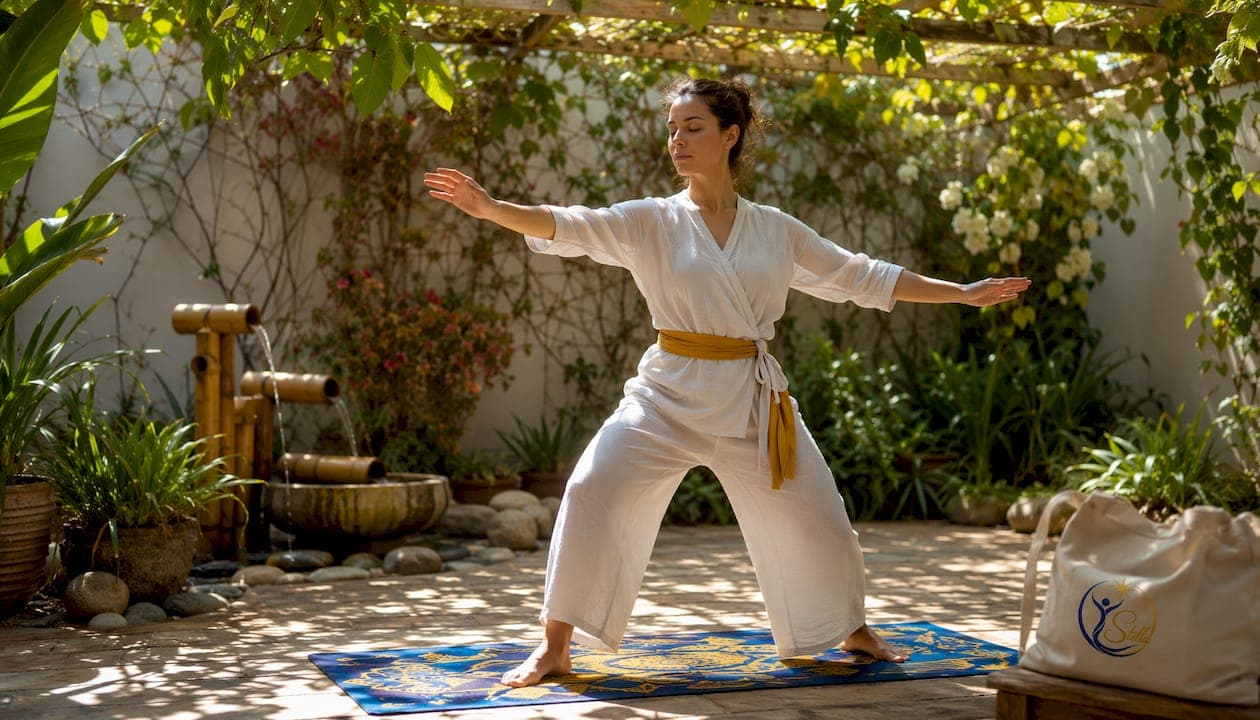
The most effective natural remedies for stress without medication are daily movement, breathwork, consistent sleep, social connection, and selective herbal supports. Of these, a short qigong-based routine combining gentle movement with regulated breathing offers the fastest, most sustainable path to calming your nervous system. A 2023 randomized controlled trial of 208 adults found mindfulness-based stress reduction comparable to a common prescription anxiety medication in short-term outcomes. You can start right now with a 5–10 minute guided session on Qigongstar.
The core non-drug remedies, ranked by impact:
- Qigong or mindful movement (10–15 minutes daily): activates parasympathetic response, lowers cortisol, and improves heart-rate variability (HRV)
- Diaphragmatic breathwork (3–5 minutes): shifts autonomic balance toward calm within minutes
- Sleep hygiene: consistent bedtime, no screens 30 minutes before sleep, a brief wind-down ritual
- Social connection: even a short conversation reduces cortisol
- Herbal teas (chamomile, lemon balm, lavender): gentle, low-risk daily ritual with modest clinical support
- Nutrition rhythm: regular meals, reduced caffeine after noon, less alcohol
Pro Tip: Before reading further, try this: sit comfortably, place one hand on your belly, inhale slowly for 4 counts, exhale for 6. Repeat three times. That single exhale-prolonged breath is already calming your vagus nerve.
Table of Contents
- How do you build a daily routine that prevents stress from building up?
- What is qigong, and which beginner routines calm stress most effectively?
- Which breath techniques pair best with qigong movement?
- What other natural supports meaningfully reduce stress?
- How long before you notice benefits, and what should you track?
- When should you seek clinical care instead of natural remedies?
- How do you choose a qigong teacher or online course?
- Key Takeaways
- Why movement-first approaches to stress relief actually work
- Qigongstar offers guided routines, live coaching, and a beginner course
- Useful sources and further reading
How do you build a daily routine that prevents stress from building up?
The difference between people who manage stress well and those who don't usually isn't willpower. It's structure. Proactive daily movement and breathwork build more durable nervous-system resilience than stress techniques you only reach for on bad days.
Keep it minimal. Aim for 5–15 minutes total, split across two or three anchors in your day:
- Morning (2–3 min): one grounding breath cycle before coffee, or a short shoulder-roll qigong warm-up
- Midday (5 min): diaphragmatic breathing at your desk, or a brief walk with mindful attention to your steps
- Evening (5–7 min): a gentle qigong sequence or a 60–90 second body scan before bed
Tie each practice to something you already do, not to a separate "wellness block" you have to schedule. After your morning coffee. Before you open your laptop. Right after you brush your teeth. Tracking minutes rather than perfection keeps you consistent. A daily qigong routine that you actually do beats an ambitious one you skip.
Pro Tip: Build a "bad-day toolkit" now, before you need it: a single 3-step routine (1 minute grounding breath, 3 minutes slow shoulder rolls, 1 minute closing exhale) that you can do even when energy is low. Pre-deciding removes the friction that causes dropout.
What is qigong, and which beginner routines calm stress most effectively?
Qigong is a Chinese medicine practice that pairs slow, intentional movement with regulated breathing to shift your body out of fight-or-flight. The mechanism is straightforward: movement combined with breath increases parasympathetic activity, reduces sympathetic arousal, and improves HRV. You don't need flexibility or prior experience.
Five Animal Qigong
Five Animal Qigong draws on five archetypal animal movements (tiger, deer, bear, monkey, crane) to mobilize the whole body gently and playfully. Each animal targets a different organ system and energy channel. For stress, the bear and crane sequences are especially soothing: slow, grounding, and easy on the joints. Sessions run 10–15 minutes and feel more like a moving meditation than exercise.
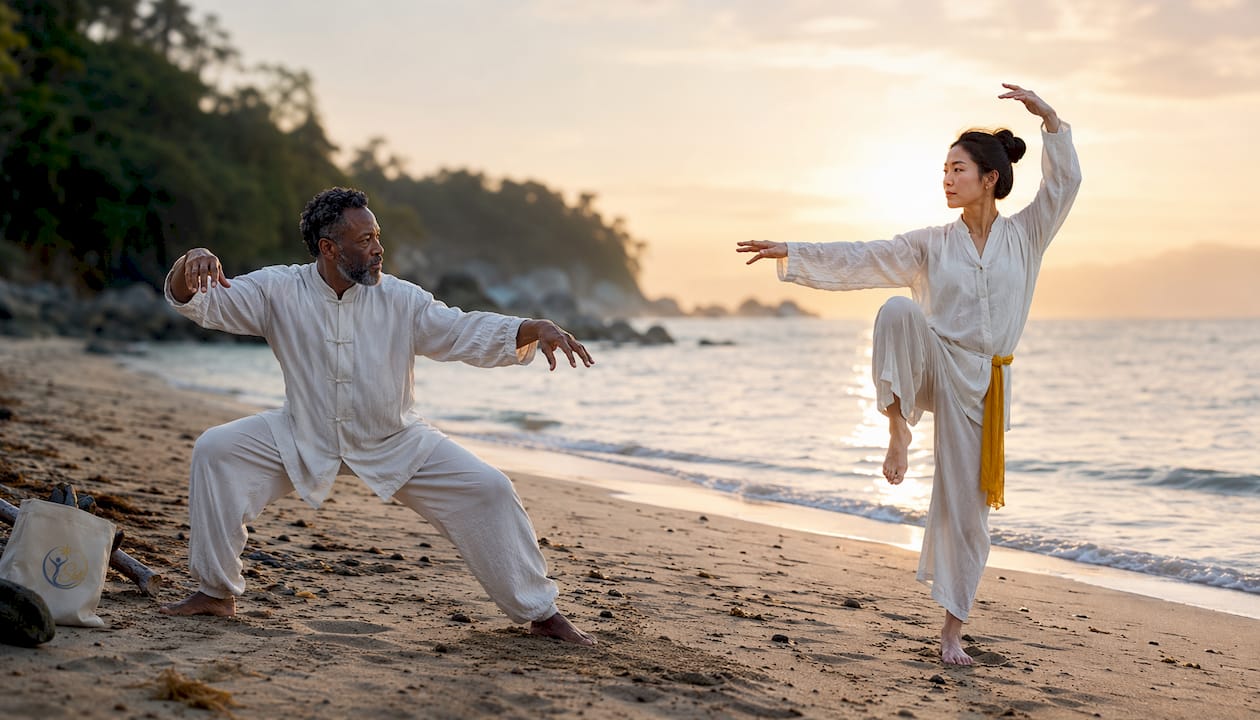
White Tiger Qigong
White Tiger Qigong focuses on releasing tension held in the shoulders, neck, jaw, and hips. These are exactly the areas where stress accumulates. The sequences are grounding and rhythmic, making them well-suited to people who feel wired or anxious. Experts advise adopting gentle movement routines proactively rather than waiting for a crisis point.
Common beginner pitfall: copying advanced postures immediately. The real benefit comes from breath-body connection and daily consistency, not technical precision. Seated alternatives work just as well for anyone with mobility limits. Shorter reps (4–6 instead of 8–12) are a smart starting point.
Both routines are available through Qigongstar, taught by Stella, whose instructor certifications include the White Tiger Qigong School and Yoga Alliance. On-demand and live options make it easy to practice at your own pace.
Pro Tip: Use this micro-practice structure: (1) 1–2 minutes grounding breath, (2) 5–10 minutes slow qigong focused on shoulders, jaw, and hips, (3) 1–2 minutes closing exhale. This three-part shape is used in clinical and community programs because it works at any energy level.
Which breath techniques pair best with qigong movement?
Breath regulates autonomic balance. These three techniques are safe, replicable, and pair directly with qigong sequences. Harvard Health lists diaphragmatic breathing, body scan, and visualization among the most effective relaxation tools for anxiety.
- Diaphragmatic breathing: Sit or lie down. Place one hand on your belly. Inhale through your nose for 4 counts, letting your belly rise. Exhale through your mouth for 6 counts, letting your belly fall. Repeat 5–10 cycles.
- Box breathing: Inhale for 4 counts, hold for 4, exhale for 4, hold for 4. Repeat 4–6 rounds. Useful before a stressful event or at midday.
- Coherent breathing (4-6 exhale prolongation): Inhale for 4 counts, exhale for 6–8. The extended exhale activates the vagus nerve directly. This is the easiest technique to layer into any qigong sequence.
Timing presets:
| Session length | Best use |
|---|---|
| 1–3 minutes (mini) | Desk break, pre-meeting, or any moment of acute tension |
| 5 minutes (short) | Morning anchor or midday reset |
| 10–15 minutes (full) | Paired with a complete qigong sequence |
Pairing tip: Coherent breathing pairs naturally with Five Animal Qigong's flowing transitions. Box breathing suits the more structured, grounding sequences in White Tiger Qigong. Explore more breathwork styles for qigong to find what feels right for you.
Caution: Stop immediately if you feel dizzy, lightheaded, or faint. Avoid breath retention (box breathing) if you have a respiratory condition. Consult your doctor before beginning any breathwork practice if you are pregnant or have a heart condition.
What other natural supports meaningfully reduce stress?
Movement and breath are the foundation, but a few other supports make a real difference when layered in consistently.
- Sleep: A regular bedtime and a brief wind-down ritual (gentle stretching, no screens, dim light) reduce cortisol and improve next-day stress tolerance.
- Low-to-moderate exercise: Walking, swimming, or cycling 20–30 minutes most days supports mood regulation without overtaxing the nervous system.
- Social contact: A short, genuine conversation with someone you trust lowers cortisol. Even a brief check-in counts.
- Caffeine and alcohol: Reducing caffeine after noon and limiting alcohol noticeably reduces baseline anxiety for most people within a week.
- Herbal teas: Chamomile, lemon balm, and lavender tea are low-risk daily rituals with modest clinical support. Mayo Clinic notes that chamomile is likely safe for short-term use, though it may raise bleeding risk with blood thinners. Always consult a clinician before adding herbal supplements if you take prescription medications.
Yoga, tai chi, and qigong are all associated with reduced sympathetic arousal in multiple studies, making any of these a sound adjunctive tool alongside the lifestyle changes above.
Statistic callout: A 2023 RCT of 208 adults found mindfulness-based stress reduction noninferior to escitalopram for anxiety outcomes, supporting non-drug approaches as clinically meaningful.
How long before you notice benefits, and what should you track?
Many people feel calmer immediately after a single session. Measurable improvements in sleep, digestion, and mood typically emerge after 2–8 weeks of daily micro-practice. Short, consistent sessions of 10–15 minutes tend to outperform sporadic longer ones for nervous-system regulation.
| Timeline | What to expect |
|---|---|
| Same day | Reduced tension, slower heart rate, calmer mood after one session |
| 1–4 weeks | Better sleep onset, lower morning anxiety, improved digestion |
| 4–12 weeks | Sustained HRV improvement, reduced reactivity, stronger resilience baseline |
Simple tracking checklist (copy into a phone note or paper tracker):
- Minutes practiced today
- Stress rating before and after (0–10 scale)
- Sleep quality last night (1–5 scale)
- Digestion notes (optional, especially relevant for gut-stress connection)
- Resting pulse or HRV reading (optional, if you have a wearable)
Tracking these simple markers creates actionable feedback that sustains practice adherence over time. You don't need precision. You need a pattern.
When should you seek clinical care instead of natural remedies?
Natural remedies can meaningfully reduce stress symptoms for many people. They are not a substitute for urgent care or specialized psychiatric treatment.
Seek immediate medical attention if you experience:
- Chest pain or difficulty breathing
- Suicidal or self-harm thoughts
- Progressive inability to function at work or at home
- Panic attacks that are worsening in frequency or intensity
Common contraindications to note:
- Pregnancy: modify or avoid certain breathwork and deep inversions; consult your midwife or OB
- Respiratory conditions: avoid breath retention techniques without medical clearance
- Herb-drug interactions: chamomile with blood thinners, valerian with sedatives, kava (FDA-warned for liver toxicity) — always disclose supplements to your prescriber
If anxiety is persistent, severe, or interfering with daily life, consult your primary care provider or a mental health specialist. Cognitive behavioral therapy (CBT) and medication are evidence-based options that work well alongside natural practices, not instead of them.
This article is general information, not medical advice. Confirm any changes to your care plan with a qualified clinician.
How do you choose a qigong teacher or online course?
Choose a beginner-friendly teacher who emphasizes breath-body connection, safe modifications, and clear sequencing. Certification matters. Then use this checklist to evaluate any class or course:
- Instructor credentials: Look for White Tiger Qigong School or Yoga Alliance certification as baseline quality signals.
- Class format: Live classes offer real-time correction; on-demand courses offer flexibility. Both work well for beginners.
- Modification options: A good teacher always offers seated or lower-intensity alternatives.
- Class length: 10–30 minutes is ideal for beginners. Avoid committing to 60-minute sessions until you've built a consistent shorter practice.
- Refund or trial policy: A reputable course offers a sample class or a clear refund window.
Typical US pricing ranges: single live group class ($15–$30), multi-week online course ($50–$200), private session ($60–$150). Qigongstar offers both live and on-demand options across these formats, with Five Animal and White Tiger Qigong courses designed specifically for beginners.
Pro Tip: Try one guided live class or a short on-demand routine before committing to a longer program. One session tells you more about fit than any course description.
Key Takeaways
Daily movement paired with breathwork is the most reliable natural path to stress relief without medication, and 10–15 minutes of consistent qigong practice builds measurable nervous-system resilience within weeks.
| Point | Details |
|---|---|
| Start with breath and movement | Qigong-style routines activate the parasympathetic system faster than most other non-drug approaches. |
| Consistency beats intensity | Short daily sessions of 10–15 minutes outperform occasional longer ones for nervous-system regulation. |
| Track three simple metrics | Minutes practiced, stress rating (0–10), and sleep quality reveal progress within 1–4 weeks. |
| Layer in lifestyle supports | Sleep hygiene, reduced caffeine, social contact, and herbal teas amplify the benefits of movement practice. |
| Qigongstar for guided practice | Five Animal and White Tiger Qigong courses on Qigongstar offer beginner-friendly, certified instruction online and in person. |
Why movement-first approaches to stress relief actually work
Most stress-relief advice focuses on what to think differently. What I've seen, teaching qigong through Qigongstar, is that the body leads the mind far more reliably than the other way around. When you move slowly and breathe with intention, the nervous system responds before the analytical mind has a chance to argue. That's not philosophy. It's physiology.
The tendency is to reach for a technique only when things feel unbearable. But the people who build real resilience practice when they're already calm, so the nervous system has a reference point to return to. Five Animal Qigong and White Tiger Qigong are particularly well-suited to this because they're gentle enough to do on low-energy days and structured enough to follow without thinking. Certified through the White Tiger Qigong School and Yoga Alliance, the work at Qigongstar is grounded in both traditional Chinese medicine and contemporary evidence on mind-body practice.
Qigongstar offers guided routines, live coaching, and a beginner course
If you're ready to move beyond reading about stress relief and actually feel the difference, Qigongstar gives you a clear, structured place to start. The Five Animal Qigong course is built for beginners: gentle sequences, breath-led pacing, and modifications for every level. The White Tiger Qigong program targets the shoulders, neck, and hips where stress accumulates most. Both are available on demand, so you practice on your schedule, not someone else's.
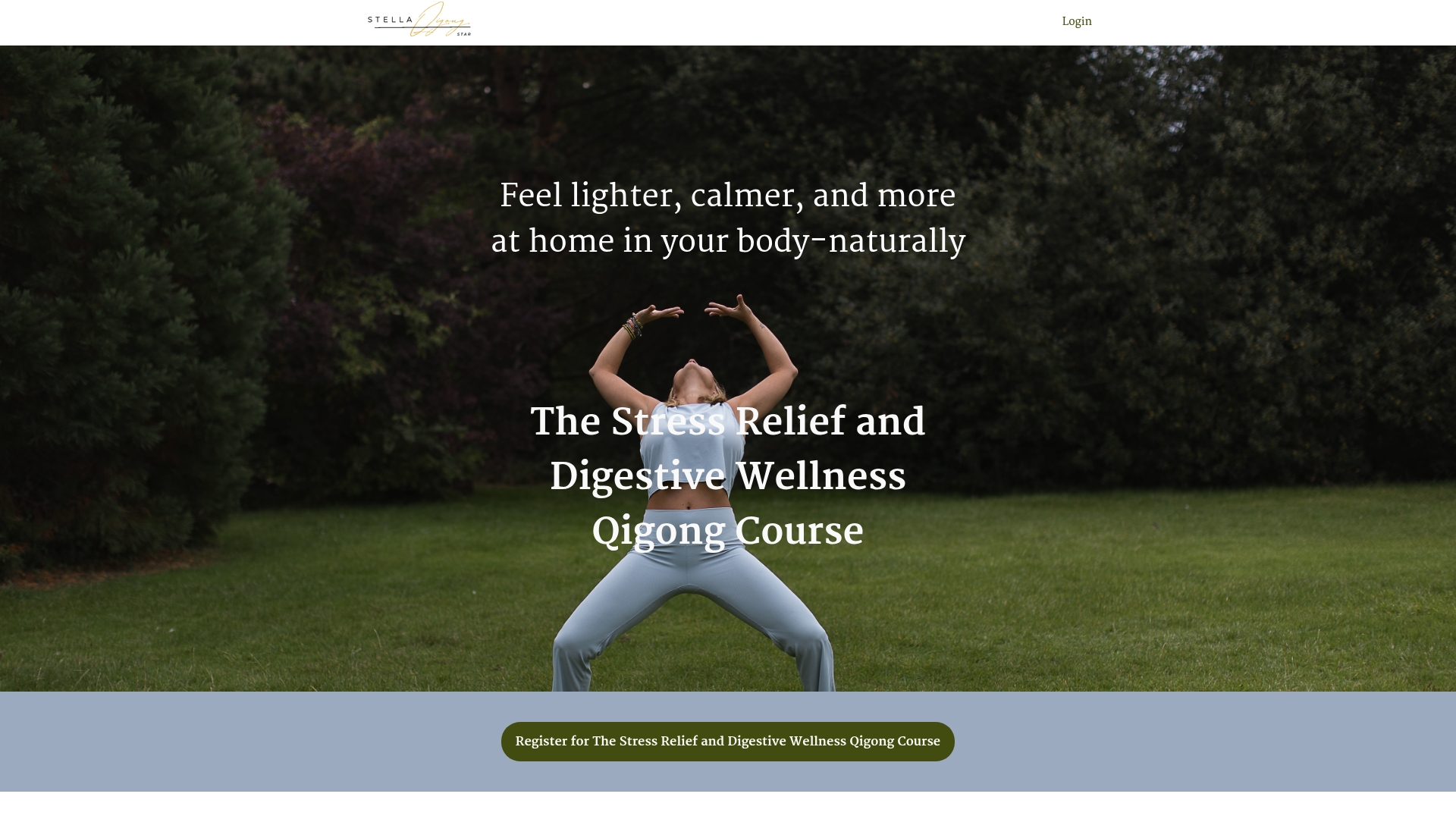
Stella's instruction is certified through the White Tiger Qigong School and Yoga Alliance. Live virtual sessions and private coaching are also available for those who want real-time guidance. In your first week, expect a simple 10–15 minute daily routine, clear breath cues, and a noticeable shift in how your body holds tension. Browse the full range of online qigong classes or book a private session to begin.
Useful sources and further reading
- NCCIH: Mind and Body Approaches for Stress and Anxiety — Clinical summary of evidence for mindfulness, meditation, and movement-based approaches, including the 208-participant MBSR trial.
- Harvard Health: Treating Anxiety Without Medication — Practical overview of relaxation techniques (diaphragmatic breathing, body scan, biofeedback) with safety guidance.
- Mayo Clinic: Herbal Treatment for Anxiety — Authoritative safety notes on chamomile, valerian, lavender, kava, and lemon balm, including contraindications.
- PMC: Integrative Health Perspectives on Stress Resilience — Supports the proactive daily rhythm approach over reactive coping.
- PMC: Reducing Stress with Yoga — Systematic Review — Multimodal biosignal evidence for parasympathetic activation through yoga, tai chi, and qigong.
- UnityPoint Health: Managing Anxiety Without Medication — Clinician-reviewed guidance on gentle movement and proactive routines.
- Medical News Today: 10 Natural Remedies for Anxiety and Stress — Consumer-facing overview of exercise, meditation, aromatherapy, and social support with usage notes.
- Providence Blog: Natural Remedies for Stress and Anxiety — Practical guidance including the bad-day toolkit concept.
- Qigongstar: 5 Animal Qigong Course — Beginner-friendly on-demand course with breath-led sequences for stress relief.
- Qigongstar Blog: Build Stress Resilience With Qigong — Practical scheduling and resilience-building strategies for daily practice.