

Qigong is a meditative movement practice rooted in Traditional Chinese Medicine that combines gentle physical movement, breath regulation, and mindfulness to support digestive wellness and calm IBS symptoms. Known formally as qì gōng (气功), it has drawn growing attention as one of the more promising alternative therapies for IBS precisely because it works on the gut-brain axis rather than targeting symptoms in isolation. While dedicated clinical trials on qigong for IBS remain limited as of 2026, a body of evidence from related meditative movement practices, including yoga and tai chi, points to real and meaningful benefits. A 2026 Gastroenterology & Hepatology integrative review confirms that meditative movement improves gut symptoms and mood, making qigong a credible and gentle place to start.
What does the science say about qigong for IBS?
The honest answer is that qigong-specific, high-quality clinical trials for IBS are still scarce. A 2026 Gastroenterology & Hepatology review explicitly identifies this research gap, noting the need for standardized dosing and population-specific studies before firm conclusions can be drawn. That gap does not mean the practice lacks value. It means the science is catching up to what practitioners have observed for centuries.
The stronger evidence comes from qigong's closest relatives. A 2026 systematic review found that yoga improves IBS symptoms and psychological wellbeing compared to controls, though results vary by individual. A BMJ Open clinical trial protocol also demonstrated that 8-week virtual yoga programs are feasible and effective for reducing IBS severity and improving quality of life. Because qigong shares yoga's core mechanisms, including breath regulation, mindful movement, and nervous system calming, researchers treat these findings as meaningful proxies for qigong's potential.
The primary mechanism at work is stress reduction. Harvard Health confirms that mind-body approaches reduce sympathetic nervous activity and improve gut-brain axis regulation, which is central to IBS symptom modulation. When your nervous system shifts out of fight-or-flight mode, gut motility normalizes, visceral sensitivity decreases, and the cycle of pain and anxiety begins to loosen its grip.
Key mechanisms supported by current evidence include:
- Gut-brain axis modulation: Gentle movement and breath work calm the vagus nerve, which directly regulates digestive function.
- Autonomic nervous system balance: Qigong shifts the body from sympathetic dominance toward parasympathetic rest, reducing gut hypersensitivity.
- Stress hormone reduction: Regular practice lowers cortisol, a known trigger for IBS flare-ups.
- Mood and psychological wellbeing: Meditative movement addresses the anxiety and depression that frequently accompany IBS.
Pro Tip: Track your symptoms in a simple journal for at least four to six weeks after starting qigong. Noting pain levels, bloating, mood, and sleep quality gives you real data to assess whether the practice is working for your specific pattern.
The key research question, as the 2026 Gastroenterology & Hepatology review frames it, is not whether movement helps IBS but which movement components and doses are optimal for different patients. That framing is empowering. It means your job is to experiment thoughtfully, not wait for a universal prescription.
How does qigong differ from yoga and tai chi for gut health?
Understanding what makes qigong distinct helps you choose the practice that fits your body and your symptoms. All three are meditative movement therapies, but they work differently and feel different in practice.
| Practice | Core Focus | Movement Style | Digestive Health Angle |
|---|---|---|---|
| Qigong | Qi energy circulation and organ nourishment | Gentle, repetitive, flowing sequences with self-massage | Abdominal massage, energy channel stimulation, organ-specific exercises |
| Yoga | Posture alignment, flexibility, and breath control | Static and dynamic poses held with intention | Twisting poses, diaphragmatic breathing, parasympathetic activation |
| Tai chi | Slow martial art emphasizing balance and energy flow | Continuous, choreographed movement sequences | Stress reduction, nervous system regulation, gentle cardiovascular activation |
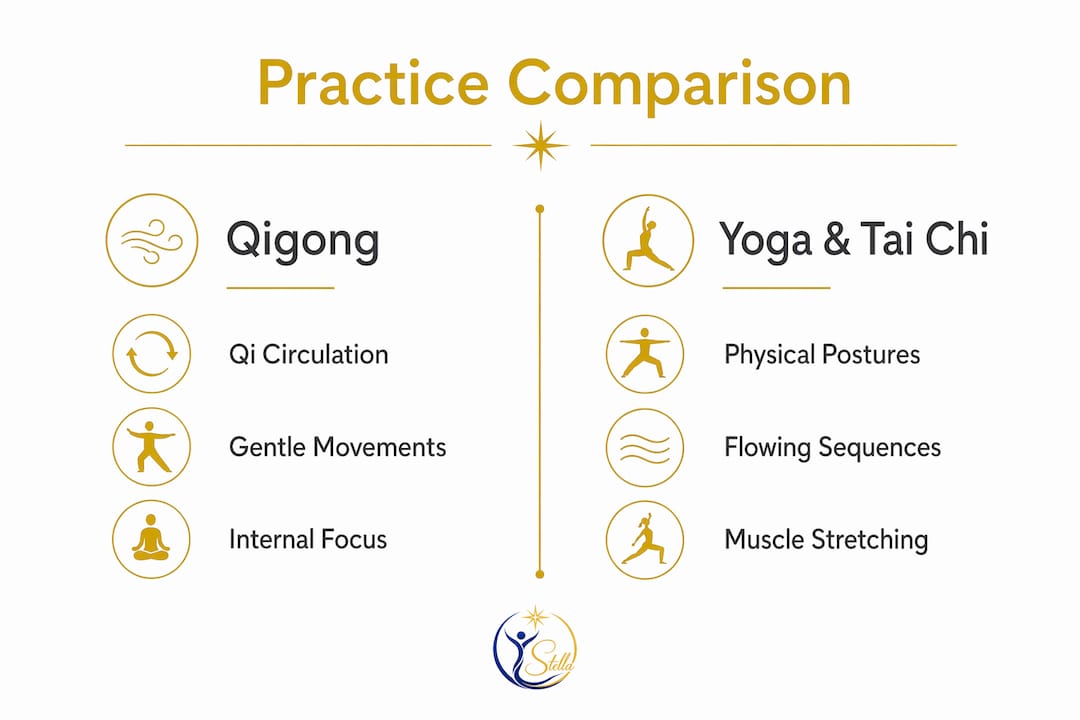
Qigong's most distinctive feature for digestive health is its direct focus on the internal organs. Qigong techniques include abdominal massage and energy channel stimulation designed to enhance the function of the stomach, spleen, and intestines. You are not just moving your body through space. You are intentionally directing qi toward the organs that need support. This is a meaningful difference from yoga's posture-first approach or tai chi's martial art lineage.
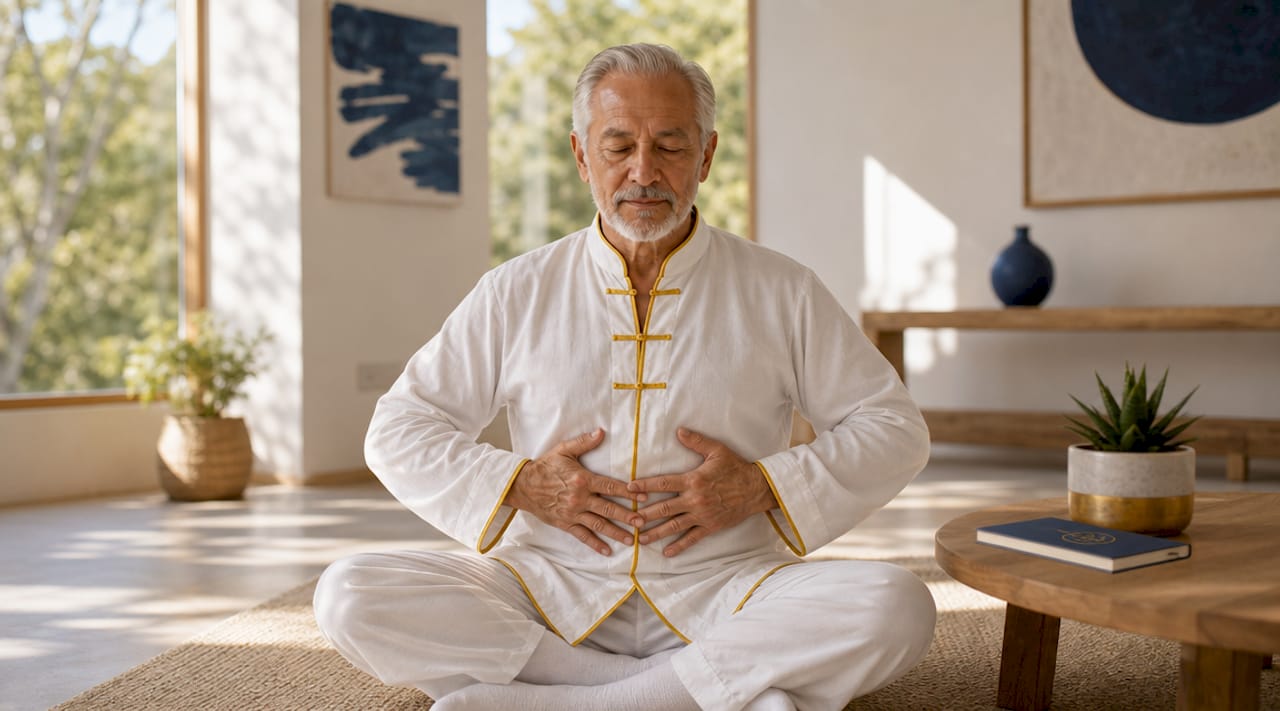
Qigong also tends to be more accessible for people in the middle of an IBS flare. The movements are typically performed standing or seated, require no flexibility, and can be scaled down to the gentlest possible range of motion. Yoga's floor-based poses and tai chi's longer choreographed sequences can feel demanding when your gut is already unsettled.
Pro Tip: If you find yoga's inversions or deep twists aggravating during flare-ups, qigong's upright, gentle sequences are worth trying as a gentler entry point into meditative movement for digestive health.
How to safely start qigong practice when you have IBS
Starting a new practice when your gut is unpredictable requires a thoughtful approach. These steps will help you build a sustainable routine without overwhelming your system.
-
Begin with beginner-level digestive qigong routines. Look for sequences specifically designed for gut health rather than general fitness qigong. Qigongstar's online qigong classes include programs tailored for stress relief and digestive wellness, which is exactly the right starting point.
-
Prioritize consistency over intensity. Fifteen minutes of gentle practice every day produces more benefit than an hour-long session once a week. The nervous system responds to regularity, not effort.
-
Focus on breath awareness throughout. Slow, diaphragmatic breathing is the engine of qigong's calming effect. If your mind wanders, return to the breath. The breath is always your anchor.
-
Practice at a calm time of day. Many people with IBS find that mornings before eating or evenings after digestion has settled work best. Avoid practicing immediately after a large meal.
-
Modify or skip movements that increase discomfort. During a flare-up, reduce the range of motion, slow down further, or simply sit and breathe. Qigong adapts to where you are, not where you think you should be.
-
Consult your healthcare provider before starting if your IBS is severe or unstable. Qigong is gentle, but your doctor or gastroenterologist should know about any new practice you are adding to your care plan, particularly if you are managing overlapping conditions.
-
Track your response over multiple weeks. Practitioners recommend consistent multi-week routines with careful observation of gut and mood symptoms before evaluating whether the practice is helping.
The structure of an 8-week commitment mirrors what clinical research uses for meditative movement interventions. Give yourself at least that window before drawing conclusions.
What mindfulness techniques work best alongside qigong for IBS?
Qigong works best when it sits inside a broader mind-body approach to IBS care. Several complementary practices amplify its effects by targeting the same gut-brain axis from different angles.
Mindfulness and deep breathing calm the nervous system and regulate gut function, directly supporting what qigong initiates during practice. Extending that calm into the rest of your day through a brief seated meditation or a body scan before sleep compounds the benefit. Think of qigong as the active practice and mindfulness meditation as the quiet integration that follows.
Cognitive behavioral therapy (CBT) and gut-directed hypnotherapy are recognized as first-line psychological adjuncts for IBS. Both address the thought patterns and conditioned fear responses that keep the gut-brain axis in a state of alarm. Pairing either with qigong creates a genuinely layered approach to symptom management.
Holistic practices that pair well with qigong for IBS include:
- Diaphragmatic breathing exercises practiced outside of qigong sessions to reinforce parasympathetic tone throughout the day.
- Progressive muscle relaxation to release deep-held tension in the abdomen and lower back, areas that often hold IBS-related stress.
- Dietary mindfulness, including slow eating, chewing thoroughly, and noticing how specific foods affect your symptoms, which complements the body awareness qigong cultivates.
- Stress journaling to identify triggers that precede flare-ups, giving you early warning signals to respond to with qigong or breath work.
- Gut-directed hypnotherapy via apps like Nerva or with a trained therapist, which has strong clinical evidence for IBS symptom reduction.
Pro Tip: Building an integrated wellness routine does not mean doing everything at once. Start with qigong and one complementary practice. Add others gradually as each becomes a natural part of your day.
Key takeaways
Qigong works for IBS by calming the gut-brain axis through gentle movement, breath regulation, and mindfulness, with the strongest evidence coming from related meditative movement practices like yoga and tai chi.
| Point | Details |
|---|---|
| Evidence is promising but evolving | A 2026 Gastroenterology & Hepatology review supports meditative movement for IBS but notes qigong-specific trials are still limited. |
| Qigong targets the gut directly | Abdominal massage and energy channel stimulation make qigong uniquely suited to digestive health compared to yoga or tai chi. |
| Consistency matters more than intensity | Daily 15-minute sessions over six to eight weeks produce more meaningful symptom changes than occasional longer practices. |
| Complement with mindfulness and CBT | Pairing qigong with breathing exercises, meditation, or gut-directed hypnotherapy amplifies its effects on the gut-brain axis. |
| Consult your care team | Always inform your healthcare provider before adding qigong or any new practice to your IBS management plan. |
What I've learned from guiding people through qigong for gut healing
I want to be honest with you about something most articles skip. Qigong is not a cure for IBS, and anyone who tells you otherwise is overselling it. What I have seen, again and again, is something quieter and more real: a gradual softening. People who come to practice exhausted by their symptoms, frustrated by the unpredictability of their gut, begin to notice small shifts after a few weeks. Less urgency. Calmer mornings. A little more space between the anxiety and the reaction.
The most common misconception I encounter is the expectation of immediate results. IBS has usually been building for months or years before someone finds qigong. The nervous system does not reset in a week. Patience is not just a virtue here. It is the practice itself.
What I find most meaningful is watching people reconnect with their bodies in a non-threatening way. IBS can make your body feel like an enemy. Qigong gently reverses that. You start to notice what soothes you, what agitates you, and what your body is actually asking for. That self-awareness is worth more than any single technique.
My practical advice: create a small, consistent home practice space. It does not need to be elaborate. A clear corner, a mat, and ten minutes of quiet are enough to awaken your energy and begin the process of calming your gut. Combine that with medical care, not instead of it. Qigong is a partner to your treatment plan, and that partnership is where the real healing happens.
— Stella
Start your qigong practice for digestive wellness today
If you are ready to move from reading about qigong to actually feeling its effects, Qigongstar offers online courses designed specifically for stress relief and digestive health. Stella, a certified White Tiger Qigong instructor and Yoga Alliance professional, teaches beginner-friendly programs that you can access from home, at your own pace, on your own schedule.
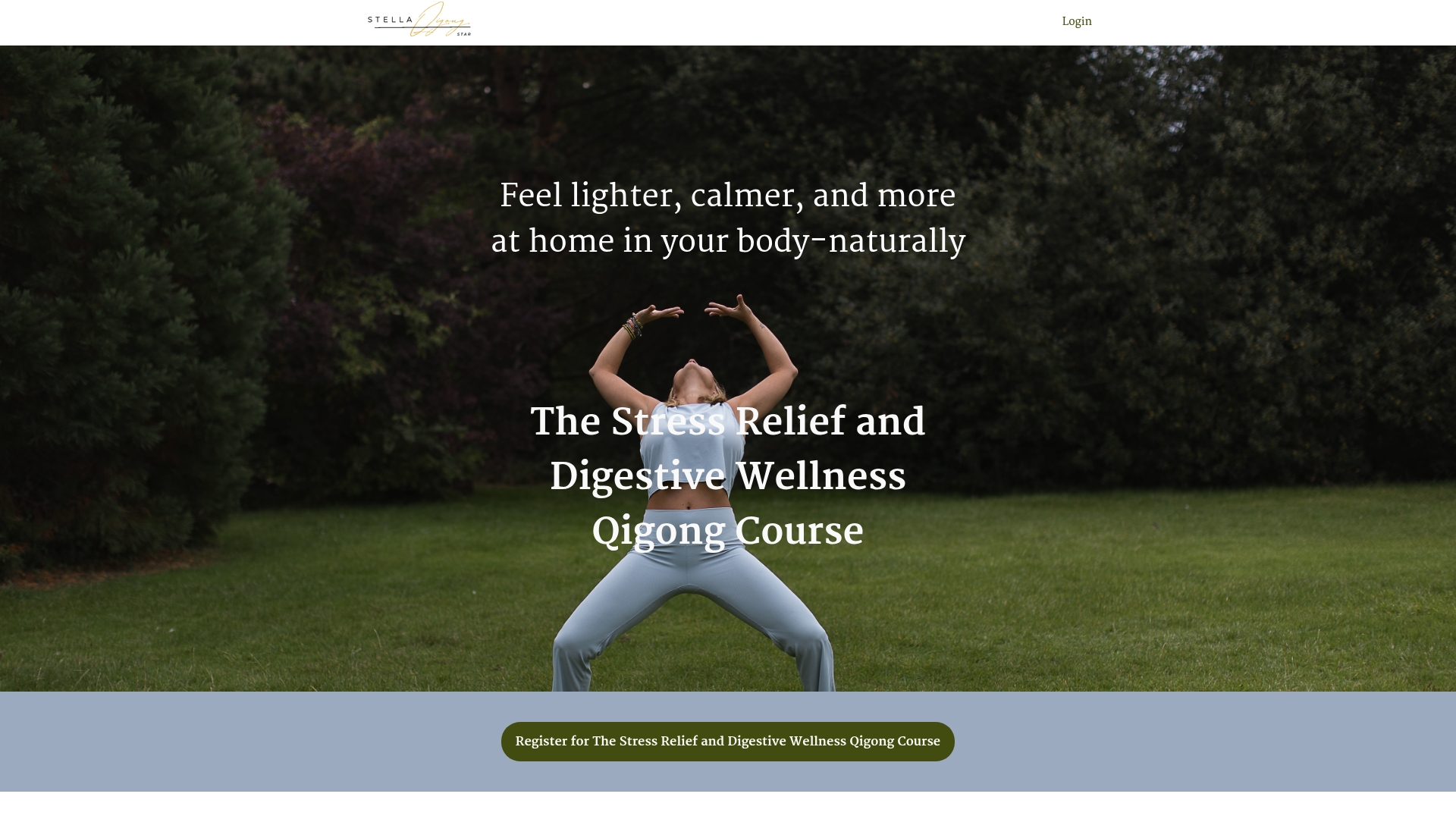
The Five Animal Qigong course is a particularly nurturing starting point, blending gentle movement sequences with breath work rooted in Chinese Medicine to soothe the nervous system and support gut function. Live sessions and on-demand video lessons mean you can practice whenever your body is ready. Explore the full range of online qigong classes and take your first gentle step toward a calmer gut and a more settled day.
FAQ
What is qigong and how does it help IBS?
Qigong is a Traditional Chinese Medicine practice combining gentle movement, breath regulation, and mindfulness to calm the nervous system and support gut-brain axis function. It helps IBS by reducing stress hormones, lowering visceral sensitivity, and improving the autonomic nervous system balance that regulates digestion.
Is there scientific evidence for qigong and IBS?
High-quality qigong-specific trials for IBS are limited as of 2026, but a Gastroenterology & Hepatology review supports meditative movement practices broadly, and systematic reviews of yoga show meaningful IBS symptom and mood improvements that researchers use as proxies for qigong's potential.
How often should I practice qigong for IBS relief?
Daily practice of 15 to 20 minutes is more effective than occasional longer sessions. Practitioners recommend maintaining a consistent routine for at least six to eight weeks while tracking gut and mood symptoms to evaluate your personal response.
Can qigong replace medical treatment for IBS?
Qigong is a complementary practice, not a replacement for medical care. It works best alongside treatments recommended by your gastroenterologist or healthcare provider, including dietary management, medication if prescribed, and psychological therapies like CBT or gut-directed hypnotherapy.
Which qigong exercises are best for gut health?
Sequences that include abdominal self-massage, diaphragmatic breathing, and gentle spinal rotation are most directly supportive of digestive function. Qigongstar's Five Animal Qigong and White Tiger Qigong programs both incorporate these elements in beginner-accessible formats.